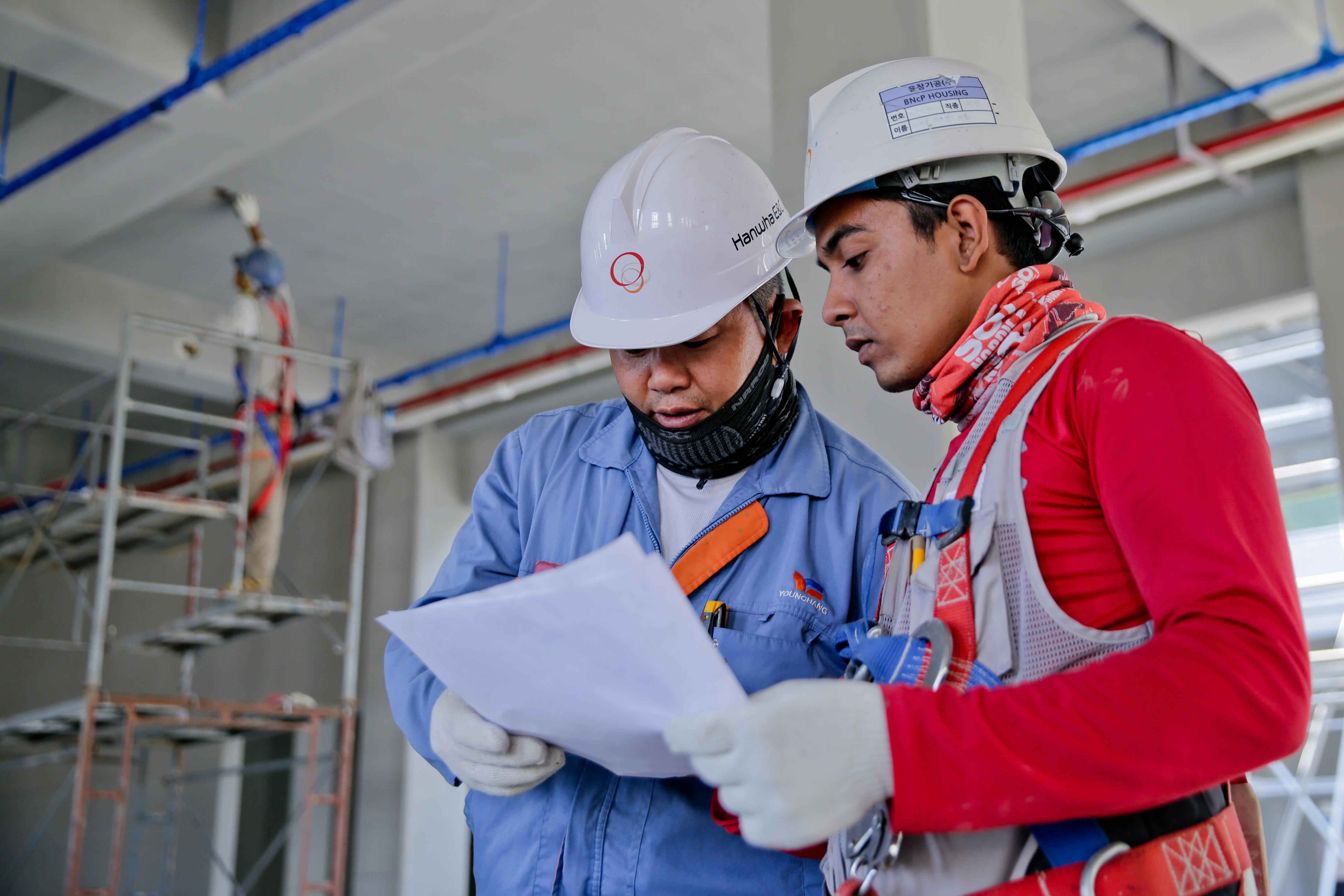
Construction is much more than the steel beams, concrete, and machinery. The man-power behind the job is what takes a construction job from finished to exceptional. Human capital is the real force behind every foundation poured and structure raised. This is a team of workers who make it happen. In an era where workforce shortages and project timelines are tighter than ever, improving morale and productivity is no longer optional. It’s a competitive advantage. A sustainable culture on site, one that values well-being, creates clarity, and shows workers that they’re not just part of a job, but part of something worth doing, is crucial in taking your construction business to the next level.
Here’s how to get it right.

Via Pexels
The Well-Being and Productivity Connection: Why It’s Real
Well-being is the bedrock of consistent performance rather than a “nice-to-have”. Experts in the field such as Will Blodgett can tell you that exhausted, underappreciated workers don’t go the extra mile if they are barely surviving. But when a crew feels supported physically and mentally, they become engaged and more productive.
Studies continue to show that happy workers are up to 13% more productive. That might not sound like much, but over the course of a project, it can be the difference between staying on track and sliding into costly delays. In an industry where delays can kill margins, morale is money.
Let’s break down how to actually cultivate that morale—on-site and beyond.
Recognise the Work. And the Worker.
Construction work is physical, demanding, and often thankless. Recognition has to go deeper than a monthly shout-out or an occasional bonus. Real recognition is specific, timely, and tied to meaningful work.
- Call out excellence on the spot. Don’t wait until the end-of-week meetings.
- Acknowledge safety-conscious behaviour. This reinforces what you want more of.
- Link performance to impact. Tell the crew how their extra effort kept the schedule on track or saved the client money.
Small gestures like acknowledgement in front of the whole team from site managers or a team lunch after a milestone can be powerful. Recognition doesn’t need to be expensive, but it needs to be authentic.
Build a Communication Culture That Works in the Field
The best-run construction sites don’t rely on top-down barking orders. They create environments where information flows both ways. Clear, respectful communication improves safety, cuts rework, and helps everyone feel involved. But clarity doesn’t mean just shouting louder.
Here’s what good communication looks like:
- Pre-shift briefings that actually inform, not overwhelm.
- Feedback loops where workers can raise concerns without fear.
- Digital tools (radios, apps, whiteboards) to track tasks, updates, and weather alerts in real-time.
- Bilingual communication support where needed, many crews are multilingual, and that shouldn’t be a barrier to understanding.
Avoid information silos. A well-informed crew is a safer, faster, and more accountable one.
Get the Physical Conditions Right
Morale tanks fast when basic needs are ignored. Long hours in extreme weather without proper shelter, rest, or sanitation will kill productivity and increase turnover.
This brings us to one of the most overlooked areas: the break environment. Never underestimate the impact of a clean, warm, and dry space for breaks. Investing in high-quality site accommodation, purpose-built on-site offices, welfare units, and workspace cabins with heating, proper sanitation with bathroom hire, drying rooms, secure storage, and kitchen facilities shows your team they are valued, leading to increased focus and reduced downtime. These modular setups create a professional base for toolbox talks, planning, and paperwork, while giving crews a reliable hub to refuel and reset between tasks.
There’s no excuse for poor welfare setups. Many forward-thinking contractors are partnering with modular solution providers to upgrade their site setups.
Invest in Better Tools and Equipment
Nothing drags morale down like outdated or unreliable tools. Make sure crews have what they need to do their jobs safely and efficiently. The bonus? It’s not just about performance, it’s about pride. When you give workers high-quality gear, it signals respect. This is where smart procurement makes a difference. Think beyond price. Think lifetime value, safety rating, and ease of use. Poor equipment increases injury risk, and that doesn’t just increase the chances that an employee of yours will get in touch with a construction fall, brain injury, or crush injury lawyer to claim for compensation. It can also result in wider reputational damage that impacts your long-term growth potential.

Via Unsplash
Create Pathways for Growth and Skill Development
Want workers to show up fully engaged? Give them a reason to care about the job long-term. Upskilling and training programs aren’t just for white-collar careers.
Offer:
- On-the-job training for new certifications (like heavy machinery or first aid).
- Peer mentorship programs where senior crew members train the new ones.
- Pathways to supervisory roles for those who show initiative.
When workers see construction as a career, not a gig, their mindset shifts. Loyalty builds. So does output.
Get Serious About Mental Health
This one’s not a bonus—it’s a necessity.
Construction has one of the highest suicide rates of any industry. Long hours, physical strain, and a “tough it out” culture create a mental health crisis that can’t be ignored. Make resources available. Talk about it openly. Bring in professionals for workshops. Ensure crew leaders are trained to spot early signs of burnout or distress. A mentally healthy team is a safer, more productive team. And it starts with leadership.
Encourage Ownership Through Autonomy
Micromanagement kills morale. Where possible, give crews some autonomy in how they execute their tasks. Involve them in planning sequences or solving on-site challenges. They often have better insights than those behind a desk. Autonomy builds trust. And trust builds initiative.
Celebrate Milestones—Big and Small
Completion of a phase? Celebrate. Safety record of 100 days? Celebrate. This doesn’t mean parties every week. But it does mean acknowledging progress. These shared moments matter. They turn “a job” into “our job.” Something as simple as a Friday BBQ or team breakfast can build camaraderie that translates directly into better cooperation and higher morale.
Final Thought: Lead Like It Matters
Crews don’t just want a paycheck; they want to work for leaders who respect them, listen to them, and invest in their success. Boosting morale isn’t about artificial hype or empty motivation. It’s about the daily choices you make as a manager or contractor. The equipment you supply. The way you communicate. The tone you set. Productivity doesn’t come from pressure. It comes from purpose.
When you create a culture where crews feel safe, seen, and supported, the results speak for themselves: lower turnover, higher efficiency, and projects that finish strong. And at the end of the day, distribute bonuses when the crew has earned them and the company can afford them. That is how you build an unstoppable construction company.
Discover more from The Cameron Journal
Subscribe to get the latest posts sent to your email.