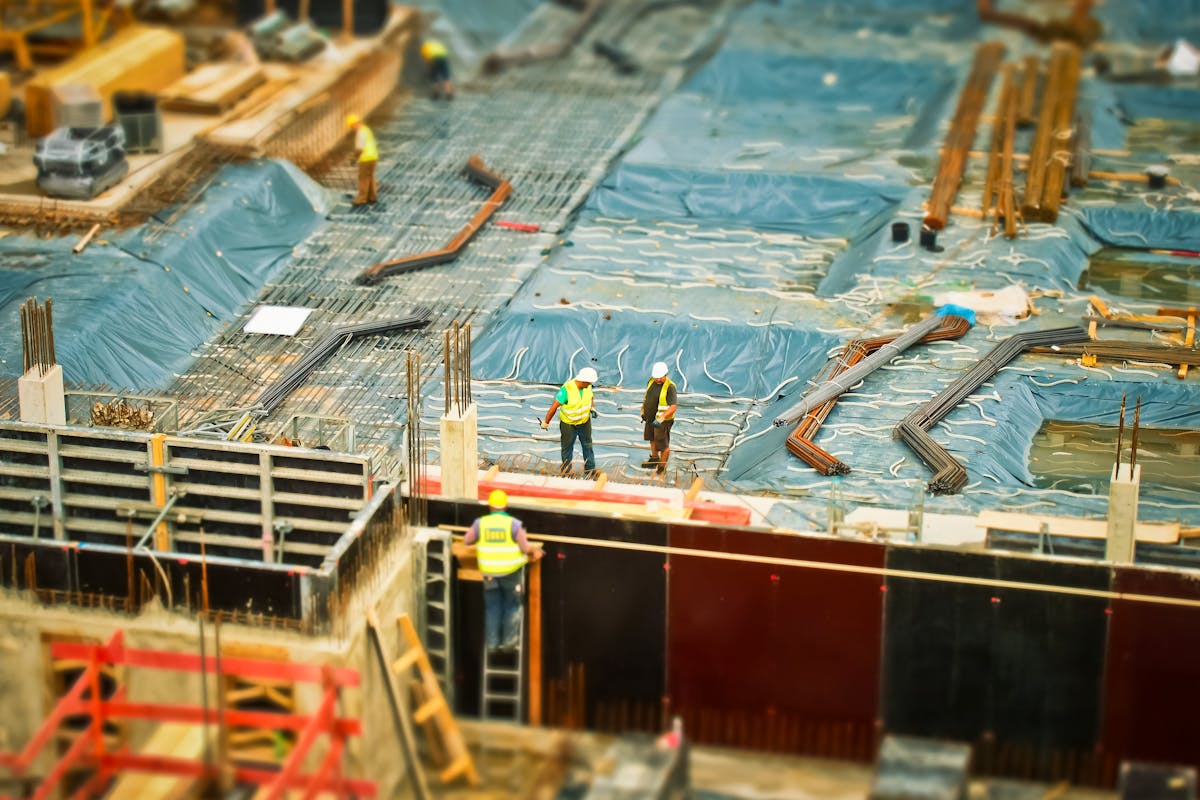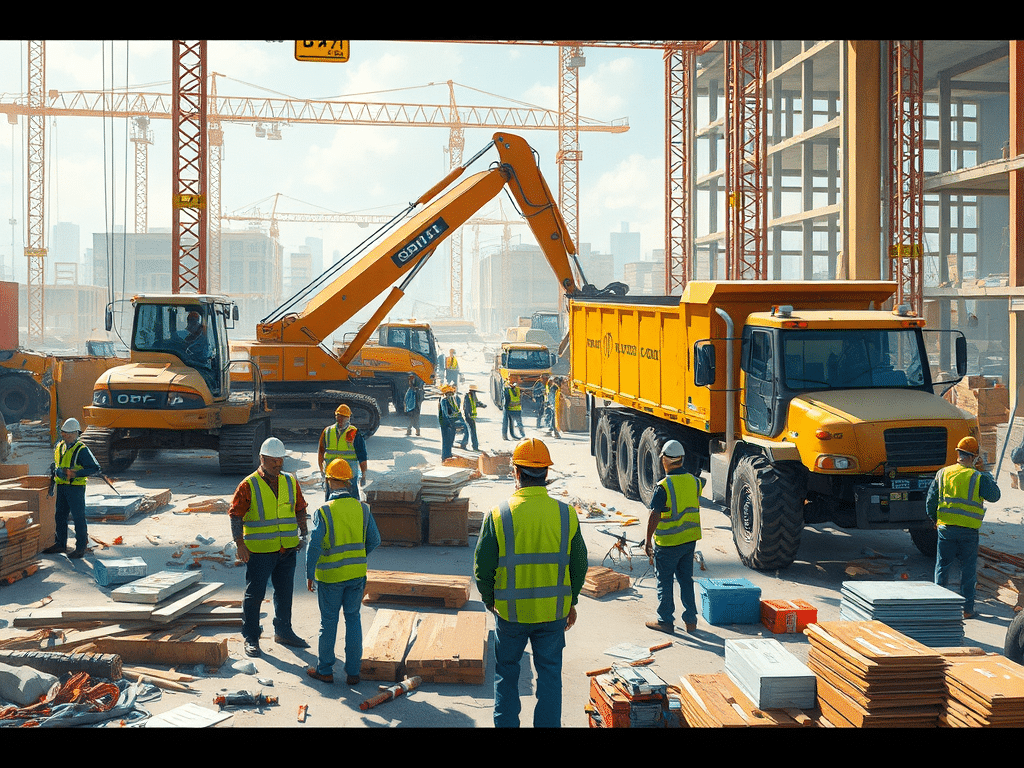
Construction sites are a hive of activity—dust flying, machines whirring, people shouting over the chaos. It’s beautiful in its own way, but let’s be honest: it can also be a logistical nightmare. Delays, miscommunications, equipment that mysteriously disappears right when you need it—sound familiar?

Via Pexels
Improving onsite efficiency isn’t about turning your crew into robots. It’s about working smarter, not harder. Let’s dig into some real, out-of-the-box strategies that don’t involve just “more meetings.”
1. Start With the Flow—Then Break It
Most construction sites are set up based on habit. But what if you stopped doing things just because that’s “how it’s always been done”? Try mapping out your site’s current workflow. Literally. Pen and paper, whiteboard, whatever. Where are people walking the most? Where are tools stored? How far is that trailer from the actual build site?
You might be shocked to find wasted steps—literal footsteps—that slow the whole day down. Redesigning the layout, even just slightly, could save your team hours each week. Don’t be afraid to break the usual flow.
2. Kill the Clipboard, Embrace the Cloud
Clipboards are old-school cool, but they’re also a one-way ticket to inefficiency. Move everything you can onto digital platforms: blueprints, checklists, timesheets, delivery logs, punch lists. There are tons of construction-specific apps that allow real-time updates and communication between crew members, managers, and contractors.
This way, no one has to run back to the trailer to check if a shipment came in or if a task was marked off. It’s all right there—in their pocket.
3. Bring the Office to the Dirt
Walking back and forth between the job site and the office wastes more time than we like to admit. Enter: Mobile Office Trailers for Rent. These aren’t just for storing plans or hiding from the rain. They can be fully kitted out as functioning command centres, giving site managers a quiet, organized space to handle admin tasks without being miles away from the action. A mobile office onsite bridges the gap between the boardroom and the bulldozer.
4. The Morning Huddle: More Than Just a Pep Talk
A ten-minute huddle each morning isn’t just a nice idea—it’s a powerhouse of clarity. Instead of waiting for questions to pop up throughout the day (and interrupting the workflow), use that time to get everyone aligned. Lay out the day’s goals. Assign clear responsibilities. Flag potential issues. Add a little humour, keep it light, and you’ll see a boost in morale and momentum.
5. Invest in Cross-Training—Yes, Really
Your concrete guy might never swing a hammer again, but giving workers a chance to learn each other’s skills builds resilience into your crew. When someone’s sick or delayed, someone else can step in. Projects don’t grind to a halt because one person is out of action.
Plus, it keeps the team sharp and engaged. No one likes feeling like a cog in a machine.
Wrapping It Up
Efficiency isn’t about squeezing every last drop of sweat out of your team. It’s about removing friction—those small daily headaches that chip away at productivity. Sometimes the biggest wins come from the smallest changes. Think smarter site layout. Better communication. Onsite mobile offices. A culture of readiness.
Discover more from The Cameron Journal
Subscribe to get the latest posts sent to your email.