
Key Takeaways
- Awareness of different funding types empowers students to make choices that suit their needs and futures.
- Understanding the long-term effects of student loans reduces the risk of overwhelming debt.
- Accessing trustworthy information and guidance simplifies the decision-making process.
Table of Contents
- Understanding Education Funding Options
- Evaluating the Impact of Student Loans
- Utilizing Resources for Informed Decisions
- Considering Alternative Pathways
- Planning for Repayment
- Seeking Professional Advice
- Staying Informed About Policy Changes
- Conclusion
Making smart decisions about how to finance higher education is more important than ever. Students and families face many options, from scholarships and grants to work-study and loans, and the process can be overwhelming. Understanding each avenue helps students manage costs and avoid pitfalls once classes begin. For many, the combination of increasing college expenses and the potential burden of borrowing means that gaining a clear picture of all options, including private student loans, is crucial for future financial well-being.
With the right information, students can confidently weigh the advantages and drawbacks of every funding source. The aid landscape includes not only government programs but also private offerings, and knowing how these interact with personal circumstances makes all the difference. By dedicating time to research and planning, individuals can align their educational choices with both academic ambitions and financial realities.
Understanding Education Funding Options
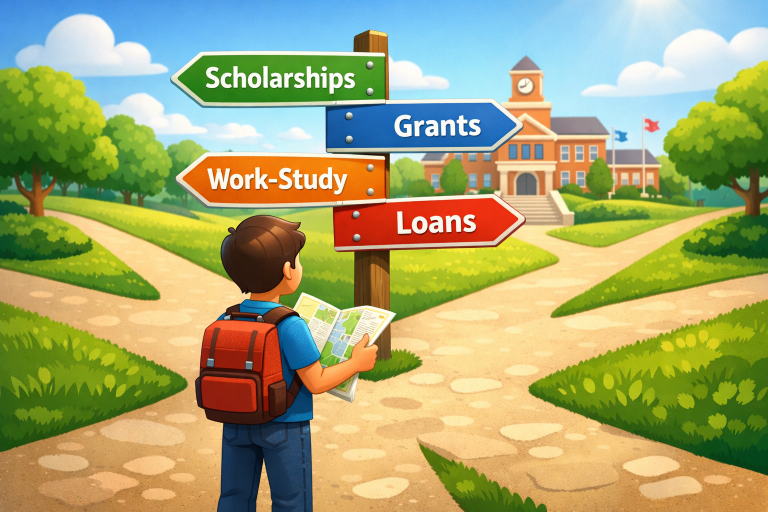
Navigating educational funding begins with understanding the main types: scholarships, grants, work-study, and loans. Scholarships and grants are ideal since they do not require repayment and are often awarded for academic achievement, special skills, or financial need. Work-study programs allow students to earn a paycheck while meeting academic commitments, giving them both funding and practical job experience. Loans, whether federal or private, enable access when other options fall short but require careful planning to manage responsibly.
It’s essential to research each funding avenue early. Federal grants such as the Pell Grant and state-level scholarships offer significant support, but eligibility often depends on factors like income and merit. Private scholarships through foundations, local businesses, or organizations can fill in gaps if students widen their search and apply broadly.
Evaluating the Impact of Student Loans
Student loans help bridge the gap between available funds and actual college costs, yet borrowing comes with serious long-term consequences. Research from the National Center for Education Statistics shows that a majority of undergraduates take on loans, and the average monthly repayment can strain early-career budgets. Especially with private student loans, which may carry higher interest rates and less flexible repayment terms than federal loans, it’s important for students to fully understand the obligations they’re accepting.
When deciding on a loan, consider the total cost, including interest, the repayment timeline, and projected earnings after graduation. Using loan calculators provided by reputable financial organizations helps students estimate payments and compare scenarios, so they can choose the lowest-risk option with the greatest upside.
Utilizing Resources for Informed Decisions
Students should take advantage of the wealth of online tools and official information available. For instance, the Tennessee Higher Education Commission provides a comprehensive portal with data about tuition, financial aid, and career outlooks for state colleges. National resources like the Federal Student Aid website guide users through every step, from FAFSA completion to detailed explanations on loan types and repayment plans.
Exploring such trustworthy tools can simplify complicated decisions, revealing which options are most accessible and affordable based on a student’s academic path and individual financial situation.
Considering Alternative Pathways
Although traditional four-year universities are popular, many less conventional options provide valuable credentials without the high price tag. Community colleges, for example, offer associate degrees and transfer programs at a fraction of the cost, while vocational training in fields like healthcare and technology can quickly lead to in-demand careers. Online courses and certification programs continue to expand, giving students flexibility and the ability to work while studying, which further reduces the need for large loans.
Growing numbers of students now look to these pathways to gain hands-on skills and real-world experience in high-growth industries. Exploring alternatives can mean faster earnings and less debt, especially for those seeking immediate employment after school.
Planning for Repayment
Borrowing only what is necessary and planning a repayment strategy early on is vital. Before committing to a loan, students should estimate potential monthly payments and compare them to likely starting salaries, creating a rough budget that ensures future expenses remain affordable. Choosing income-driven repayment plans or loan forgiveness programs, when available, may help reduce the strain and make borrowing less risky.
Seeking Professional Advice
Guidance from financial aid officers, high school counselors, and professional career advisors often makes the difference between a good and a great funding plan. Professionals are equipped to advise on eligibility for specialized grants, scholarships, and savings plans like 529 accounts. They can also clarify institutional policies surrounding merit aid or special circumstances so students can maximize funding sources and keep borrowing in check.
Staying Informed About Policy Changes
Policies governing student aid evolve frequently at both the federal and state levels. New regulations, loan programs, or scholarship opportunities are often rolled out, while some may expire or see changes in eligibility. Staying current is essential. Following official agency updates and reading higher education news on platforms like NPR Education keeps students prepared for any developments that may directly impact their funding choices or repayment strategies.
Conclusion
Approaching education funding as an informed consumer is the best path to academic and financial success. By combining diligent research, strategic borrowing, and expert guidance, students can select the funding options that best suit their needs and minimize future complications. Understanding ever-changing policies and considering a broad range of pathways also ensures that students enter their chosen fields on solid ground, both academically and financially.
Discover more from The Cameron Journal
Subscribe to get the latest posts sent to your email.