
The Strategic Timeline for Private School Admissions
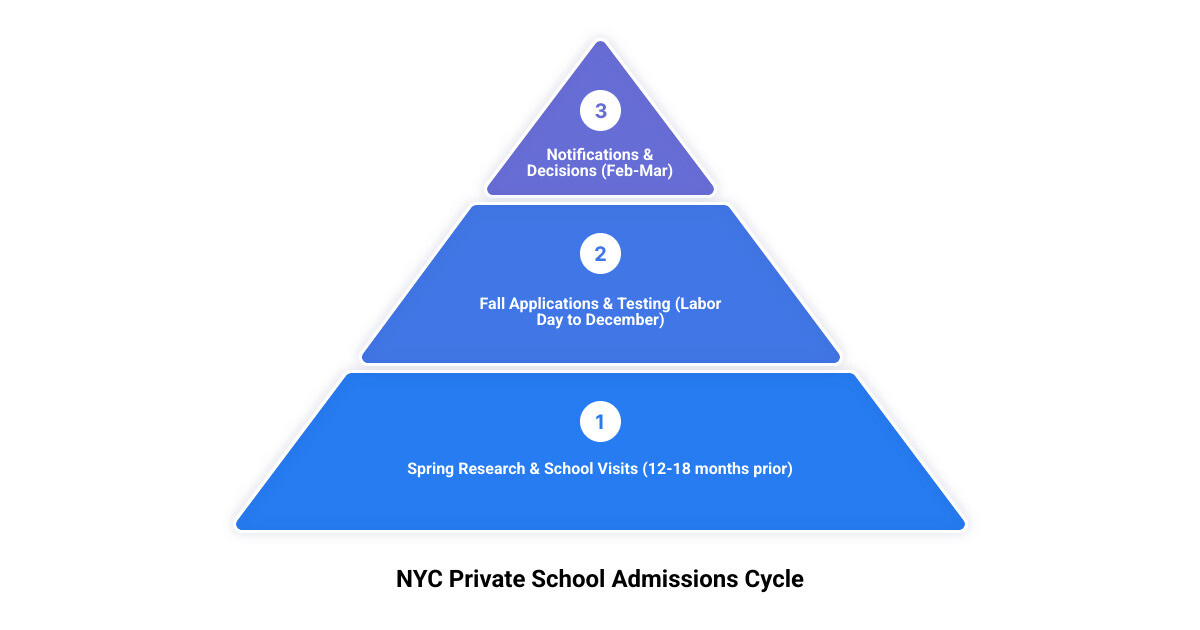
The journey through NYC private school admissions is a marathon, not a sprint. Effective planning often begins a full year, sometimes even two, before your child’s intended enrollment. This extended timeline allows for thorough research, school visits, and meticulous preparation of application materials. We guide families through each phase, helping them understand the critical junctures and what actions are required. For a detailed breakdown of the application journey, explore our comprehensive Kindergarten Application Timeline Nyc.
Key Entry Points and Age Cutoffs
While some schools offer rolling admissions for various grades, the main entry points for NYC-area private schools are typically Kindergarten, 6th grade, and 9th grade. However, many institutions also welcome students in nursery (ages 2-3) or pre-kindergarten (age 4). For instance, some private preschools in Manhattan may accept children as young as 1.6 years old, though the more common minimum for fall enrollment is 2.0 years old by September 1st of the entering year. For kindergarten, children generally need to turn five by September 1st. It’s crucial to check each school’s specific age cutoff as these can vary.
Navigating the Application Calendar
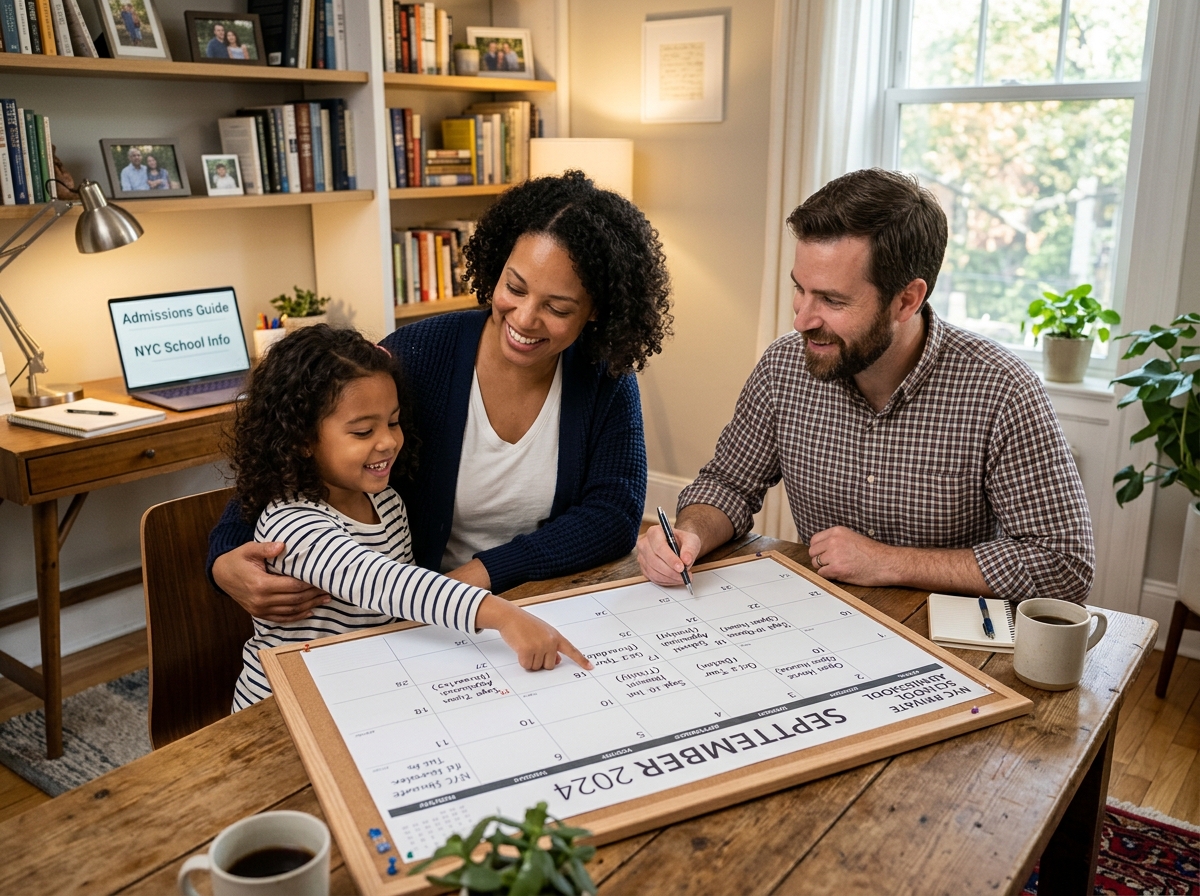
The private school application cycle typically kicks off in late August or early September, right after Labor Day, when applications become available. The fall months are bustling with parent tours, open houses, and interviews. Families dedicate this period to visiting schools, gathering information, and beginning to craft their personal statements. Most application deadlines fall in December, with student assessments and playdates scheduled between December and February. Admissions decisions are usually released in late February or early March, with a reply date often set for mid-March. The Independent Schools Admissions Association of Greater New York (ISAAGNY) coordinates these dates for many schools, ensuring a standardized process for families. You can find more information about ISAAGNY and its coordinated efforts at its official website.
Essential Components of a Competitive Application
A successful private school application is a multifaceted endeavor that requires careful attention to detail and a strategic approach. It’s about presenting your child and family in the best possible light, demonstrating a genuine fit with the school’s values and mission. For an in-depth look at what it takes to stand out, consult our guide on Mastering Kindergarten Admissions: Your Essential Guide to Winning the Million Dollar Spot.

The typical application comprises several key elements:
- Parent Statements/Essays: These are your opportunity to articulate your family’s values, your child’s unique qualities, and why a particular school is the right fit. Schools look for authenticity, clear communication, and alignment with their philosophy.
- Student Essays/Questionnaires: For older students, these provide insight into their personality, interests, and intellectual curiosity.
- School Reports & Recommendation Letters: Confidential reports from current teachers and school administrators are vital. They offer an objective perspective on your child’s academic performance, social-emotional development, and classroom behavior.
- Student Interviews/Playdates: These assessments allow schools to observe your child in a group setting (for younger applicants) or engage them in conversation (for older students). They look for social skills, curiosity, and the ability to follow directions.
- Parent Interviews: This is your chance to connect directly with admissions officers, ask questions, and reinforce your family’s commitment and understanding of the school.
Standardized Testing and Private School Admissions
Standardized testing remains a component for many NYC private schools, though policies can vary significantly. While some schools went test-optional during the pandemic and continue to do so, others still rely on tests like the ISEE (Independent School Entrance Exam) or SSAT (Secondary School Admission Test) for admissions to middle and upper school. For kindergarten, some specific schools, like Horace Mann and Riverdale, may require the First Look Index (FLI). These tests are designed to assess a child’s cognitive abilities and academic potential. Navigating these requirements can be complex, and expert guidance from an Educational Consultant NYC can be invaluable.
Here’s a simplified comparison of common tests:
Test Name Grades Assessed Focus Areas Common Use ISEE Grades 2-12 Verbal Reasoning, Quantitative Reasoning, Reading Comprehension, Mathematics Achievement, Essay Middle and Upper School Admissions SSAT Grades 3-11 Quantitative, Verbal, Reading, Essay Middle and Upper School Admissions FLI (First Look Index) Kindergarten (ages 4-5) Cognitive abilities, school readiness Kindergarten admissions for select NYC schools Mastering the Parent and Student Interview.
Interviews are a cornerstone of the private school admissions process. For parents, this is an opportunity to articulate your “elevator pitch” – a concise, compelling summary of your child and family, highlighting what makes you a great fit for the school. Admissions committees seek parents who are engaged, supportive, and understand the school’s mission. Preparation for these conversations is key, focusing on thoughtful questions and demonstrating genuine interest.
For students, especially younger ones, playdates and observations are designed to assess their social-emotional development, curiosity, and ability to interact with peers and adults. We help families prepare children for these scenarios by focusing on skills such as listening, sharing, following directions, and separating easily from parents. For older students, interviews delve into their interests, academic strengths, and extracurricular involvement. Our Calm NYC Admissions Guidance offers strategies to approach these interactions with confidence. Professional attire for parents and comfortable, school-appropriate clothing for children are generally recommended.
Factors Influencing Admissions Decisions
Beyond the application components, several factors significantly influence admissions decisions in the competitive NYC private school landscape. These often include legacy status, sibling priority, and attendance at feeder preschools. For example, some schools prioritize 100% of faculty children and a significant percentage of alum children. Our insights into NYC Sibling School Admissions offer further perspective on this.
Public school policy changes also play an increasingly important role. Recent developments, such as a statewide mandate to reduce class sizes to 25 students per teacher by 2028 and the potential elimination of Gifted and Talented programs, have prompted more families to consider private options. This influx of applicants, combined with a “pandemic baby boom” that increased the applicant pool by 25% in the 2026 kindergarten cycle, has intensified competition. Families are also encouraged to consider schools outside Manhattan, such as Hackley School in Westchester, Stony Brook School on Long Island, or Berkeley Carroll School in Brooklyn, as well as options in neighboring states like Connecticut or New Jersey, which can offer different admissions dynamics.
Understanding Financial Aid and Tuition Costs
Tuition at top NYC private schools can be substantial, with some institutions like Trinity School charging around $69,000 for kindergarten (excluding extended-day programs). However, financial aid is often available and designed to make private education accessible to a wider range of families. Many schools offer need-based grants that aim to meet 100% of demonstrated financial need. For example, Avenues New York provided over $19 million in financial aid to more than 400 students for the 2025–26 school year. These funds are typically finite and highly competitive, often prioritized for families who apply early and for whom the school is a top choice. While merit scholarships are less common at the kindergarten level, they may be available for older grades. We help families navigate the complexities of financial aid applications and understand the impact on admissions chances.
The Role of Educational Consultants
Given the intensity and complexity of NYC private school admissions, many families seek the support of educational consultants. These professionals offer strategic guidance, insider knowledge, and personalized support throughout the process. Services can include admissions advisory, parent and student interview preparation, essay editing, test preparation, and even playdate practice and coordination. Consultants often charge around $20,000 per application cycle, reflecting the extensive time and expertise required.
A reputable consultant adheres to ethical standards, such as those outlined by the IECA (Independent Educational Consultants Association), and will never guarantee placement at a specific school. What they can guarantee is comprehensive support to maximize your child’s chances of acceptance. Our team brings deep expertise to Educational Consultant Nyc services, offering tailored strategies for each family. To learn more about the specific ways we can assist you, please visit our Services page.
Managing Outcomes and Waitlists
Receiving admissions notifications can be a mix of excitement and anxiety. It’s crucial to understand how to manage offers, waitlists, and potential rejections effectively. Once an offer is extended, families typically have about a week to respond. This involves signing enrollment contracts and often submitting a non-refundable deposit. Carefully reviewing the terms of the Kindergarten Admissions Contract Review is an essential step.
If your child is placed on a waitlist, it means they are qualified, but a spot isn’t immediately available. Strategies for waitlist management include sending a “letter of continued interest” and staying in polite communication with the admissions office. While some families might receive multiple offers, others may face rejections or waitlists from their top choices. This can be disheartening, but it’s not a reflection of your child’s worth.
Strategies for Success in Private School Admissions
The overarching strategy for success is to find the right “fit” rather than chasing prestige alone. A school where your child will thrive academically, socially, and emotionally is ultimately the best choice. If you receive multiple offers, promptly declining those you won’t accept is a courtesy that allows other waitlisted families to receive offers. For insights into identifying the ideal environment for your child, explore our guide on finding the Best Fit Private Schools NYC.
In cases where initial applications don’t yield the desired results, families can explore second-round applications, look for open seats that become available after the reply date, or consider reapplying in a non-entry year. Some schools, especially those with a global presence, might also offer unique opportunities, such as global campus mobility, which can influence decision-making.
Frequently Asked Questions about NYC Admissions
What is the difference between ISAAGNY and independent schools?
ISAAGNY (Independent Schools Admissions Association of Greater New York) is an organization that coordinates admissions procedures for many independent schools in and around NYC. Its purpose is to ensure order, equity, and professionalism in the admissions process, particularly concerning notification and reply dates. However, some prominent independent schools, such as Collegiate, Horace Mann, Brearley, and Ethical Culture Fieldston, operate outside ISAAGNY’s coordinated dates and set their own timelines. This can lead to staggered notification dates, as seen in recent cycles, creating a complex “game of one-percenter dominoes” for families trying to navigate multiple offers and deadlines. For a comprehensive overview of independent school admissions, you can refer to resources like Manhattan Private School Admissions.
How competitive is kindergarten admission for 2026?
The 2026 kindergarten admissions cycle was notably competitive, described by some as unusually difficult. Applications surged by 25 percent across the board. This heightened competition was attributed to a combination of factors: a “pandemic baby boom” that increased the applicant pool and public school policy changes that pushed more families towards private options. Acceptance rates at elite schools can be in the high single digits, and even lower when considering priority for faculty children (some schools accept 100%), alum children (up to 50%), and siblings. This means a significant portion of available spots are filled before general admissions, making the remaining spots sought after. Understanding these dynamics is crucial, and our Kindergarten Admissions NYC Guide delves deeper into these challenges. For families considering public school options, the NYC Public Schools Admissions Guide provides a contrasting perspective.
Can families starting the process late still find placement?
While it’s always advisable to start the private school admissions process early, families who begin late can still find placement, though it may require greater flexibility and persistence. After the initial reply dates in March, some schools may have open seats, or spots can become available from waitlists throughout the spring and summer. Resources like the Parents League often become aware of these open kindergarten seats. Additionally, some schools have rolling admissions or accept mid-year transfers, particularly in non-entry years. For specific questions and personalized advice for your unique situation, we encourage you to consult our FAQs or reach out for direct support. Exploring diverse areas, including private schools in Queens, can also broaden your options.
Conclusion
Navigating the NYC private school admissions landscape is undoubtedly complex and demanding. From understanding the strategic timeline and preparing compelling applications to managing outcomes and waitlists, every step requires careful consideration and informed decision-making. We believe that with thorough preparation, a clear understanding of the process, and a focus on finding the right school community fit for your child, families can successfully navigate this journey.
Our ultimate goal is to empower families with the knowledge and support needed to make the best educational choices. Whether you are just beginning to explore options or are deep into the application cycle, strategic planning and expert guidance can make a significant difference. For comprehensive support tailored to your family’s unique needs, we invite you to explore the resources available at NYC private school admissions guidance.
Discover more from The Cameron Journal
Subscribe to get the latest posts sent to your email.