
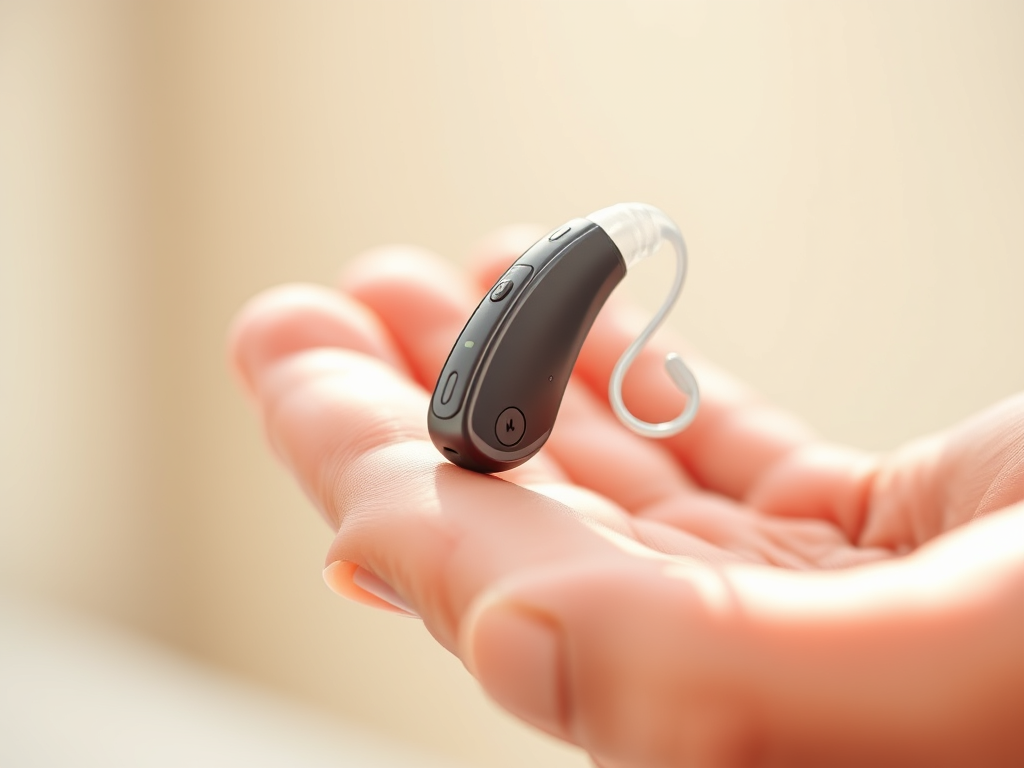

If you or a family member has started to experience hearing loss, it might be time to consider a hearing aid. Don’t be put off by the cost of hearing aids – while there are heavily-advertised premium solutions out there, there are also budget alternatives, as well as other tricks to save money. Below are just a few secrets that could help you to cut the cost of hearing aids.
Stick to basic models
Hearing aids with integrated technologies like bluetooth and AI can provide amazing results, but you don’t necessarily need these technologies. Settling for more basic models can save you money – such hearing aids can still help you to hear better. It could still be worth looking into some features like noise reduction and directional microphones to improve clarity in conversations, but an increasing number of basic models now have these features as a standard.
Look into OTC hearing aids
If you have mild to medium hearing loss, it might be worth looking into OTC hearing aids. These typically cost much less than prescription hearing aids. The catch is that you need to set these up yourself, which means hearing quality may not always be as good. Always make sure that an OTC hearing aid is FDA-approved – be careful of buying non-prescriptions hearing aids online (particularly refurbished models) as they may not always meet standards.
Check your insurance
Some people assume that hearing aids are not covered by health insurance. While some insurers don’t provide coverage, many now do. In fact, in some states it is now mandatory. Being able to use an audiologist covered by insurance could save you money on not just hearing aids but also hearing tests and check-ups.
Use a HSA/FSA
Health Savings Accounts and Flexible Spending Accounts are special savings accounts designed to cover healthcare expenses not covered by insurance. Pre-tax earnings are contributed into these accounts, making them better than regular savings accounts. You can usually use these accounts to buy hearing aids and pay for other expenses related to hearing health.
Consider investing in rechargeable batteries
Hearing aids that use rechargeable batteries do often cost more upfront than hearing aids that use disposable batteries. However, you’ll usually spend a lot less over the years by using a device with a rechargeable battery than you would by constantly buying disposable batteries. Think about this when choosing a hearing aid. Rechargeable batteries may not be available with all styles of hearing aid.
Ask for a discount
This one is obvious, but many people do not consider it. Audiologists don’t always have to stick to the cost advertised and they may be able to provide you with discounts in some cases. At the very least, you may be able to access payment plans or be pointed in the direction of cheaper models to buy.
Following these tips should allow you to save some money on a hearing aid if you are concerned about the price. For the best results, you should ideally go through an audiologist, where you will be able to get an official hearing evaluation first, as well as being able to ask questions to further understand your options.
Discover more from The Cameron Journal
Subscribe to get the latest posts sent to your email.




