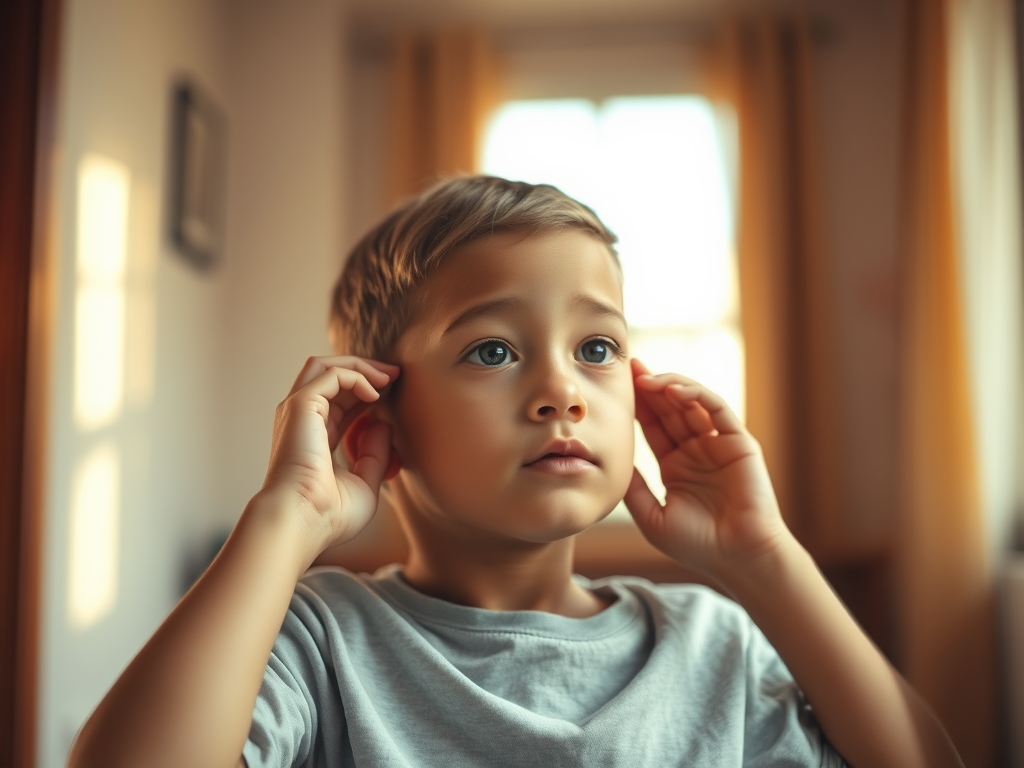
As one of the main senses, it should be clear that hearing is generally an important part of life. But this might not be immediately obvious, and there are different ways in which it is something you might need to be aware of. Hearing is often treated as a background sense. Sight dominates our language and imagination; we speak of insight, vision, perspective. Yet hearing is the sense that never closes. Even in sleep, the ear remains partially alert, tuned to danger, to a baby’s cry, to the subtle shift in the room. Long before we learn to read or recognise faces clearly, we recognise voices. Sound is our first bridge to the world. The importance of hearing stretches far beyond simply detecting noise. It shapes communication, emotional connection, balance, memory, and even safety.

Human Connection
Language depends on sound. The tone of someone’s voice carries as much meaning as their words. A pause, a tremor, a slight lift at the end of a sentence can reveal uncertainty or excitement long before the content is processed. Hearing allows us to interpret these layers instinctively. Conversation is not just about exchanging information; it is about synchronisation. When two people speak and listen, they adjust rhythm, pitch, and timing. That subtle dance builds trust. Without clear hearing, this exchange can become strained. Misunderstandings increase. Fatigue sets in from straining to follow along. Over time, social withdrawal can creep in simply because engagement feels harder than it once did.
Cognitive Health
Research increasingly shows a connection between untreated hearing loss and cognitive decline. When the brain must allocate extra energy to deciphering muffled sounds, fewer resources remain for memory and comprehension. Over years, this strain can have measurable consequences. The auditory system is not isolated. It links to regions responsible for language, memory, and spatial awareness. Reduced stimulation from hearing loss can mean reduced neural activity in these areas. In simple terms, the brain thrives on input. Sound provides constant, dynamic stimulation that keeps neural pathways active.
Listening As An Active Skill
Beyond physical hearing lies the art of listening. Hearing is sensory; listening is intentional. It involves attention, patience, and presence. In a culture saturated with notifications and constant input, truly listening has become rare. Active listening strengthens relationships and improves collaboration. It requires not only perceiving sound accurately but engaging with it fully. This is important whether you are an expert witness for hearing in a court case or simply trying to listen better in daily life. Good hearing supports this process, but it is the conscious choice to listen that completes it.
Emotional Wellbeing
Silence can be restorative, but enforced silence due to hearing impairment can feel isolating. Many individuals with untreated hearing loss report frustration, embarrassment, and a gradual shrinking of their social world. They may avoid gatherings, restaurants, or public events because following conversation feels exhausting. In contrast, the simple act of clearly hearing a loved one’s laughter can have profound emotional impact. The familiarity of a parent’s voice, the murmur of a partner in the next room, the rhythm of rain against a window: these are not trivial details. They are anchors in daily life.
Discover more from The Cameron Journal
Subscribe to get the latest posts sent to your email.