
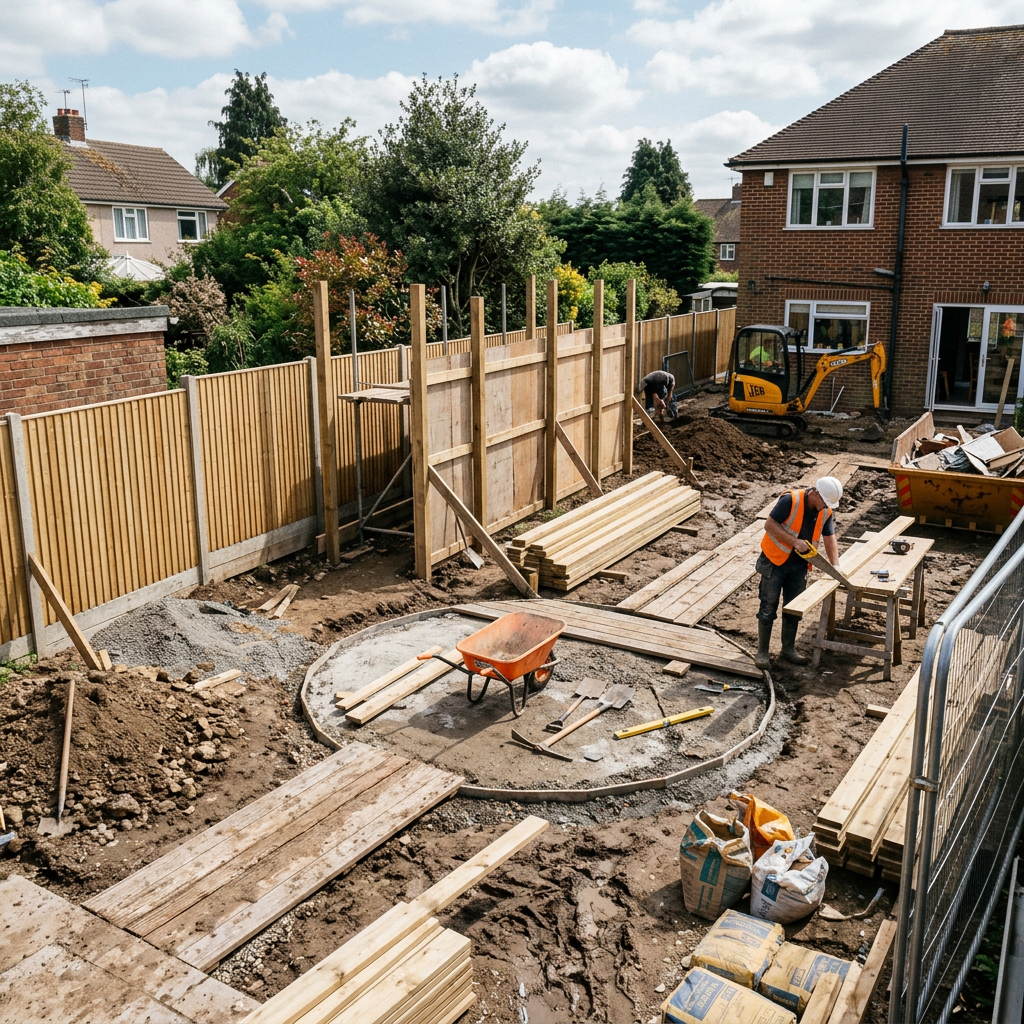
Homeowners are increasingly looking for ways to blur the lines between their indoor living areas and the natural environment. Expanding your footprint with a new outdoor deck, a sunroom, or a small home addition is an excellent way to elevate your property value and daily lifestyle. However, these residential upgrades often come with a significant environmental cost right in your own garden. Tearing up the lawn and bringing in heavy equipment can leave your once-pristine landscape looking like a disaster zone. Replacing mature native plantings or repairing ruined turf can take years and cost thousands of pounds. To preserve the beauty of your established trees and planting beds, it is vital to plan a low-impact build. Doing so protects the local ecosystem and prevents costly landscape restoration once the builders finally leave.
Exploring Modern Foundation Alternatives
The good news is that you no longer need invasive excavation to secure a stable, long-lasting foundation for your deck, shed, or home addition. Innovative building techniques have evolved to minimise soil disturbance significantly. Instead of pouring traditional concrete footings that require massive holes, extensive formwork, and lengthy curing times, modern builders can now use alternative support systems that are far gentler on the landscape. These modern options prevent your backyard from turning into a muddy construction pit.
For example, installing a helical screw pile provides a highly durable base that is essentially twisted deep into the ground like a giant screw. This method completely bypasses the need for large earth-moving equipment and messy concrete trucks. It keeps the surrounding soil intact, protects nearby tree roots from being severed, and allows construction to begin immediately. Furthermore, these supports can often be installed in various weather conditions, including freezing temperatures. It is a faster, cleaner route to creating your new outdoor space without sacrificing structural integrity or ruining your lawn.
The Hidden Dangers to Your Garden Landscape
Many property owners assume that a bit of trampled grass is the only casualty of a backyard construction project. Unfortunately, the damage goes much deeper beneath the surface. Traditional construction methods typically require large excavators to dig deep trenches and pour massive concrete foundations. This heavy machinery wreaks havoc on the delicate ecosystem of your garden. The sheer weight of the equipment crushes the porous spaces in the earth, preventing vital nutrients, oxygen, and water from circulating properly throughout the soil profile.
According to the Clemson Cooperative Extension, the primary causes of tree death during construction include grade changes, root severing, and soil compaction cutting off air and water, which can slowly kill mature trees over several years without being immediately obvious. Having to remove and replace a massive, dying oak tree is an expense and a heartbreak no homeowner wants to face. Furthermore, destabilised trees can become severe safety hazards during heavy storms. Preserving the complex root networks of your landscape requires keeping heavy trucks and excavators off the grass as much as possible.
Best Practices for Preserving Your Property
Beyond choosing the right foundation, there are several practical steps you can take to ensure your construction project leaves the lightest possible footprint. Discuss these strategies with your contractor before any labour begins to ensure everyone is on the exact same page.
- Establish clear boundaries: Set up temporary fencing around the root zones of mature trees and prized garden beds. This prevents workers from accidentally trampling delicate flora or storing heavy materials on top of sensitive root systems.
- Create designated access paths: Limit foot traffic and material transport to a single route. Laying down thick plywood sheets over the grass along this specific path helps distribute weight and prevents deep ruts from forming in the turf.
- Opt for prefabricated elements: Whenever possible, choose materials that are cut and assembled off-site. Prefabricated deck frames and modular addition panels require less active construction time in your garden, reducing noise, waste, and overall site disturbance.
- Manage construction waste: Ensure your team has a clear protocol for disposing of chemical runoff, sawdust, and material offcuts so they do not contaminate the local soil.
- Address post-construction aeration: Even with careful planning, some minor soil compression may occur. Consider aerating the lawn around the construction zone once the project is finished to restore proper oxygen flow to the grass roots.
- Schedule around the weather: Avoid scheduling heavy work during extremely wet periods. Saturated ground is far more susceptible to severe compaction and long-lasting structural damage than dry, firm soil.
Achieving a Harmonious Outdoor Upgrade
A beautifully designed deck or home addition should enhance your connection to the outdoors, not come at the expense of your existing landscape. By understanding the hidden risks of heavy machinery and exploring modern, low-impact building materials, you can protect your garden ecosystem for generations to come. Taking the time to implement sensible construction boundaries and alternative foundations ensures your next home improvement project is both a structural success and a lasting environmental win.
Discover more from The Cameron Journal
Subscribe to get the latest posts sent to your email.




