
Image Credit: Unsplash
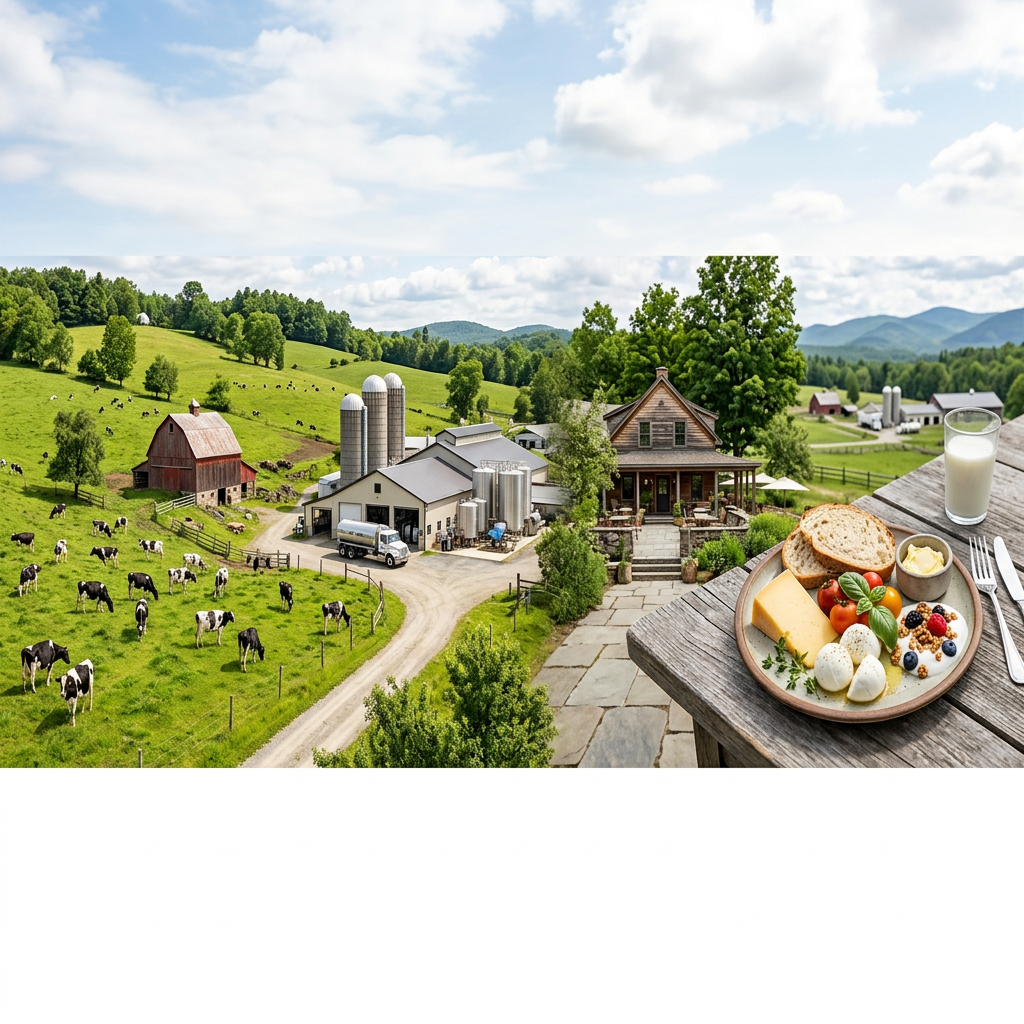
Dairy products are part of everyday diets around the world, but the journey from farm production to consumer shelves involves a complex global network. How these products get from a farm to your table is a complicated story of global supply and demand. It involves millions of farmers, advanced logistics, and changing consumer tastes. This complex system makes sure that cities and countries with little to no local dairy production can still enjoy a wide variety of milk, cheese, yogurt, and butter.
From Pasture to Plate, Globally
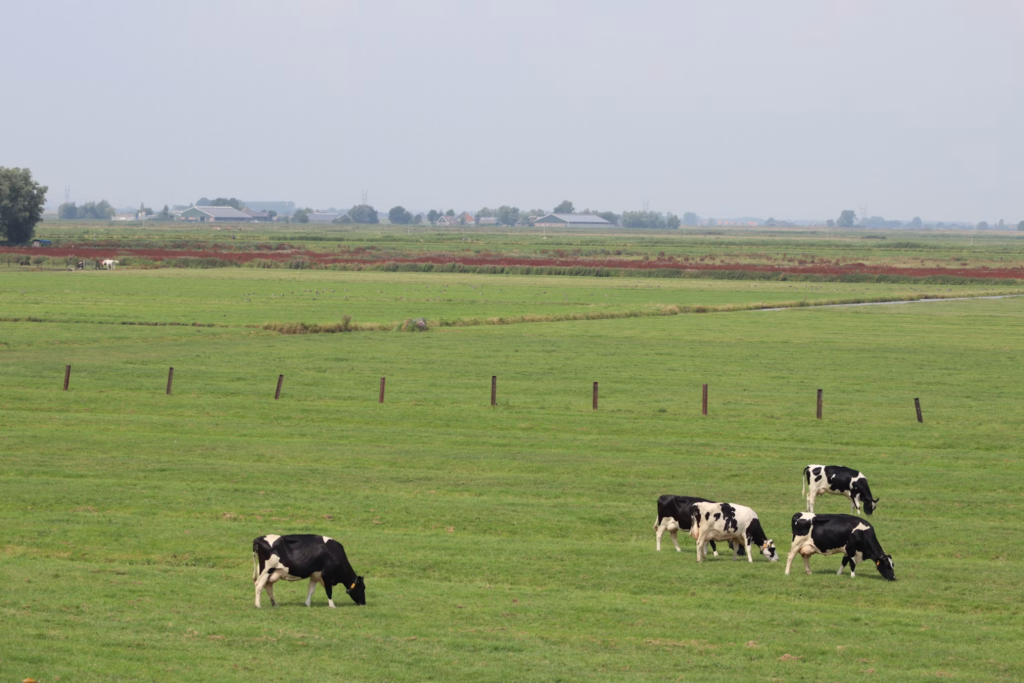
The global dairy supply chain is highly complex, blending modern farming with efficient logistics. It all starts on farms, where dairy cows are raised and milked. This raw milk then goes to processing plants, where it’s pasteurized and turned into different products. From there, products move through distribution networks before reaching supermarket shelves, whether they’re nearby or on the other side of the world. This industry has a significant economic and social impact, supporting livelihoods and providing essential nutrition to billions of people. This global network connects rural farming communities with consumers across continents.
The Role of High-Quality Dairy Cattle
Good livestock are the backbone of any successful dairy industry. Healthy cows that produce a lot of milk are key to getting large amounts of high-quality milk efficiently. Genetics play a big role, with specific breeds like Holstein-Friesian, Jersey, and Brown Swiss being popular because they produce a lot and can adapt well. Countries looking to start or improve their own dairy production often bring in live animals to build a strong genetic base for their national herds. Businesses such as Australia’s Livestock Exporters support this process by helping move healthy, well-cared-for animals to meet international demand and strengthen livestock industries worldwide.
Meeting International Consumer Needs
People around the world don’t all want the same dairy products. While some Western countries drink a lot of liquid milk, other regions are increasingly interested in things like cheese, milk powder, and yogurt. Developing economies, especially in Asia and the Middle East, are driving much of this growth as people earn more and try new foods. Processors and exporters need to pay attention to these changing global dairy markets to do well. For example, milk powder is a major commodity because it lasts a long time and is easier to transport than fresh milk, making it crucial for countries that don’t produce much locally.
Challenges in Global Dairy Trade
Dealing with the global dairy market comes with its share of challenges. Trade rules, like tariffs and quotas, can really affect how much products cost and if they’re available. Biosecurity is another big worry, with strict rules in place to stop animal diseases from spreading, which can shut down supply chains overnight. Logistics are also complicated, especially for perishable products that need to stay cold from the farm all the way to the consumer. Prices constantly go up and down, influenced by things like weather, feed costs, and changes in global supply and demand, creating an unpredictable situation for producers.
Sustainable Practices in Dairy Farming
As people become more aware of environmental issues, the dairy industry is focusing more on sustainability. Farmers and agricultural businesses are adopting sustainable agriculture practices to reduce environmental impact while maintaining productivity and meeting growing food demands. Modern farms are using new technologies and practices to reduce their carbon footprint, manage water better, and improve soil health. Sustainable dairy farming includes practices such as using manure as natural fertiliser, investing in renewable energy, and improving animal welfare through better housing, nutrition, and healthcare. These efforts help reduce environmental impact while supporting long-term industry resilience.
The global dairy industry continues to evolve through new technologies, changing consumer demands, and sustainable practices that connect producers and consumers worldwide.
Discover more from The Cameron Journal
Subscribe to get the latest posts sent to your email.




