
Key Takeaways
- Frame answers with a future-focused, positive outlook on your professional journey.
- Emphasize professional growth, new challenges, and alignment with the company, rather than negative experiences.
- Be specific about your reasons to demonstrate a genuine interest in the new role.
Interview questions can shape the entire job application process, and one of the most influential questions you may encounter is, “Why do you want to leave your current job?” Your answer to this question provides valuable insight into your career motivations and your professionalism. Approaching it with positivity and perspective is crucial for making a lasting impression.
Interviewers are not just curious about your past; they want to see how you articulate your reasons for change and how you envision your future. A well-considered response highlights your ambition, readiness for growth, and alignment with new roles without disparaging your current employer or team.
If you want to showcase your strengths and set yourself apart, focusing on growth opportunities and aligning with company values is key. Candidates who present a forward-thinking motivation often stand out and are more likely to progress further in the hiring process.
Furthermore, employers strive to build teams that are enthused about the company’s mission and future direction. Showing self-awareness and maturity through your answer is an effective way to demonstrate your suitability for such environments.
Understanding the Interviewer’s Perspective
Interviewers frequently ask why you want to leave your current job to assess your motivations on a deeper level. Employers want to know that you’re not simply escaping a bad situation, but moving with purpose toward a better fit for your skills and aspirations.
Your reply helps interviewers determine whether you are likely to thrive in their organization and remain committed in the long term. This question also helps expose red flags, such as a tendency to speak poorly of past employers or an unclear sense of professional direction.
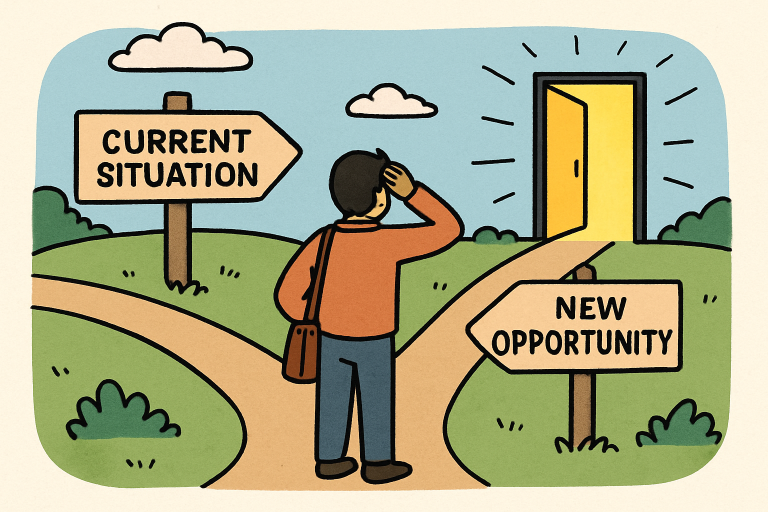
Common Positive Reasons for Leaving a Job
Focusing on constructive reasoning signals both self-awareness and ambition. Here are some of the most effective and professional explanations for seeking a new opportunity:
- Seeking New Challenges: Many professionals leave a role because they’ve mastered their current responsibilities and seek fresh challenges that foster both engagement and learning.
- Professional Growth: Expressing the desire to develop skills or advance in your career shows initiative. For example, seeking mentorship programs, project management experience, or paths to leadership can be strong motivators.
- Alignment with Career Goals: Sometimes, people pivot into a role that better aligns with their long-term professional vision, such as transitioning into a specific industry or job function.
- Desire for a Different Work Environment: You might be drawn to a company’s mission, values, or culture after researching and realizing they align deeply with your own.
Crafting Your Response
Reflect on Your Motivations
Take time to understand what drives your career decisions. Are you looking for more responsibility, better alignment with your values, or opportunities to work with innovative technologies? Pinpoint the aspects of the new role that excite you, and use them as the foundation for your response.
Research the Prospective Company
Delve into the organization’s website, recent press releases, and employee reviews. This research arms you with the information needed to connect your professional aspirations with the prospective company’s mission and culture. Citing facts or features that specifically attract you will set you apart as a prepared candidate.
Practice Your Answer
Practicing how you deliver your response can make a significant difference during the interview. Rehearsal helps cultivate a balance between authenticity and confidence. When you answer succinctly and sincerely, you help interviewers envision you in their organization.
Sample Responses
Using positive language and keeping your focus on growth, here are some sample responses:
- “I have enjoyed working with talented colleagues at my current company, but I am seeking a role where I can participate in strategic planning and leadership. The opportunity to take on greater responsibility, which I see in this position, closely aligns with the next step I’d like to take in my career.”
- “While I’ve gained valuable experience, I’m now looking for a company that prioritizes cross-functional innovation. Your organization’s commitment to collaborative growth strongly resonates with my passion for learning and contributing to creative projects.”
Common Pitfalls to Avoid
- Speaking Negatively About Current Employer: Maintaining professionalism means focusing on your goals without disparaging your current team, management, or company culture.
- Being Vague: Ensure each response is specific, such as mentioning skill-building, mentorship, or alignment with values.
- Overemphasizing Salary: Compensation is a factor, but emphasizing it as your primary reason can make you appear less committed to the role’s actual responsibilities and mission.
Framing your response to “Why do you want to leave your current job?” in a positive, forward-looking way not only sets you apart as a candidate but also highlights your genuine interest in new opportunities and demonstrates your alignment with the values and vision of your prospective employer.
Wrap-Up
Answering the question, “Why do you want to leave your current job?” is an opportunity to highlight your professionalism, ambition, and clarity about your career path. By framing your response around growth, new challenges, and alignment with the prospective company’s mission, you demonstrate that your decision to move forward is thoughtful and purposeful.
Employers value candidates who approach career transitions with maturity and a forward-looking mindset. When you focus on the skills you want to develop, the responsibilities you hope to take on, and how the new role fits into your long-term goals, your answer becomes a powerful reflection of your motivation and potential.
With preparation, research, and practice, you can deliver a response that is both authentic and compelling. A well-crafted answer not only reassures interviewers about your intentions but also positions you as a candidate who is ready to contribute, grow, and succeed in the next stage of your career.
Discover more from The Cameron Journal
Subscribe to get the latest posts sent to your email.