Key Takeaways
- Consistent boiler care helps Eastern Pennsylvania facilities reduce avoidable heating interruptions.
- Leaks, shifting pressure, repeated resets, unusual sounds, and uneven heat should be documented and addressed promptly.
- Burners, water quality, controls, venting, pumps, and safety devices all influence reliable operation.
- Facility teams can make safe observations, while qualified professionals should handle combustion, fuel, pressure, and safety-control work.
- Repair or replacement decisions should weigh equipment condition, operating costs, future demand, and inspection requirements.
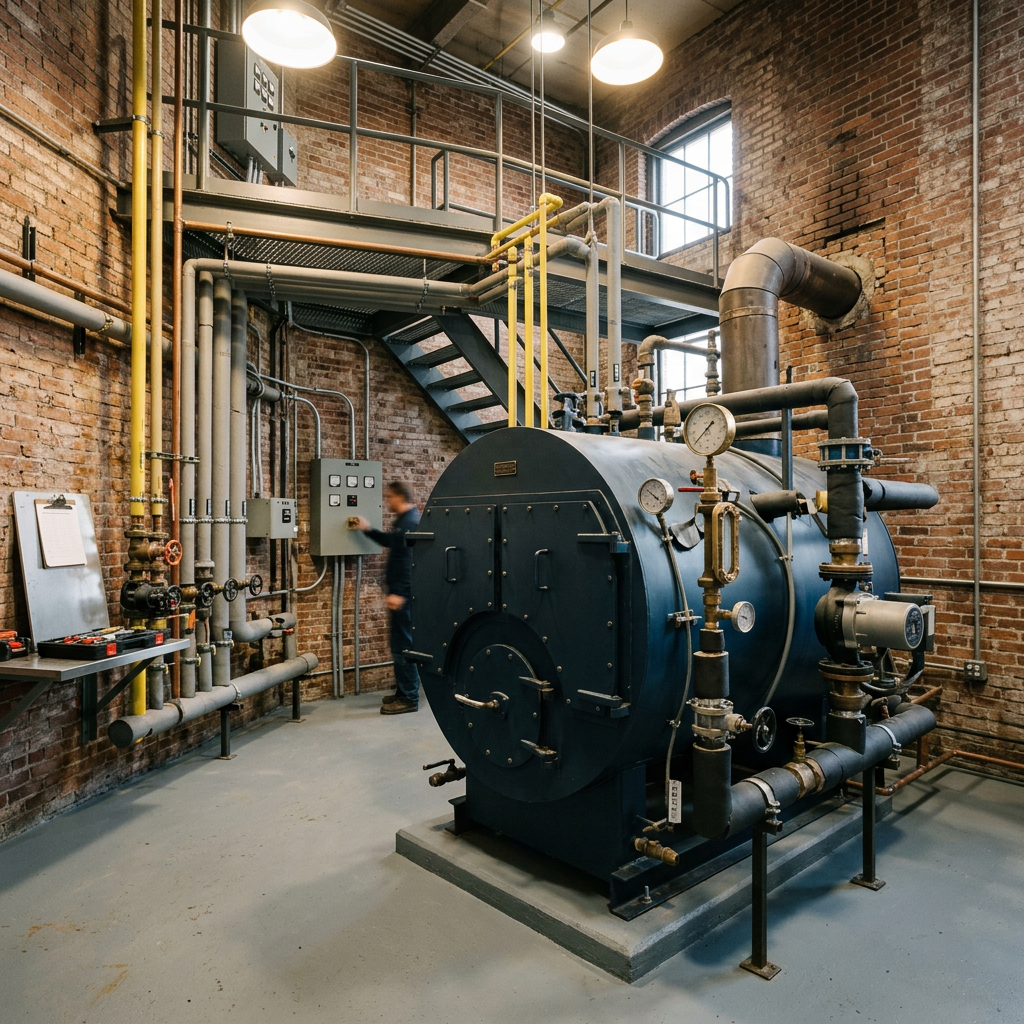
From older Main Street commercial properties to schools, warehouses, offices, and healthcare spaces, Eastern Pennsylvania buildings depend on dependable heat during cold, damp winters. A boiler problem can quickly affect occupant comfort, business hours, tenant satisfaction, and sensitive operations. For scheduled upkeep or a problem that needs diagnosis, T&T Lanco delivers high-quality boiler services throughout Eastern Pennsylvania.
The strongest plan is not built around waiting for a no-heat call. It combines routine observations, a documented maintenance schedule, clear records, and timely professional service. This approach gives building owners and facility managers more control before seasonal demand puts added pressure on equipment.
Why Boiler Care Needs A Year-Round Plan
Heating equipment is easier to assess, clean, test, and schedule for service before the busiest part of the heating season. A planned approach also helps teams identify patterns, such as recurring pressure issues or steadily rising fuel consumption, before the problem becomes an emergency. In Pennsylvania, boiler installations and inspections may be subject to state oversight, so facility leaders should review Pennsylvania’s boiler and pressure-vessel oversight requirements alongside local rules and the equipment manufacturer’s instructions.
How Commercial Boilers Support Building Operations
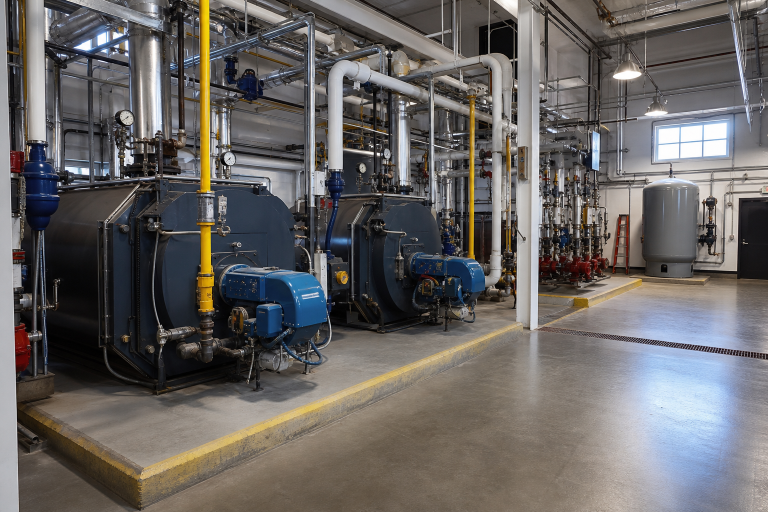
Hot-water boilers circulate heated water through piping, coils, radiators, or other distribution equipment. Steam boilers generate steam for heating or process uses. Both systems rely on connected components, including burners, heat exchangers, pumps, valves, controls, vents, and distribution lines. A weak pump, a stuck valve, a failing sensor, or a dirty burner can affect far more than the boiler room. For example, an office may develop cold zones, a restaurant may lose dependable hot water or space heat, and a school may struggle to maintain classroom comfort.
Daily And Weekly Checks For Facility Teams
Trained staff can make basic exterior observations without opening equipment, changing settings, or bypassing a protective device. Record normal readings first, then compare future readings against that baseline.
- Look for water around the boiler, piping, pumps, fittings, and valves.
- Listen for banging, rumbling, whistling, short cycling, or unusual vibration.
- Note temperature and pressure readings that differ from normal operating conditions.
- Watch for unusual odors, soot, blocked vents, or repeated alarms.
- Track operating hours, resets, service calls, and changes in fuel use.
- Keep the boiler room dry, well-lit, accessible, and clear of stored materials
Core Preventive Maintenance Tasks
Combustion And Burner Checks
A qualified technician should inspect burner operation, ignition components, fuel connections, and combustion performance. Soot, flame changes, delayed ignition, or repeated lockouts can indicate a condition that requires diagnosis rather than repeated resets.
Water Quality And Scale Control
Water treatment, make-up water, blowdown practices (where applicable), and corrosion control should be tailored to the system type and operating conditions. Scale and sediment can interfere with heat transfer, so trend records are more useful than relying on a single water reading or one cleaning event.
Controls, Safety Devices, And Venting
Thermostats, sensors, relays, pressure controls, low-water cutoffs, alarms, venting, and draft all deserve attention in a maintenance plan. Protective controls should be tested only by qualified personnel. Never bypass an alarm, limit, or safety device to keep a boiler operating.
Warning Signs That Need Attention
- Water leaks: Loose fittings, worn seals, corrosion, or pressure-related concerns may be involved. Isolate unsafe equipment and arrange an inspection.
- Frequent pressure changes: Record when they occur and request a review of the expansion tank, feedwater arrangement, valves, and controls.
- Banging or rumbling: Scale, trapped air, flow issues, or combustion problems can contribute. Have the cause identified before damage grows.
- Uneven building heat: The issue may involve pumps, valves, controls, air management, or distribution piping, not only the boiler itself.
- Repeated shutdowns: Do not continue resetting the unit without determining why it is shutting down.
Reducing Energy Waste
Clean heat-transfer surfaces, appropriate firing rates, sound control settings, and balanced distribution help a boiler system deliver heat more effectively. Compare fuel use with weather, occupancy, operating hours, and production changes, rather than judging performance based on a single utility bill. When replacement is being considered, the efficiency guidance for commercial boiler purchases can help decision-makers compare equipment by size, fuel input, and whether it produces hot water or steam. Low fuel use is not the only goal. Comfort, reliability, and safe operation still come first.
Safety Checks And Emergency Response
Fuel odors, smoke, unusual heat, uncontrolled pressure, suspected combustion-gas issues, or a significant leak require immediate attention under the site emergency plan. Keep people away from an unsafe area, avoid operating questionable equipment, and contact appropriate emergency or qualified service personnel. Only trained and authorized workers should service fuel piping, electrical components, pressure equipment, combustion systems, or safety controls.
When To Repair, Upgrade, Or Replace
- Review history: Consider recurring failures, emergency visits, unavailable parts, and occupant complaints.
- Assess condition: Evaluate corrosion, leaks, combustion results, controls, and heat-transfer surfaces.
- Measure costs: Compare repair spending, fuel use, downtime, and operational disruption.
- Plan for demand: Account for renovations, added square footage, process changes, and future comfort needs.
- Compare life-cycle value: Consider installation, maintenance, efficiency, expected service life, and required upgrades.
Questions To Ask A Boiler Service Professional
- What caused the problem, and what observations or test results support that conclusion?
- Is the recommended repair temporary, or is it intended as a long-term solution?
- Could water quality, venting, controls, or system balance be contributing factors?
- What safety tests will be completed after the work?
- What should the facility team monitor before the next heating season?
Final Checklist
- Create a written maintenance calendar and assign responsibility for routine logs.
- Keep service reports, inspection records, manuals, and test results in one accessible location.
- Address leaks, unusual noises, pressure changes, alarms, and combustion concerns quickly.
- Review performance before Eastern Pennsylvania’s coldest weather arrives.
- Use qualified professionals for repairs, combustion testing, safety-device testing, and pressure-related work.
Reliable commercial boiler performance begins with consistent, practical action. By observing the system, documenting changes, maintaining a clean boiler room, and responding early to warning signs, Eastern Pennsylvania facilities can support safer and more dependable heating throughout 2026.
Discover more from The Cameron Journal
Subscribe to get the latest posts sent to your email.