Table of Contents
- Music in Memorial Services
- Community Initiatives and Concerts
- Therapeutic Benefits of Music in Grief
- Preserving Cultural Memory Through Music
- Personal Tributes and Memorial Songs
- Global Events and Music Tributes
- Creating a Musical Tribute
- Conclusion
For generations, music has served as a vital bridge for honoring and remembering loved ones who have passed away. Its unique capacity to evoke memories and stir deep emotions makes it a profoundly moving element in moments of remembrance. Whether found at intimate services or public gatherings, music helps communities and individuals alike to express their grief and celebrate the enduring legacy of those they have lost. One meaningful way people are choosing to remember and make an impact is to donate in a loved one’s name, supporting musical programs that honor both memory and future generations.
The use of music in memorial contexts is not limited to somber occasions. It offers solace to those grieving and creates a sense of unity through shared experience, connecting hearts in a way words cannot. Whether a chosen song was a favorite of the departed or an anthem for a community, its melody often lingers in the minds of those present, gently guiding the healing process along. From personal tributes to influential community initiatives, music weaves itself through stories of remembrance in powerful, multifaceted ways. It preserves memories, fosters reflection, and helps anchor cultural identity, all while giving voice to universal emotions of loss and hope. As research from Psychology Today shows, collective musical experiences can foster resilience and comfort, especially in communal gradients of grief, reinforcing just how potent this art form is for healing.
Music in Memorial Services
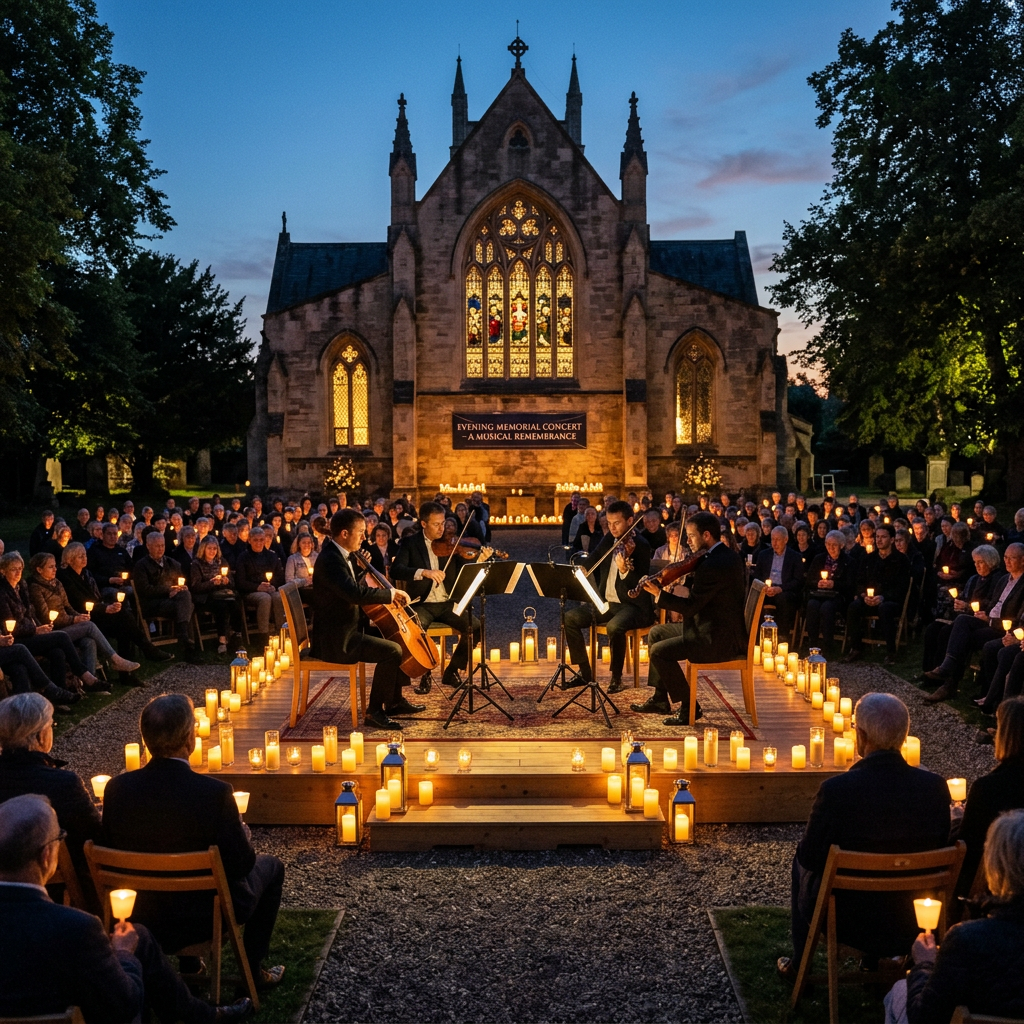
In memorial services, music is thoughtfully included to provide a comforting presence amid sorrow and reflection. Whether through familiar hymns, classical compositions, or songs that were significant to the person being remembered, the right piece can transport attendees to a shared emotional space. These selections often help people recall joyful moments, express unspoken feelings, and forge a collective memory among attendees. The act of singing together, or even listening in silence, nurtures unity and support at a time when individuals may feel most alone in their grief.
Community Initiatives and Concerts
Across the country, community initiatives and tribute concerts are held to commemorate influential figures and local heroes. These gatherings often spotlight music not only as a tribute but also as a catalyst for social change and healing. One recurring example is the Soulsville Foundation’s annual Power of Music Honors, which recognizes individuals and organizations using music to create positive change within their communities. By transforming grief into action and creativity, these larger events amplify the legacies of those lost, while also building stronger, more compassionate communities. You can learn more about this event and its impact at PR Newswire.
Therapeutic Benefits of Music in Grief
Music therapy is well-recognized for its capacity to provide comfort in times of loss. Through listening, singing, or composing new pieces, individuals process grief in a safe, expressive environment. Participating in music can reduce isolation, encourage emotional release, and offer moments of peace, making it an invaluable tool for anyone traversing the complexities of mourning. These therapeutic effects are not only supported by anecdotal evidence but also by research from major health institutions. According to the American Psychological Association, engaging with music can aid emotional regulation and reduce stress.
Preserving Cultural Memory Through Music
Music not only preserves individual memories but also protects the stories and resilience of entire cultures. Special organizations have arisen to honor the experiences of persecuted and marginalized groups. For example, Music of Remembrance in Seattle uses concerts and educational programming to keep alive the memory of communities that have experienced traumatic histories and injustice. Their performances foster an enduring respect for diversity and historical awareness, ensuring that the wisdom and artistry of past generations are not lost.
Personal Tributes and Memorial Songs
On a personal level, music serves as a vessel for intimate remembrance. Composing or dedicating a song to honor a loved one can be a profoundly meaningful gesture. Such personal tributes encapsulate the individual’s spirit and offer enduring comfort to friends and family. Whether the tribute takes the form of a custom melody, recorded anthem, or shared playlist, these musical gifts become treasured parts of family lore, connecting generations through shared emotion.
Global Events and Music Tributes
Globally, significant remembrance events rely on music to unite people in collective memory. National observances, such as Memorial Day, feature powerful musical tributes broadcast over airwaves or performed in public spaces. For example, radio stations like WHRO-FM dedicate special programming to compositions that honor those who served their country, helping listeners come together in a moment of unified remembrance. This ongoing tradition demonstrates how music can connect people across distances and differences.
Creating a Musical Tribute
To create a meaningful musical tribute, thoughtful planning and community involvement are key. Begin by selecting music that genuinely reflects the personality, values, and favorite genres of the person being honored. Invite family, friends, and other loved ones to participate – whether by contributing memories, lyrics, or musical talents. Incorporating personal elements such as favorite instruments or meaningful lyrics makes the tribute authentic and heartfelt. Finally, choose a venue that resonates, whether it is a cherished family location or a public venue significant to the individual’s life journey. Through each step, the goal is to foster connection and ensure the tribute reflects the legacy of the departed.
Conclusion
The universal language of music enables us to honor, remember, and celebrate lives with depth and compassion. Music’s ability to evoke emotion and connect people creates enduring legacies for those we have lost, whether through a simple song, community concert, or powerful cultural initiative. As we commemorate through music, we ensure that the spirit of loved ones continues to inspire and comfort us for years to come.
Discover more from The Cameron Journal
Subscribe to get the latest posts sent to your email.