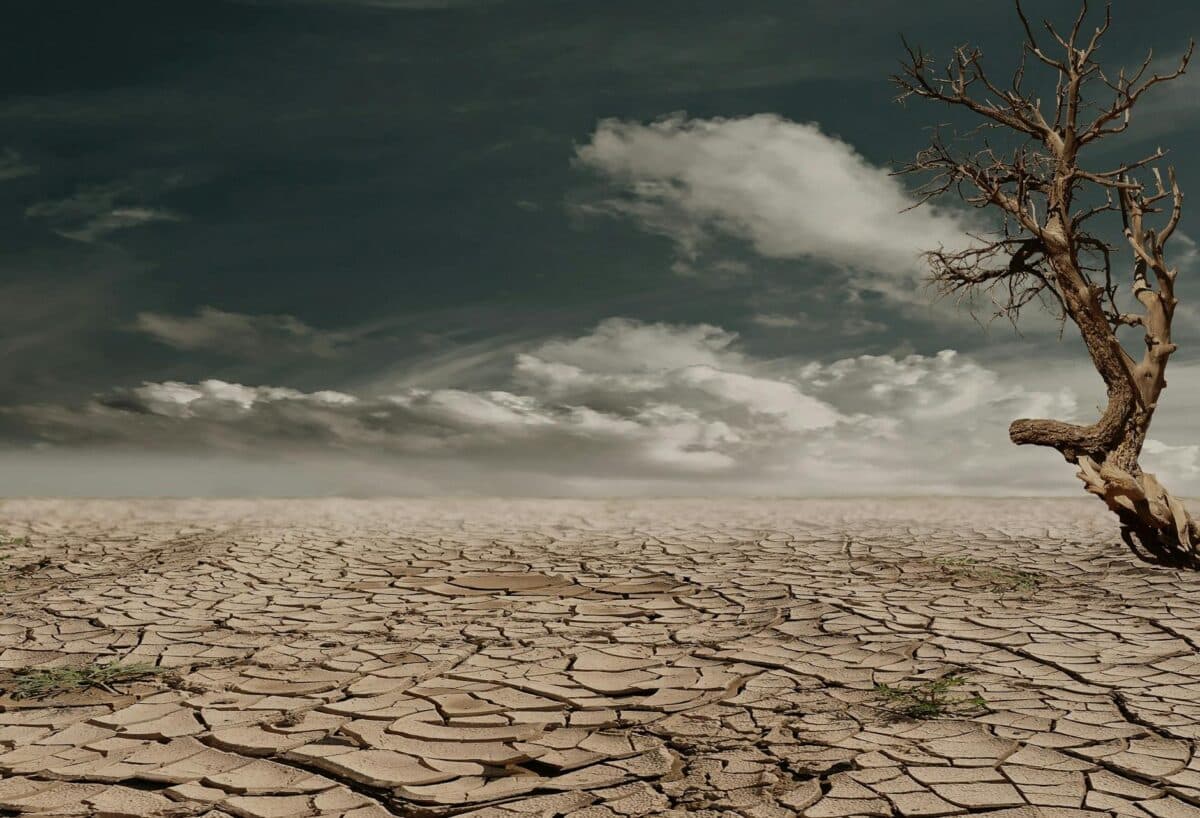
Climate change is no longer a distant threat, but a reality reshaping the world. The implications of rising temperatures, melting ice caps, and extreme weather events extend far beyond environmental degradation. The effects of methane emissions have also accelerated global warming and contributed to the urgency of addressing climate change.
One of the most pressing and often overlooked consequences is the potential for increased global conflict. As the planet warms, the interplay between climate change and conflict is becoming a critical issue that demands immediate attention from policymakers, security experts, and global leaders.
The Nexus Between Climate Change and Conflict
Climate change acts as a threat multiplier, exacerbating societal vulnerabilities and tensions. It can directly and indirectly influence conflict in several ways.
Resource Scarcity
As climate change progresses, essential resources such as water, arable land, and food become scarcer. Prolonged droughts, desertification, and changing precipitation patterns disrupt agricultural productivity, leading to food insecurity. This scarcity can trigger competition and conflict among communities and nations vying for dwindling resources.
For instance, in regions like the Middle East and North Africa, water scarcity is a longstanding issue. Climate change exacerbates this problem, heightening tensions between countries that share transboundary water sources, such as the Nile and the Euphrates. Disputes over water rights can escalate into full-blown conflicts, threatening regional stability.
Displacement and Migration
Extreme weather events, rising sea levels, and habitat loss force people to flee their homes in search of safety and stability. According to the United Nations High Commissioner for Refugees (UNHCR), an average of 23 million people are displaced annually due to climate-related disasters. These climate refugees often move to already densely populated urban areas or cross borders into neighboring countries, straining resources and infrastructure.
The influx of displaced populations can lead to social and economic tensions, fostering an environment ripe for conflict. In regions like Sub-Saharan Africa and South Asia, climate-induced migration has already contributed to tensions between host communities and newcomers, increasing the risk of violence and instability.
Economic Stress and Inequality
Poor communities, particularly in developing countries, lack the resources to adapt to changing environmental conditions. As livelihoods are disrupted, economic stress intensifies, and marginalized groups become more susceptible to exploitation, radicalization, and recruitment by armed groups.
In places like the Sahel region of Africa, where climate change has led to the desertification of vast areas, traditional pastoralist communities struggle to sustain their way of life. This economic hardship can push individuals towards joining militant groups, fueling cycles of violence and conflict.
Global Security Implications
The potential for climate change to drive conflict poses a significant threat to global security. As conflicts become more frequent and widespread, they can destabilize entire regions, creating a ripple effect that extends far beyond the immediate area. Key security implications include:
Increased Military Engagement
Countries may find themselves increasingly involved in military interventions to address climate-induced conflicts and humanitarian crises. This can strain military resources and budgets, diverting attention from other critical security concerns.
Disrupted Global Supply Chains
Conflicts in key regions can disrupt global supply chains, affecting the availability and cost of essential goods. For example, conflict in the Middle East could impact oil production and transportation, leading to fluctuations in global energy markets.
Strained International Relations
The competition for scarce resources can exacerbate geopolitical tensions between nations. Disputes over water rights, for instance, could lead to diplomatic conflicts or even military confrontations, further straining international relations.
Addressing the Threat
To mitigate the risk of climate change-driven conflicts, a multifaceted approach is necessary. Key strategies include:
Strengthening Climate Resilience
Investing in climate resilience measures, such as sustainable agriculture, water management, and infrastructure development, can help communities adapt to changing environmental conditions and reduce the risk of conflict. International cooperation and funding are essential to support these efforts in vulnerable regions.
Enhancing Early Warning Systems
Improved early warning systems can help predict and prevent conflicts by identifying climate-related stressors before they escalate into violence. These systems should integrate climate data with social, economic, and political indicators to provide a comprehensive picture of potential risks.
Innovating for a Sustainable Future
Embracing innovative solutions is critical for addressing the multifaceted challenges of climate change. Implementing eco-friendly technological advancements and sustainable practices can propel society toward a more resilient future. These innovations range from renewable energy technologies and sustainable agriculture practices to climate-smart infrastructure and water management systems.
Another effective method for mitigating climate change is monitoring large-scale methane emissions. Methane is a potent greenhouse gas, and innovations in monitoring technology can detect and reduce emissions more efficiently. Addressing methane leaks and emissions from sources such as agriculture, landfills, and the energy sector can significantly decrease the overall greenhouse gas emissions, slowing the rate of climate change and its associated risks.
Promoting Peacebuilding and Conflict Resolution
Efforts to promote peacebuilding and conflict resolution should consider the impacts of climate change. This includes incorporating climate adaptation into peace agreements and development projects, as well as supporting local initiatives that address both environmental and social challenges.
International Collaboration
Addressing the nexus between climate change and conflict requires international collaboration. Global agreements, such as the Paris Agreement, play a crucial role in mitigating climate change and its security implications. Countries must work together to reduce greenhouse gas emissions, support adaptation efforts, and share best practices for addressing climate-induced conflicts.
Final Word
Climate change is a looming threat to global security that cannot be ignored. Its potential to exacerbate resource scarcity, displacement, economic stress, and inequality poses significant risks for conflict and instability. By understanding and addressing the intricate relationship between climate change and conflict, we can build a more secure and resilient world for future generations. Immediate and coordinated action is essential to mitigate these risks and safeguard global security in an era of unprecedented environmental change.
Discover more from The Cameron Journal
Subscribe to get the latest posts sent to your email.