Key Takeaways
- An adult driver may generally refuse a preliminary roadside breath test.
- Colorado’s expressed-consent law governs a post-arrest breath or blood test and carries different consequences.
- Refusing, failing to complete, or failing to cooperate with a required chemical test can trigger a DMV revocation proceeding.
- A DMV license action and a criminal DUI or DWAI case are separate matters.
- Deadlines on DMV paperwork matter and should be reviewed immediately.
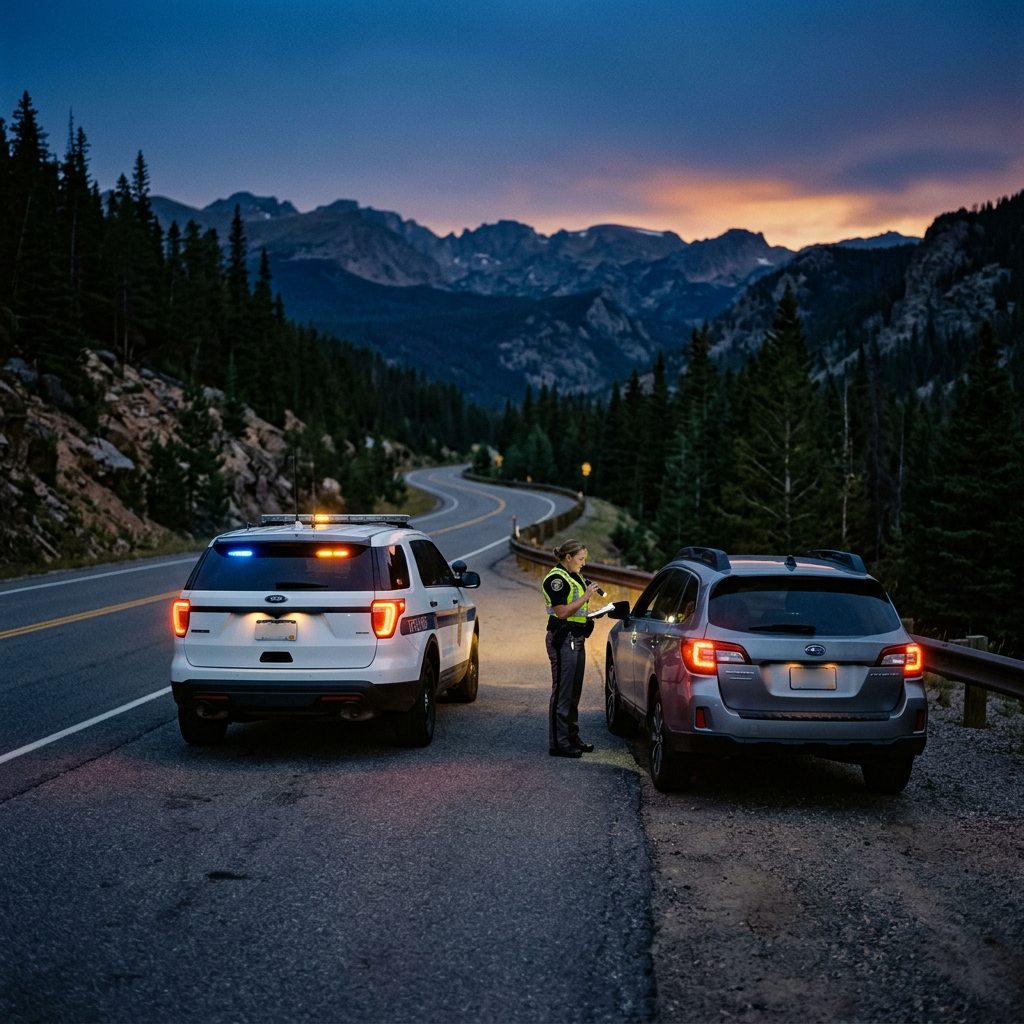
A Colorado DUI stop can quickly become confusing, especially when an officer asks for a breath sample. The short answer is that it depends on which test is being requested. A decision about testing can affect a criminal DUI or DWAI case, a separate DMV license case, and potential penalties for repeat DUI offenses if a driver has prior alcohol or drug-related driving matters. Colorado drivers should not assume that every device described as a “Breathalyzer” has the same legal effect. A preliminary roadside breath test is different from the evidentiary chemical test requested after an arrest. Understanding that distinction is important on mountain highways, Denver-area interstates, and local roads throughout Colorado.
Can You Refuse A Breath Test In Colorado?
The Preliminary Roadside Breath Test
A preliminary breath test, often called a PBT, is typically a portable roadside screening device. For drivers age 21 or older, an officer must generally advise that the driver may refuse or agree to provide a breath sample for this preliminary test. The result may help an officer decide whether probable cause exists, but the PBT is not the same as the later chemical test required under implied consent. Colorado’s explanation of roadside and post-arrest testing rules highlights this critical difference. Refusing a roadside PBT does not automatically end the investigation. An officer may rely on driving behavior, statements, physical observations, field sobriety exercises, witness accounts, video, and other information when deciding whether to make an arrest.
The Post-Arrest Chemical Test
After an arrest and a proper request based on probable cause, Colorado’s express-consent law applies. In general, a driver age 21 or older may request a blood test rather than a breath test. However, declining both options, or choosing one and then not completing or cooperating with it, can be treated as a refusal. This is why “I refused the breath test” does not always tell the full story. A person who declines a roadside PBT may later complete a chemical breath or blood test. Conversely, a person who initially selects a formal breath or blood test but does not complete it may face a refusal allegation.
What Can Happen After A Chemical-Test Refusal?
A refusal can lead to an Express Consent license revocation case through the Colorado DMV. For a first refusal, the DMV lists a one-year revocation, subject to the facts and outcome of the administrative case. The agency also identifies additional reinstatement conditions, which may include enrollment in Level II alcohol education or treatment, an ignition-interlock requirement after reinstatement, and proof-of-insurance requirements in some situations.
The officer may provide an Express Consent Affidavit and Notice of Revocation after a breath-test refusal. That document is not something to set aside until the court. It can establish a short deadline for requesting a hearing. The DMV’s Express Consent hearing procedures state that a person who receives notice from an officer generally has up to seven days to request a hearing.
The DMV Case Is Different From The Criminal Case
Colorado treats the license proceeding and the criminal prosecution as separate processes. The DMV hearing concerns driving privileges. The criminal court case concerns whether the prosecution can prove a DUI, DWAI, DUI per se, or another charged offense beyond a reasonable doubt. At a refusal hearing, the hearing officer may consider whether the person drove or controlled a vehicle, whether the officer had probable cause to request chemical testing, and whether the person refused or failed to cooperate in completing the test. A court dismissal does not automatically cancel a DMV revocation, and a DMV result does not itself decide criminal guilt.
Refusal Can Also Matter In Court
A refusal allegation may be admissible in a later DUI or DWAI trial. That does not mean a refusal proves impairment by itself. The prosecution still must meet its burden of proof, and the defense may examine the legality of the stop, the officer’s observations, the advisement given, the timing of events, medical limitations, communication issues, and whether the conduct actually amounted to a refusal. Evidence can include body-camera footage, dash-camera video, dispatch recordings, booking records, witness testimony, field sobriety instructions, and the exact language used when the test was requested. A careful timeline can be especially useful when the stop occurred late at night, during poor weather, or after a long drive through Colorado’s high-altitude terrain.
DUI, DWAI, And Drug-Impairment Investigations
Colorado DUI and DWAI cases are not limited to a measured alcohol concentration. DUI generally concerns driving while substantially incapable of safely operating a vehicle because of alcohol, drugs, or both. DWAI involves impairment to even the slightest degree. Prescription medication, cannabis, illegal drugs, fatigue, injury, and medical conditions can all become relevant to the facts of an investigation. In a drug-related case, an officer may seek testing under different procedures. A person should avoid guessing that a breath result, a negative roadside screen, or the absence of alcohol will resolve every possible allegation.
Developments And Special Circumstances
Colorado law in 2026 also recognizes specific circumstances involving serious crashes in which an officer may offer a voluntary preliminary alcohol screening test. That type of voluntary screening does not eliminate the separate express-consent rules that can apply after an arrest. Commercial drivers, drivers under 21, and people involved in crashes may face additional or different consequences.
Practical Steps After A Colorado DUI Arrest Or Refusal Allegation
- Keep every document provided by law enforcement, the DMV, and the court.
- Record the date, time, location, officer names, test requests, and what occurred during the stop.
- Calendar the DMV hearing deadline and every court date.
- Preserve potential evidence, including photos, receipts, messages, and witness contact information.
- Do not discuss detailed facts of the case on social media or by casual text messages.
- Confirm license status before driving.
- Speak with a qualified Colorado DUI defense attorney promptly about the specific facts and deadlines.
Conclusion
Yes, an adult driver can generally refuse a preliminary roadside breath test in Colorado, although the circumstances and purpose of the test should be distinguished from a formal chemical test. Refusing a post-arrest chemical breath or blood test is a different decision that may carry serious driver’s license and court consequences under Colorado law. The details of the request, the advisement given by the officer, the driver’s response, the type of test requested, and the timing of the test can all matter when evaluating what happened. Paperwork issued during or after the arrest may also contain important information about license actions, hearing rights, and applicable deadlines. Anyone facing a refusal allegation should act promptly, preserve relevant documents and evidence, and avoid assuming that the criminal case and DMV proceeding will follow the same process or timeline. Reviewing both portions of the case with a qualified Colorado legal professional can help clarify the specific requirements and potential issues involved.
Discover more from The Cameron Journal
Subscribe to get the latest posts sent to your email.