Key Takeaways
- Boat owners in Warsaw, Missouri, can get more from Truman Lake outings by planning before launch day.
- A repeatable safety and maintenance checklist helps prevent common on-the-water problems.
- Storage, ramp access, towing, fuel, and passenger comfort should guide the ownership decision.
- Local conditions on Truman Lake, from summer traffic to changing weather, make conservative trip planning valuable.
- Keeping clear records supports easier service, resale, and trade-in decisions.
For boaters in Warsaw, Missouri, ownership often means weekends on Truman Lake, fishing trips, family cruising, and time spent exploring quiet coves. Finding the right boats for sell is an important first step, but the best ownership experience comes from choosing a boat that fits the water, the crew, and the routine behind every outing.
Whether the goal is a bass boat for early mornings on Truman Lake, a pontoon for relaxed afternoons, or a versatile runabout for mixed use, local owners should consider more than the purchase price. Trailer readiness, storage space, launch habits, maintenance time, and safety equipment all shape how often a boat is actually used.
Warsaw’s location near Truman Lake offers easy access to the water, but a good day still depends on preparation. Wind can affect open water, afternoon storms can shorten a trip, and a busy ramp can add pressure for inexperienced operators.
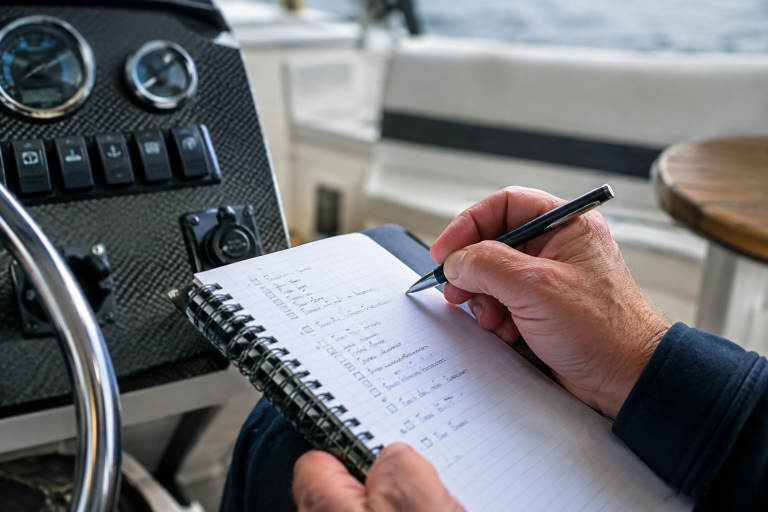
A simple system prevents rushed decisions. Keep a written launch checklist in the tow vehicle, use a separate onboard checklist for passengers and equipment, and make post-trip cleanup part of the return-home routine.
Start With a Realistic Ownership Plan
Begin by defining the boat’s main purpose. Consider how many people usually ride, whether fishing is a priority, how far the boat will be towed, and where it will be stored. Owners who decide that a different boat better matches their current needs can use a local option to sell my boat rather than holding onto equipment that no longer suits their time on Truman Lake.
Build an annual budget that includes registration, insurance, fuel, routine service, trailer care, cleaning supplies, storage, and unexpected repairs. A realistic budget makes it easier to enjoy the boat without postponing essential maintenance.
Review the Boat Before Purchase
Before buying a used boat, inspect the hull, deck, engine, steering, electrical connections, trailer, and paperwork. Look for soft flooring, cracks, corrosion, worn tires, damaged bunks, old fuel lines, and missing service records. A water test is especially useful because it can reveal steering issues, hard starting, vibration, or performance concerns that may not appear on the trailer.
For an older or higher-value vessel, a qualified marine survey can provide an added level of review. Buyers should also confirm that the capacity plate, hull identification number, title, registration documents, and trailer information are present and consistent.
Build a Complete Safety Kit
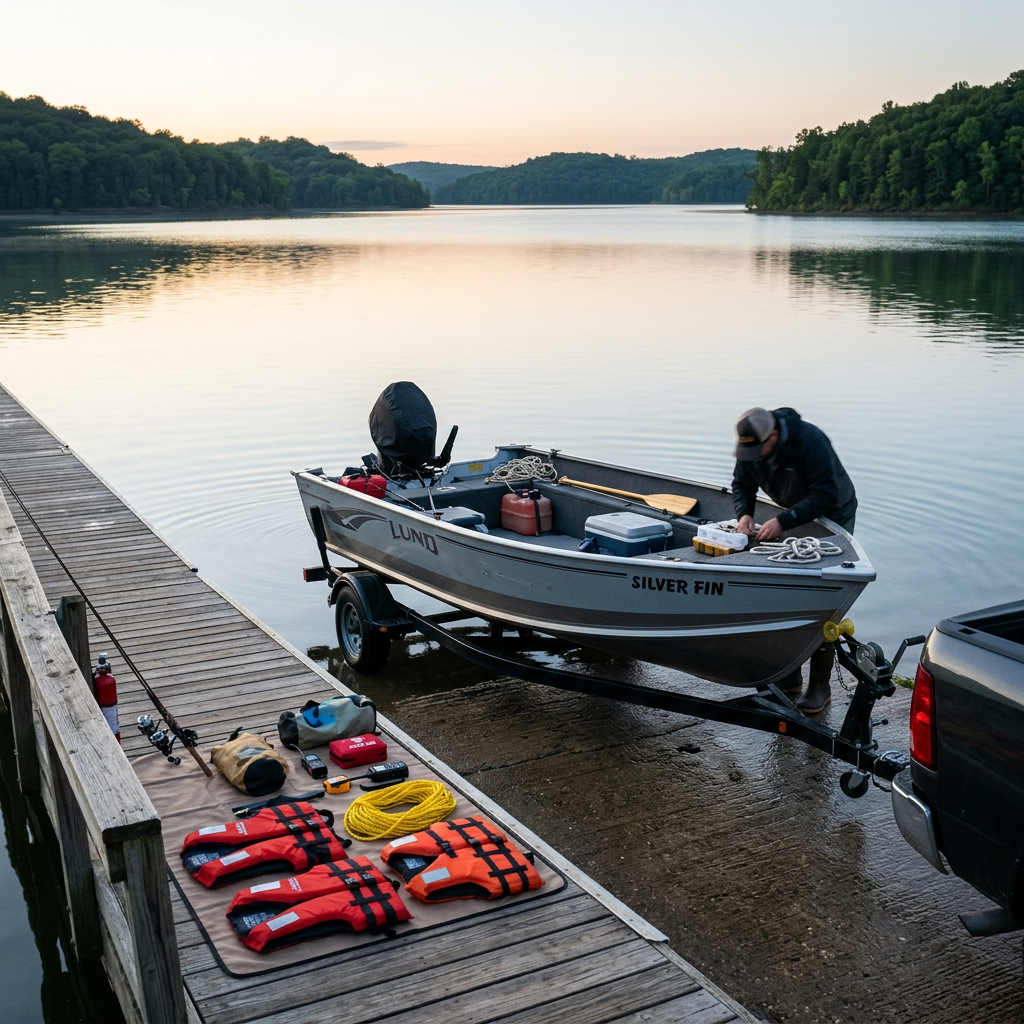
Every passenger needs a properly fitted, wearable life jacket that is easy to reach, rather than buried under gear. Carry a throwable flotation device, a fire extinguisher when required, a sound-producing device, navigation lights, a first-aid kit, an anchor and line, a flashlight, basic tools, spare fuses, and a charged communication device.
Federal rules and safety practices vary by vessel and operating area, so review the recreational boating safety guidance before heading out. It is also wise to tell someone ashore where the boat is going and when the group expects to return.
Create a Simple Maintenance Routine
Before Each Trip
- Confirm the drain plug is installed.
- Check fuel level, battery charge, steering, throttle, and bilge area.
- Inspect the propeller, visible hoses, and trailer connections.
- Verify that life jackets and required gear are onboard.
After Each Trip
- Remove food, trash, wet towels, and fishing gear.
- Check for loose hardware, new damage, or unusual odors.
- Dry compartments when possible and note issues for repair.
- Secure the boat and trailer before leaving the ramp area.
Follow the engine manufacturer’s service schedule for oil changes, filter changes, lower-unit service, winterization, and battery care. Addressing a small leak, weak battery, or worn trailer tire early is generally easier than dealing with a breakdown on a busy weekend.
Plan Each Trip Before Leaving the Dock
Check the forecast, water conditions, route, fuel range, passenger count, and return time. On Truman Lake, choose a route that matches the group’s experience and avoids pushing a small boat across rougher open water as conditions build. New operators should practice docking, backing a trailer, anchoring, and slow-speed turns during quieter periods.
Set expectations before departure. Explain where life jackets are located, how passengers should move around the boat, and what to do if the operator requires everyone to be seated or quiet while approaching a dock, ramp, or narrow area.
Control Fuel and Operating Costs
Plan the day around a sensible fuel reserve instead of running the tank close to empty. Avoid unnecessary weight, maintain the engine and propeller, and select cruising speeds that fit the boat and water conditions. Shorter trips from a familiar launch can reduce fuel use while still providing a rewarding day on Truman Lake.
Think About Storage and Water Access
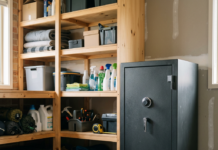
Choose storage that protects the boat and makes launching realistic. Home storage may be convenient for owners with adequate space, while covered, dry, and marina storage can reduce exposure and simplify access. At Harry S. Truman State Park near Warsaw, boaters can use a public four-lane ramp near the marina, while a separate two-lane ramp is reserved for campers during its operating season, so checking launch access details before a trip can prevent surprises.
Avoid Common New-Owner Mistakes
- Skipping the weather check or assuming conditions will remain calm on Truman Lake.
- Forgetting the drain plug or leaving loose gear unsecured.
- Overloading the boat with people, equipment, or coolers.
- Ignoring odd engine sounds, fuel smells, or trailer wear.
- Waiting until spring to discover a battery, tire, or lighting problem.
Common Boat Ownership Questions
How Often Should a Boat Be Serviced?
Follow the owner’s manual and consider engine hours, storage conditions, and frequency of use. A yearly inspection is a practical baseline for many recreational owners.
What Should Be Checked Before Every Launch?
Check the drain plug, fuel, battery, steering, trailer hookup, lights, safety gear, weather, and passenger load. This short routine can prevent many avoidable delays.
Is a Used Boat a Good First Purchase?
It can be, provided the condition is carefully evaluated. Review records, inspect the hull and trailer, test the boat on the water, and confirm that the paperwork is complete.
Conclusion
Boat ownership in Warsaw, Missouri, becomes more enjoyable when preparation is routine. The right boat, properly maintained equipment, reliable safety gear, and a clear plan for each Truman Lake trip can help owners spend less time solving problems and more time enjoying Missouri’s water.
Discover more from The Cameron Journal
Subscribe to get the latest posts sent to your email.