Something’s shifting in how we work, think, and create. After years of being glued to screens, more people are reaching back for old-school tools and finding real value in them. Because life feels better with some balance. Picking up a pen or winding a film camera slows everything down just enough to remind us that ideas need space, not just speed.

Why Analog Still Matters
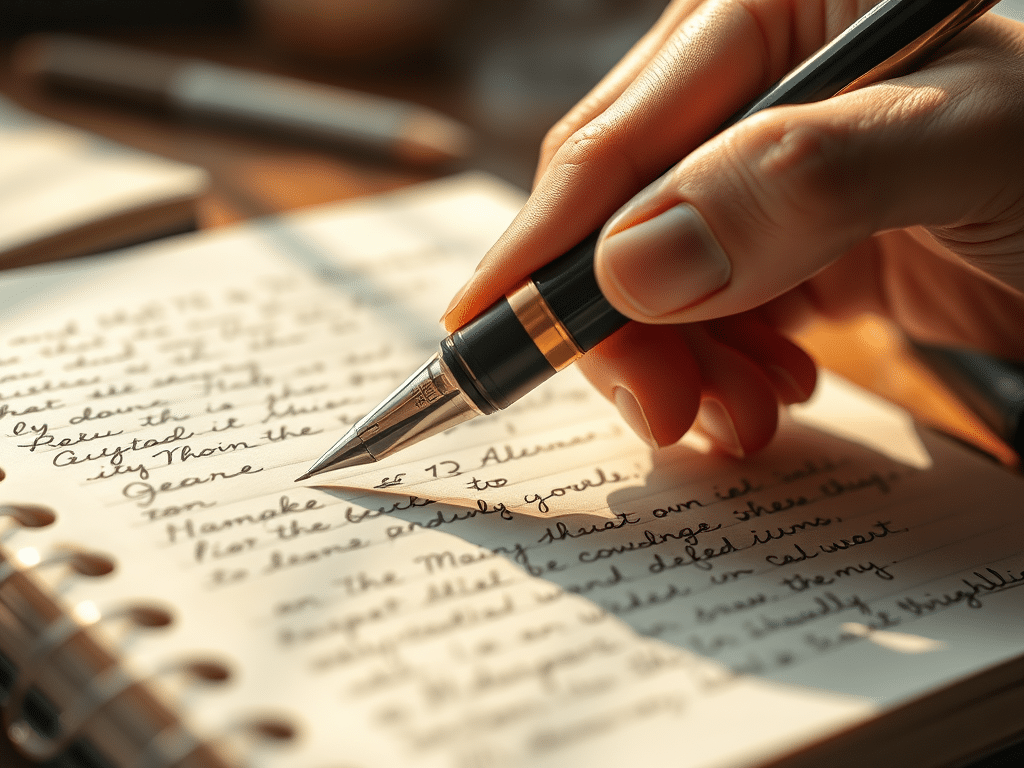
Grab a pen and scribble out a note. Notice how each letter takes shape, how you pause for a second before the next thought, how your hand guides the page along. It locks your attention in the moment. Typing, on the other hand, can slip into autopilot. Handwriting demands presence. The same thing happens when you flip through a book or drop the needle on a vinyl record. These tools don’t just get the job done; they turn it into an experience.
Creativity Gets Room to Breathe
Many artists, writers, and thinkers keep at least one analog practice because it fuels creativity in a way screens can’t. Your notebook isn’t going to prod you with notifications. Your sketchbook isn’t going to prompt you to swipe. Even the smell of graphite on paper or brush on panel gets the brain shifting gears. Simple physical rituals tend to shake loose new ideas and give imagination room.
Focus Has a Further Comprehension
Screens are interruption-fragmenting technologies. Tabs are ubiquitous. Notifications pile up. Mind and attention are conditioned for interruption. Analog tools resist by insisting on a slower pace. A fountain pen doesn’t autocorrect. A film camera involves waiting before one gets results. These few limitations are blessings because they teach patience and focus. Delay of immediate feedback allows for more full attention at the moment.
Balance Becomes Tangible
It is far easier to navigate life when the pace is not governed by apps and upgrades. Making the choice of bringing analog tools within the daily flow brings deliberate downtime between oneself and digital distraction. For some, it is writing a morning page before ever grabbing a phone. For others, it is listening to vinyl while doing dinner prep. Even businessmen like Alex Kleyner have spoken about the requirement of grounding practice as a way of staying grounded within frenetic environments. These are not about rejecting the use of technology but being allowed to press the mental-reset button.
Simple Ways to Bring Analog Back
Begin with what is comfortable. Carry a pocket notebook for spontaneous ideas rather than grabbing your phone yet again. Give a paper calendar a try to accommodate the week’s highlights. Have nights of board games with your friends rather than falling back on streaming nights. Give film photography a try or leave a voice memo on a cassette tape if you can use a little nostalgia.
Back That Fades Away
Analog tools show us that forward doesn’t necessarily mean faster or more. It can mean slower, noticing details, being fully present with a thing. Returning these disciplines to daily life can evoke creativity, anchor attention, and rebalance. Digital life isn’t going anywhere anytime soon, but analog options are quietly making a return, and people are being offered real-world ways of taking attention back and being more fully present with oneself and the world.
Discover more from The Cameron Journal
Subscribe to get the latest posts sent to your email.