A Kenya safari is a long distance to travel with kids, but it’s worth every hour of the flight. Children who have never seen lions in person watch a lion pride wake up at dawn. Teens put down their phones. It requires more planning than a trip to Bali or Fiji, but Kenya is well equipped for families and a private trip eliminates much of the friction. This guide provides information for Australian families.
Is Kenya a good country for Australian families?
For most, yes. English is widely spoken, Kenya has good roads to the main parks and a good selection of family friendly camps. Game viewing is done from the car and children do not walk far in the heat. The biggest challenge is the flight, one stop and about 20-22 hours from the east coast, so allow a slow first day in Nairobi to recuperate before the safari begins.
The most significant factor is age. Game drives are best for children of approximately six years old and older, as they are able to sit for a couple of hours and enjoy the experience. Some camps have minimum ages for safety reasons, but family-oriented properties may accept younger children.
Best parks for kids
- Masai Mara: open plains, easy big-cat sightings, and the Great Migration from July to October.
- Lake Nakuru: small, rhino and flamingos, short drives, shorter attention span.
- Ol Pejeta Conservancy: where the last two northern white rhinos on earth, both female, Najin and Fatu, are under 24-hour guard, and a chimpanzee sanctuary and conservation activities for children are also in place.
- Amboseli: large elephant herds under Mount Kilimanjaro, a favourite for younger children.
The importance of a private vehicle
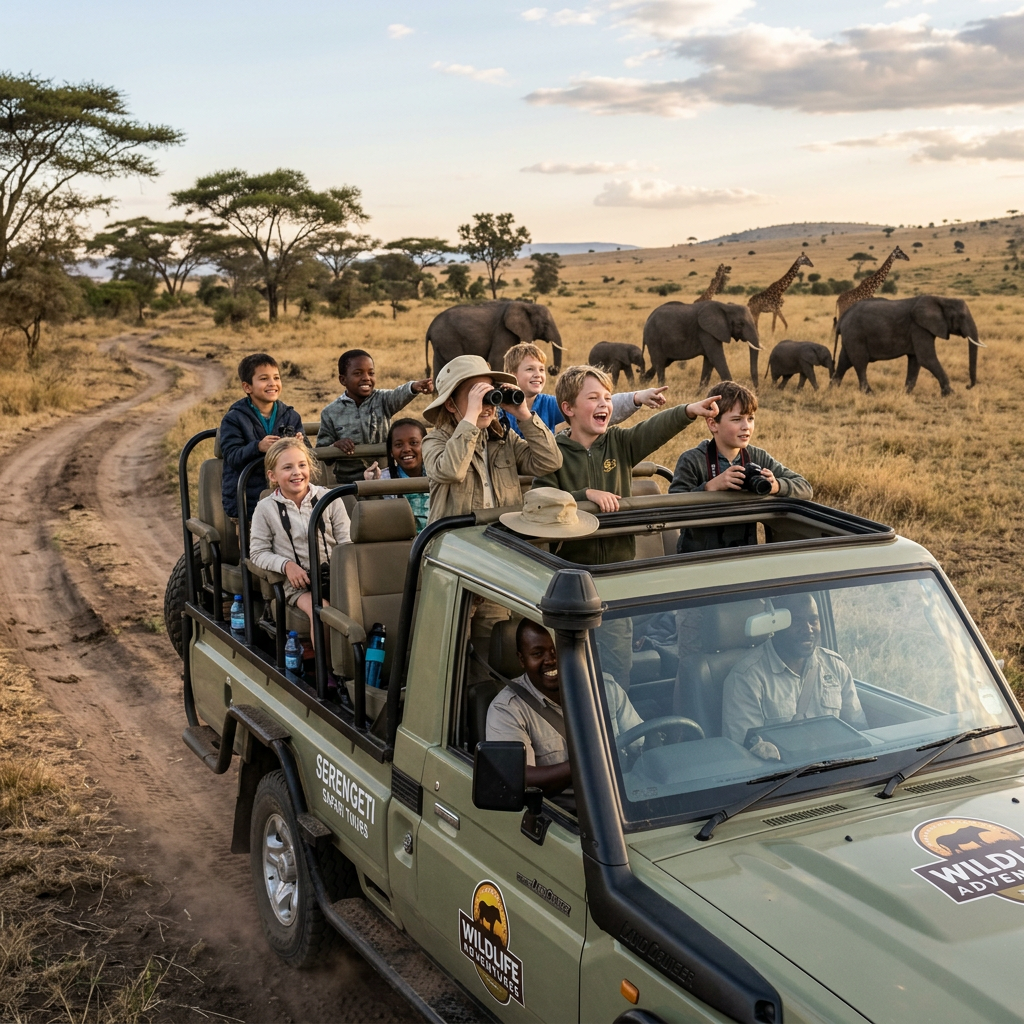
In a shared tour, your family fits around strangers. When it’s a private trip, it’s your car: you decide when to start, when to stop for a break, and when to turn around and go back to camp when the little ones are getting tired in the heat. A good guide pitches the day to the ages in the car and runs spotting games for younger children. It’s the largest single factor that makes a family trip work, and it’s standard on a well-planned Kenya family holidays.
Health and the long flight
Most safari areas are malaria zones, so see a travel doctor well before you fly to sort antimalarials for the whole family and check vaccinations. On the actual flight, take the Nairobi overnight, bring entertainment that has been downloaded beforehand, and make the first safari day easy. Safety on the ground is simply a matter of following your guide and using the camp escort at night in unfenced areas.
What to pack for the kids
Pack light and neutral. On game drives, bright shirts and pure white are a show-stopper, so opt for khaki, green and brown. Layers are important as mornings are cold and midday is hot, and all children should have a wide-brim hat, high factor sunscreen and a water bottle. They carry a small daypack with binoculars, a wildlife checklist and a snack, which keeps them engaged. Closed shoes for the bush and sandals for camp will take care of most requirements and don’t forget any regular medicines and a basic kit for cuts and upset tummies.
Keeping kids engaged
Even keen children tire of long drives. Take rest days or half day drives instead of dawn to dusk drives and look for camps that have a pool for the heat of the day. Binoculars for little hands, a checklist to mark off, and a camera they can use make watching into taking part. Allow them to identify and name animals and a good guide will play a quiet game of who-sees-what to keep younger ones alert.
Food and fussy eaters
Camps are accustomed to feeding kids and typically provide basic choices in addition to the menu: pasta, rice, chicken, fruit, and familiar breakfasts. If your child is a nervous eater, let the booking staff know and again on arrival. Pack some of your favourite snacks from home for the long trips and only use bottled water that is offered during the trip.
How long to go for
A week to ten days on the ground makes the long haul worthwhile without exhausting the children, with the flight factored in. A popular family safari is the Masai Mara, Lake Nakuru and Amboseli. A couple of days off at some quiet place allows everyone to digest what they’ve seen before heading home.
The reasons why families select a licensed operator
When travelling this distance with kids, it is better to book with a registered company than an informal guide. A licensed tour operator in Kenya has family-friendly vehicles and guides, and someone is responsible if plans change. With children in the car, that peace of mind is more important.
When to go
The July winter school break falls during peak season and the river crossings, making it the best (if not the busiest) family window. September to early October break is the tail end of the migration with slightly less numbers. For more information on timing, look into the best time to visit Kenya.
Making the flight easier with children
The long haul is the most difficult part of a family safari, so plan accordingly. Select an overnight leg to Nairobi so the kids can sleep, download lots of entertainment beforehand as signal is weak later, and bring snacks and change of clothes in the carry-on. Stay in Nairobi overnight on arrival to shower and sleep before the first game drive. The journey is broken up into stages and is very manageable, and children cope better than parents think when the animals come into view.
Teenagers on safari
Kenya Safaris are not only for younger kids. Teenagers tend to enjoy it the most when they are not in front of a screen, particularly when a camp provides walking safaris, photography, or time with the guides and trackers. Provide an older child with a camera and let him or her take ownership of the trip. The walking and night drives of the conservancies are ideal for teens.
What it costs
Family vacations can fit a variety of budgets. Transport is shared between the group, so larger families may pay less per person than a couple, and many lodges offer a discount or even free transport for children travelling with their parents.
Peace of mind for parents
Parents are concerned about health, safety and the unexpected. A good operator will plan for all three: sensible pacing, camps used to families, experienced guide, and support on the ground if anything changes. The logistics are out of the way, so you can enjoy watching your kids experience the wild for the first time.
Planning your trip
The best family safaris are not ones that are crammed around the kids, they are ones that are made for the kids. With the ages of your children, the amount of time you have, and the speed you want, a good operator can create a private route that keeps everyone entertained.
Discover more from The Cameron Journal
Subscribe to get the latest posts sent to your email.