Key Takeaways
- Reduce lawn areas to minimize mowing and watering.
- Incorporate native plants and drought-tolerant species.
- Use hardscaping elements such as gravel and stone.
- Implement efficient irrigation systems.
- Choose low-maintenance ground covers and perennials.
Table of Contents
- Rethinking the Traditional Lawn
- Embracing Native and Drought-Tolerant Plants
- Incorporating Hardscaping Elements
- Efficient Irrigation Systems
- Low-Maintenance Ground Covers and Perennials
- Container Gardening for Flexibility
- Mulching for Weed Control and Moisture Retention
- Conclusion
Creating a landscape that stands out does not mean you have to put in hours of labor each week. Homeowners today are seeking outdoor spaces that balance visual appeal with practical, low-maintenance features. By making strategic choices, you can have a beautiful yard that fits your lifestyle. If you are seeking expert assistance with your project, solutions like landscape design in Marshall, VA can help bring your vision to life.
The goal is to strike a balance between lush aesthetics and minimal intervention. With thoughtful plant selection, appropriate structural elements, and efficient maintenance, a modern landscape can thrive season after season. Let us explore how simple changes can yield long-lasting rewards for your property’s value and personal enjoyment.
A well-designed low-maintenance landscape can also help conserve natural resources, protect pollinator habitats, and save homeowners substantial amounts on their water bills. According to the Homes & Gardens article on low-water garden design, reducing turf areas not only saves time but can cut chemical and irrigation dependence. These shifts create sustainable, enduring spaces, making them ideal for busy households or those eager to reduce their environmental footprint.
While many design options are possible, prioritizing sustainability and usability ensures your landscape is both functional and beautiful. With modern approaches, you can design a backyard retreat or front yard statement that fits today’s lifestyle and tomorrow’s needs.
Rethinking the Traditional Lawn
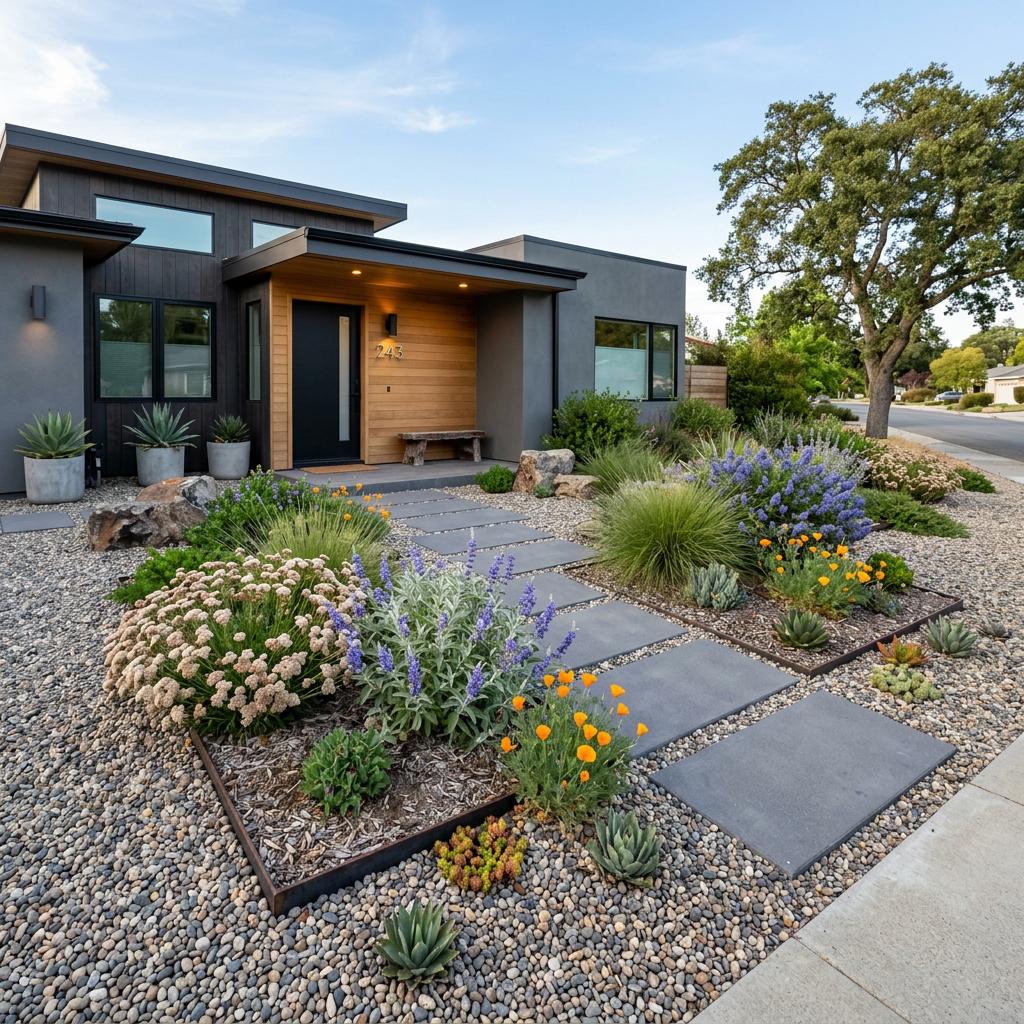
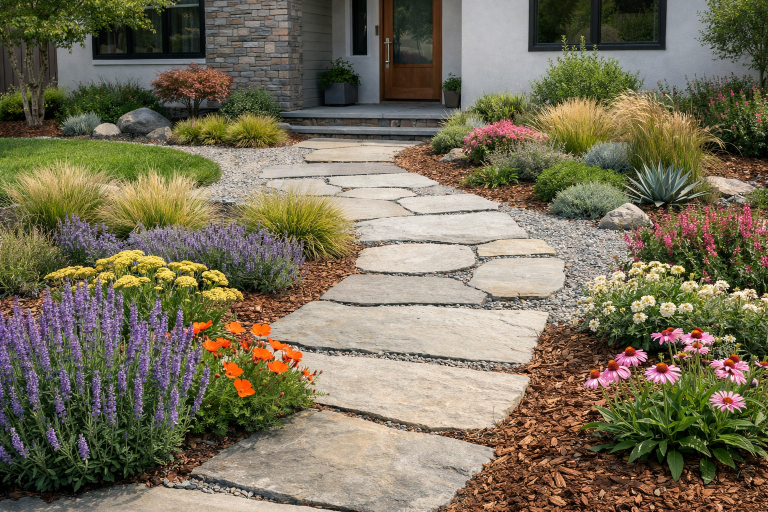
Lawns are synonymous with suburban landscapes, yet they are among the most labor-intensive and water-hungry features. By shrinking your turf or removing it altogether, you drastically reduce the mowing, fertilizing, and irrigation needed. Swapping traditional sod for low-mow grasses, ornamental species, or rock gardens creates layers of visual interest without the constant chores. Gravel gardens or xeriscaped beds offer drainage and texture, reducing mud and weeds.
Embracing Native and Drought-Tolerant Plants
The backbone of a manageable yard lies in its plant palette. Native plants flourished in your region long before lawns were the norm, so they naturally require less water and fertilizer to thrive. Species such as purple coneflower, switchgrass, and black-eyed Susan not only look attractive but also support local habitats. Adding drought-tolerant options, such as succulents, lavender, or Russian sage, boosts your landscape’s resilience and reduces the need for specialized care. Not only do these plants save resources, but they showcase a landscape’s unique sense of place.
Incorporating Hardscaping Elements
Strategic hardscaping instantly reduces maintenance demands while establishing a long-lasting structure. Paths made from stone, gravel, or poured concrete can reduce weedy zones and guide foot traffic, protecting delicate plants. Patio spaces, retaining walls, and raised beds define the landscape and provide areas for relaxation or entertaining. Unlike lawns or flower beds, these features do not require watering and only minimal periodic cleaning or maintenance, making them ideal for a modern backyard or front yard solution.
Efficient Irrigation Systems
Watering by hand or using traditional sprinklers can be inefficient and time-consuming. Drip irrigation systems, which deliver water directly to plant roots, prevent waste from evaporation and overspray. These systems help you maintain lush planting beds with minimal water usage and effort. Many options now allow for programmable timing and remote operation, ensuring your plants stay healthy even when you are away. According to the Los Angeles Times article on drip irrigation, drip irrigation is one of the top time-saving upgrades for busy homeowners.
Low-Maintenance Ground Covers and Perennials
Ground covers, such as creeping thyme or sedum, create a living carpet that helps smother weeds and retain soil moisture. These species thrive in places where grass struggles, reducing the need for constant mowing and edging. Perennials like daylilies, asters, or coneflowers return year after year with little intervention, supplying enduring color and texture. When grouped thoughtfully, they minimize gaps where weeds might invade and create a cohesive, lush look across all seasons.
Container Gardening for Flexibility
Another option for minimizing upkeep while maximizing impact is container gardening. With planters, pots, and movable beds, you can rotate your favorite flowers or edibles to adapt to seasonal light, weather changes, or design preferences. Containers are also invaluable for growing plants that require specialized soil or drainage. This method’s flexibility means you can update or rearrange your landscaping quickly and with minimal disruption, keeping your garden fresh year-round.
Mulching for Weed Control and Moisture Retention
Applying a natural mulch, such as bark, wood chips, or compost, across your garden beds offers several easy-maintenance benefits. Mulch locks in moisture, reducing watering needs, suppresses weed growth, and protects roots from extreme temperature shifts. Over time, organic mulch breaks down, improving soil health, feeding beneficial microbes, and ensuring your plants flourish with less supplemental fertilizer.
Conclusion
Adopting low-maintenance landscaping techniques pays off in beauty, relaxation, and sustainability. Rather than struggling with continuous chores and water bills, you will enjoy an outdoor space tailored to fit your needs and schedule. By prioritizing native and resilient plants, incorporating hardscape features, and using efficient care strategies, your yard will not only reflect your personal taste but also stand the test of time. A modern, easy-care landscape is both a sanctuary and a smart investment in your property’s future.
Discover more from The Cameron Journal
Subscribe to get the latest posts sent to your email.