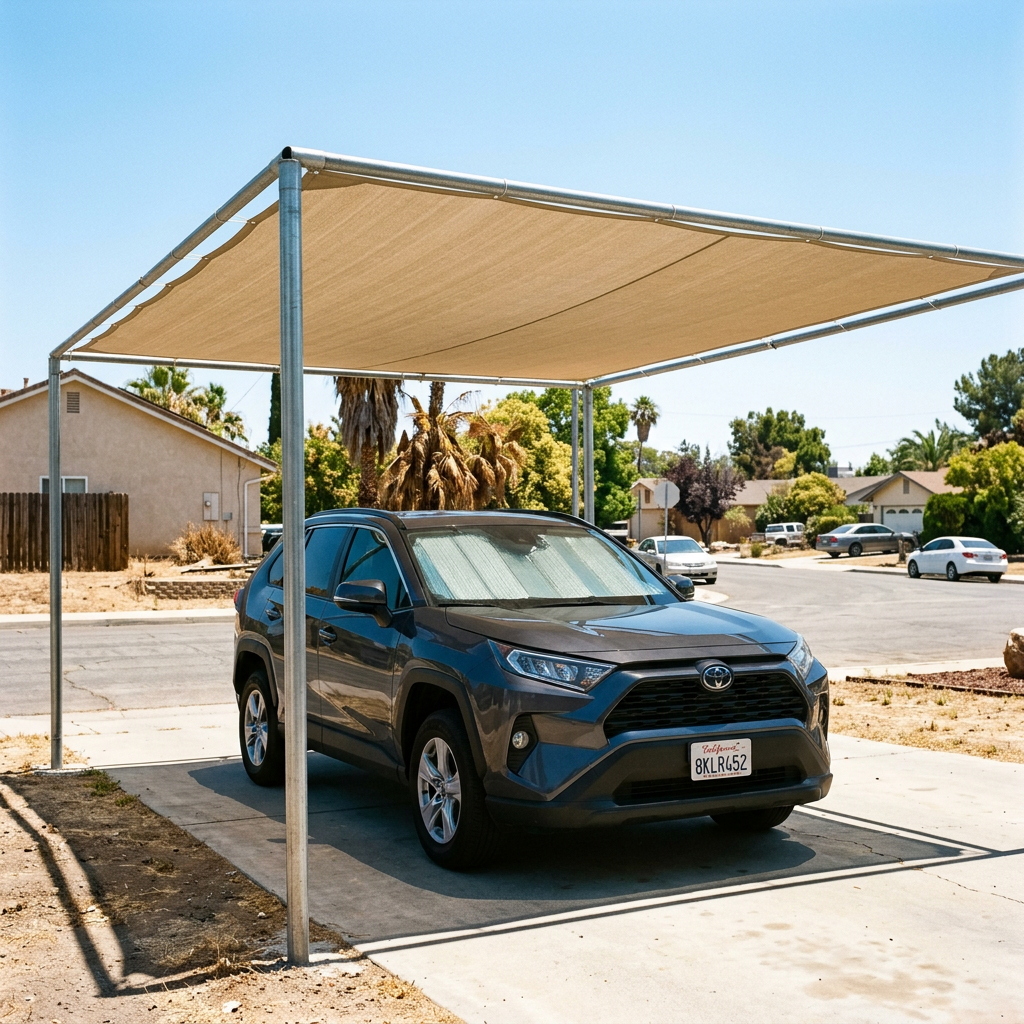
Summer brings road trips, beach days, and unfortunately, brutal heat that can quietly destroy your vehicle from the inside out. While most drivers meticulously check their oil and tire pressure before a long summer drive, interior protection often becomes a secondary thought. However, baking in the sun day after day accelerates wear and tear, turning a pristine, comfortable cabin into a faded, cracked environment. Protecting your vehicle is about more than just keeping the steering wheel cool to the touch. It requires building mindful daily habits that safeguard your investment from relentless ultraviolet rays and soaring temperatures. A little bit of prevention goes a long way in maintaining a pleasant driving experience.
The Invisible Threat of Cabin Heat
We all know the uncomfortable feeling of opening a car door on an August afternoon and being hit by a wave of trapped, scorching air. However, the speed at which this heat accumulates is often vastly underestimated by the average driver. According to the National Highway Traffic Safety Administration, the temperature inside a car can reach over 115 degrees when the outside temperature is just 70 degrees. This rapid escalation creates a greenhouse effect that traps thermal energy inside the cabin, raising the internal temperature by more than one degree per minute during the first half hour of exposure. Researchers from Arizona State University have even found that a dashboard sitting directly under unshaded glass can easily hit 160 degrees in about an hour. Leaving the windows cracked an inch or two provides negligible airflow and is entirely insufficient to stop this compounding radiant heat.
Creating a Daily Defense Strategy
To actively lower overall cabin temperatures, you need to block ultraviolet rays before they penetrate the glass and bake the interior surfaces. This makes proactive parking strategies an essential daily habit. Whenever possible, choose parking spots facing away from the direct afternoon sun or utilize covered parking structures and home garages. When those ideal options are unavailable, the most practical solution is to form a physical barrier against the sunlight. Taking a moment to unfold and set up a folding windshield sun shade takes only a few seconds, but it drastically reduces the thermal stress placed on your dashboard and front seating area. By reflecting the sun away from the cabin, you prevent the steering wheel, leather seats, and sensitive electronic components from absorbing the most intense daytime heat.
How Extreme Temperatures Damage Modern Components
Older vehicles primarily suffered from faded fabric and cracked plastic trim, but modern automotive interiors face a much more expensive set of vulnerabilities. Automakers are integrating increasingly sophisticated electronics, touchscreens, and digital displays into dashboard layouts. These systems sit directly in the line of fire for solar radiation. Consistent exposure to intense summer heat can lead to a variety of costly problems:
- Touchscreen Delamination: The heat-sensitive gel adhesive holding your infotainment screen together can break down, causing visible bubbling and permanent separation between the glass layers.
- Ghost Touches: As the digitizer degrades under high temperatures, the digital screen may begin registering false inputs, randomly changing navigation settings, or skipping music tracks on its own.
- Material Degradation: Ultraviolet radiation actively breaks down chemical bonds in cabin materials, causing premium leather seating to dry, stiffen, and crack prematurely under the thermal stress.
- Electronic Failures: Excessive heat buildup near the windshield can severely shorten the lifespan of delicate circuitry and lead to intermittent sensor issues across the digital cluster.
Replacing a heat-damaged factory touchscreen system or a warped dashboard can cost thousands of dollars in parts and labor. Furthermore, standard comprehensive auto insurance rarely covers this type of environmental wear and tear.
Preserving Your Vehicle for the Long Haul
Treating heat protection as a non-negotiable daily habit pays off significantly when it comes time to trade in or sell your car. Dealerships and private buyers closely inspect the physical condition of the interior, and visible sun damage immediately lowers the appraised resale value. As noted in a comprehensive guide on the importance of proper vehicle care, seasonal extremes take a major toll on your vehicle over time, making proactive summer protection just as crucial as routine mechanical checkups. Shielding your interior preserves the structural integrity of your dashboard components, keeps the upholstery looking fresh, and ensures that delicate electronics continue functioning flawlessly for years to come. By taking a few extra seconds to secure your vehicle from the sun before walking away, you ensure a cooler ride today and a significantly better return on your investment tomorrow.
Discover more from The Cameron Journal
Subscribe to get the latest posts sent to your email.