
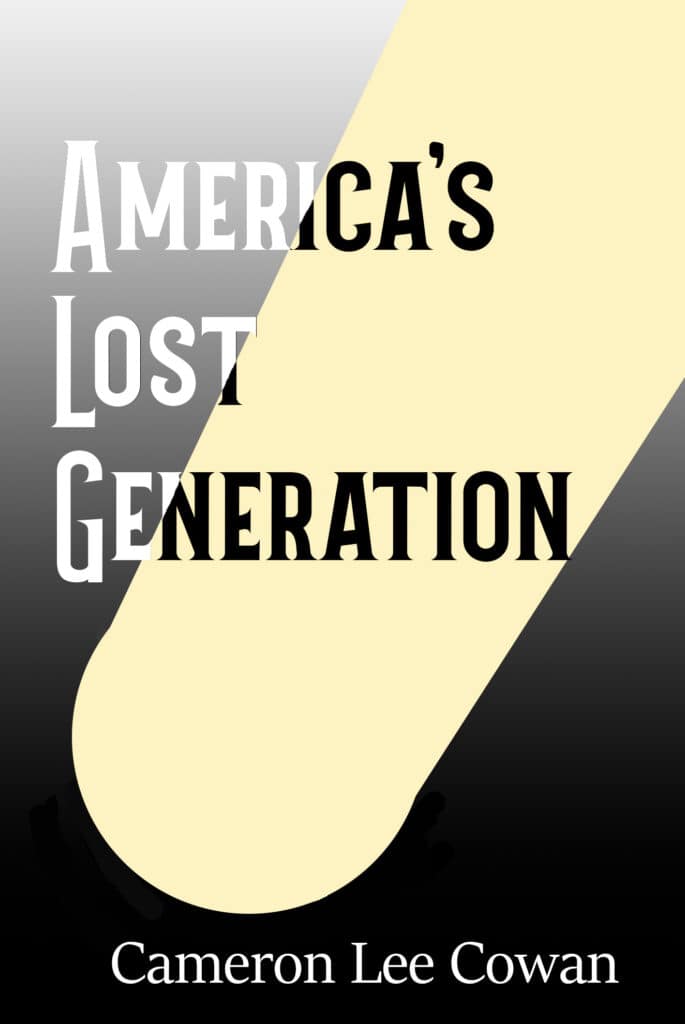
Pre-order America’s Lost Generation now!
Every few months, the media cycles through the same tired narrative: Boomers blame Millennials for being entitled; Gen Xers complain about everyone; Gen Z throws shade with meme-savvy precision. The result is a game of generational hot potato, each group lobbing stereotypes and blame for the nation’s woes. But here’s what gets lost in all these soundbites: these narratives aren’t just unhelpful—they actively obscure the real, structural problems we ought to be solving together.
In my work on America’s Lost Generation, I lean into firsthand interviews, economic data, and lived experience to show that the “generational war” is largely a media invention. These divisions can feel real—after all, it’s easier to vent about avocado toast than to tackle student debt legislation. But when I talk to Boomers who came of age when college cost a few weeks’ salary, or to Gen Z readers worried about climate collapse, the same pain points keep surfacing: stagnant wages, unaffordable housing, and institutions that serve fewer and fewer each year.
No One Wants to Work Anymore
Take the perennial debate about work ethic. As I wrote in The Cameron Journal’s “Millennial Antipathy,” Millennials have been maligned as lazy or disloyal workers, but when you zoom out, the data tells a different story: we work longer hours, are more educated, and yet see less upward mobility than our parents. The label of generational failure creates a convenient mask that covers up how rules around employment, debt, and healthcare have shifted far faster than personal habits ever could. Policy failures are camouflaged by personality-based headlines.
That’s by design. Politicians and pundits love to pit generations against each other because it distracts from holding anyone accountable for broken promises. In “What the Hell is Going On?” I unpack how the churn of cultural antagonism became a substitute for actual progress, with each side weaponizing nostalgia, self-help, or “real talk” while the ladders of opportunity are quietly pulled away.
What do we gain from distracting ourselves with generational stereotypes? Not much—except maybe the fleeting comfort of believing our difficulties are someone else’s fault. But as I show in America’s Lost Generation, divisions in society run deeper than age. Race, class, geography, and, above all, structural shifts—like the automation of jobs, the deregulation of markets, and the collapse of union power—shape outcomes for every generation. If you want to understand why Millennials and Gen Z are so frustrated, look at the systems, not the memes.
What Happened?
International perspective matters here as well. Japan’s experience with its “lost generation” is strangely familiar. There, too, cultural stereotypes and intergenerational tension were used to deflect hard questions about institutional reform and accountability. The result? Two decades of slow-motion decline, as opportunities narrowed and the blame game intensified.
The alternative is challenging, but possible: honest policy critique. What if, instead of arguing about which group “had it harder,” we asked why a society as wealthy as ours makes basic stability so difficult to achieve? What if politicians stopped scolding young people for not buying houses, and instead tackled the financialization of housing? What if we listened to older Americans worried about retirement insecurity, not to scoff, but to build bridges for collective solutions?
I’ve written before about the freedom that comes when we move past blame and begin to imagine what a fair shot might look like. In The Cameron Journal’s “The Real Problem with Society: We Have No Grit?” I dig into what true resilience demands of us—not just as individuals, but as citizens holding our leaders to account.
Where Do We Go from Here?
Our divisions aren’t set in stone. As Millennials, we can resist the urge to vilify or idealize other generations. We can insist on focusing the conversation where it actually matters: good policy, equitable opportunity, and an honest reckoning with the hard truths that statistics and personal stories alike make clear.
If you’d like to untangle more of these generational myths, I invite you to explore the archive on The Cameron Journal or dive into America’s Lost Generation. This work isn’t about finding the “bad guys” in another age group; it’s about building the coalitions we desperately need for a future that works for all of us.
Discover more from The Cameron Journal
Subscribe to get the latest posts sent to your email.