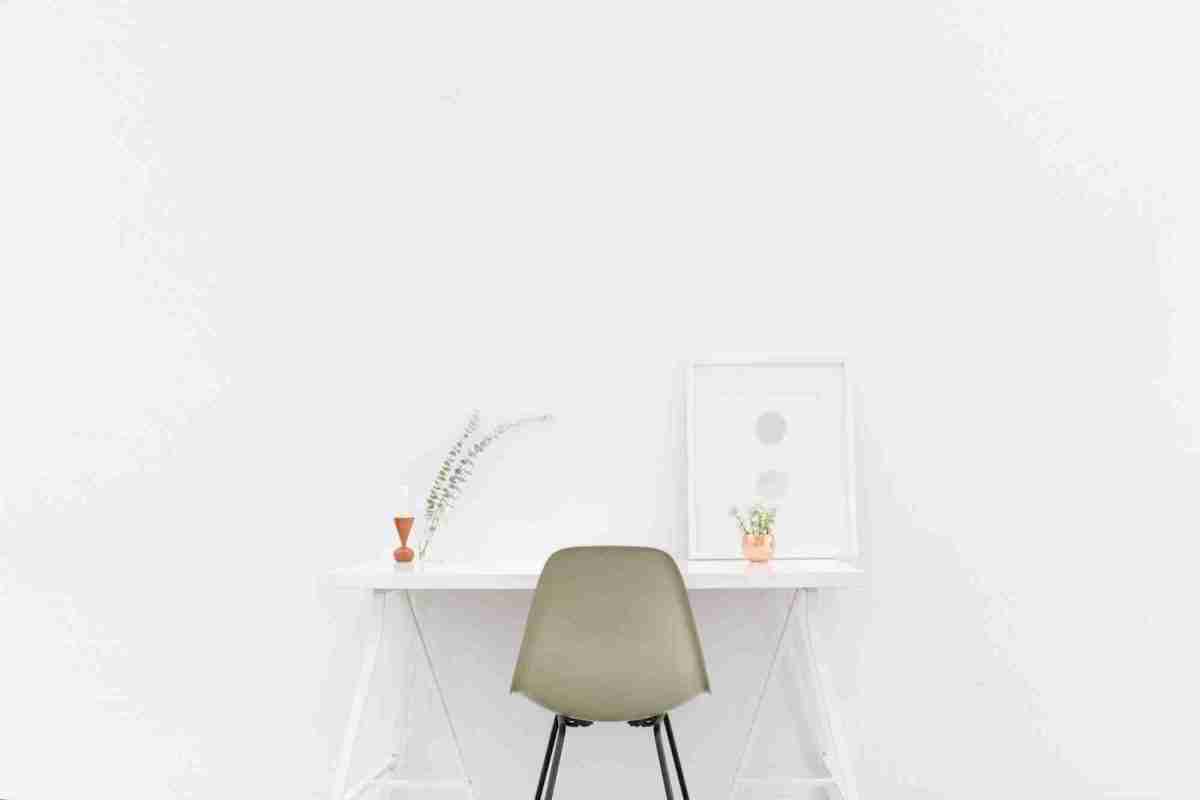
2019 saw the rise of Marie Kondo and her radical reduction of stuff by getting rid of anything that doesn’t spark joy. However, the idea of minimalism, which is only having the most essential items needed for life, is not a new one. However, within minimalism, as an idea, there is a great deal of privilege. It’s much more fashionable to live with very little when you could afford much more.
Minimalism is Economic Privilege
Many online experts will extol minimalism as the ideal way of life. Still others will remark that the poor should follow minimalism most of all: why pay for things you can’t afford to start with? On the face of it, that seems like a good idea but when you dig into it the privilege comes right out. It’s much like that old yarn about boots. He who can buy boots that won’t wear out for a long time will always be far ahead of the man who must buy boots regularly and waste money. Living with less has a great deal of appeal when you can afford to have more and do more or simply buy quality goods. But living simply with low-quality goods that are practically guaranteed to wear out has much less appeal. There is also a matter of needs. Often, poorer people simply can’t afford the luxury of pleasures that others can. Like it or not, shopping or having a variety of things is one of the few privileges a poor person might be able to afford.
Deciding What is Important
The decision on what is or is not important varies by the person and it certainly varies by economic circumstance. I’ve noticed that in different economic circumstances, my priorities change. When basic needs are met, it is much easier to decide not to buy something or not to do something. It sounds backward to common sense but the reality is that when one is poor, any luxury, is appreciated and can ease the pain of simply not having enough. This is the same logic why poor people tend not to save money. Why save money when the money will be needed for something like a car repair or other expense? Why try to live with less when objects might be needed for something or simply feel good?
Choosing to Reduce Consumption
For those making the choice to reduce consumption, this also comes from a place of economic privilege. Like it or not, consumption is what powers our economy. Trying to shame poor people for consuming too much or not spending their money wisely (like asking why the poor own iPhones) is another case of privilege. For many, a smartphone is a life-line to jobs, job scheduling, and other resources. There’s also the entertainment value. That is an important part of easing the pain of being poor. Minimalism has much to offer but only to those who can afford it. Reducing consumption assumes that you have the resources to make that decision and to buy the necessary items to make that a reality. As an idea of consumption, it shuts out those who could probably benefit from it the most.
The Choices We Make
One of the things that money buys, besides time, is the ability to make choices in life. All sorts of choices are directly dependent on money and for those resources, the number of options is far wider than those without money. Minimalism is simply another choice and another luxury that the wealthy can make far easier than those without resources. So before we start lecturing the poor how minimalism should be something they should practice, we should all remember that the poor are already practicing the most grinding type of minimalism of all: inherent poverty.
Discover more from The Cameron Journal
Subscribe to get the latest posts sent to your email.