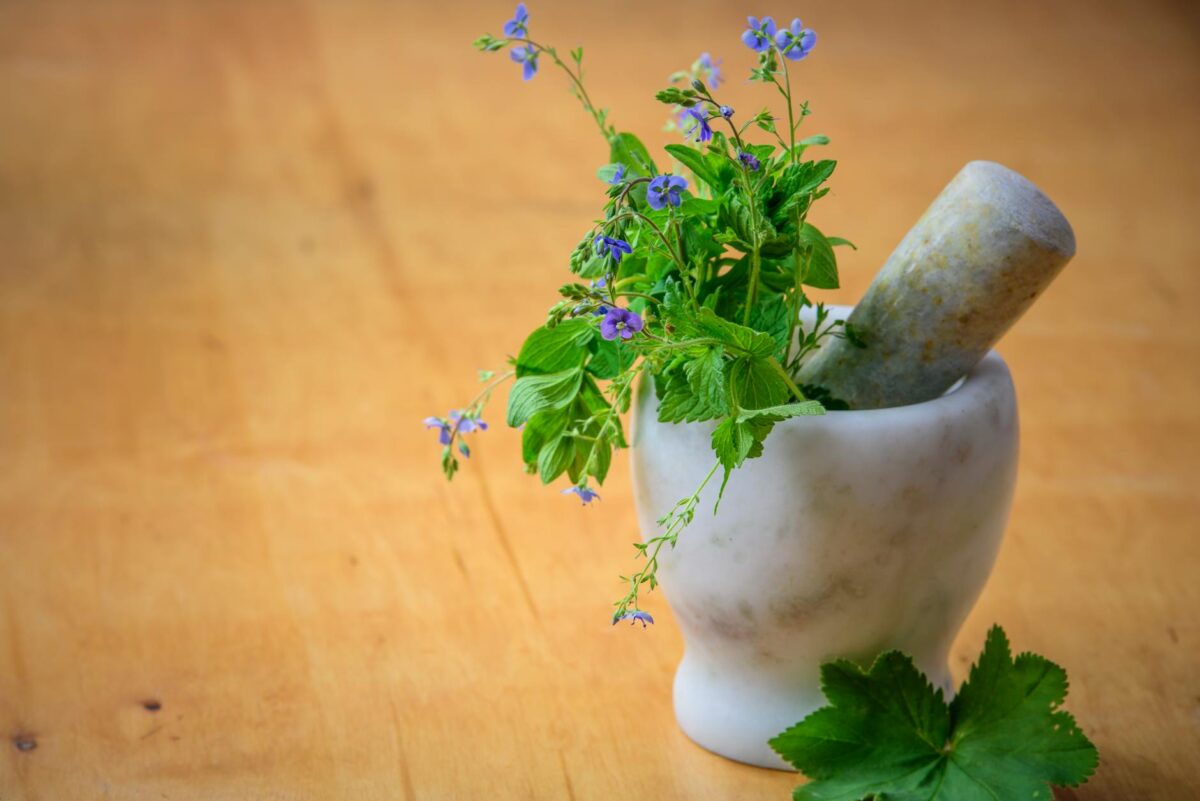
It’s a world of extremes, and that chaos has entered even the world of health. True, it’s the easiest it’s ever been to engage in hedonistic lifestyles and eat a ton of junk. Thankfully, it’s also true the other way around. Gyms are everywhere in urban cities, healthy food is plentiful if you know where to find it, and local markets flourish with plenty of holistic items to peruse.

Understanding your health and taking control of it is easier now than it’s ever been. One such benefit of the modern lifestyle is easy access to a host of herbal choices. Herbs can enhance your health in ways no other food or exercise can. However, each herb has unique properties, and some people will benefit from certain herbs more than others. This article will break down a list of the most wholesome and holistic herbs to add to your spice rack.
Aloe
Well-known for its soothing properties, aloe is a particularly effective salve for skin ailments. It helps in healing burns, cuts, and other skin irritations. Plus, if you’re willing to do a bit of light alchemy, aloe vera gel can be derived from the plant’s leaves. The gel is rich in vitamins, and minerals, and has anti-inflammatory and antibacterial properties.
Burdock
Burdock excels for its detoxifying qualities. It purifies the blood, promotes skin health, and supports liver function. It is also beneficial for managing arthritis and other inflammatory conditions. All of those qualities are thanks to inulin, a prebiotic fiber that aids digestion and supports gut health. Its antioxidant properties help combat oxidative stress, while its diuretic effect assists in removing toxins from the body.
Chamomile
Any tea buff knows chamomile is famous for its calming effects. It helps alleviate anxiety, promotes restful sleep, and soothes digestive issues. Chamomile tea is a popular remedy for stress and insomnia. The herb’s anti-inflammatory and antispasmodic properties make it useful for relieving menstrual cramps and gastrointestinal discomfort. Chamomile also has mild analgesic effects, which can help reduce pain and swelling.
Cloves
It’s way more than a nice spice addition to your dinner. Cloves are rich in antioxidants and possess anti-inflammatory properties. They aid in digestion, enhance respiratory health, and have antimicrobial effects, making them useful for oral health. Clove oil, derived from clove buds, is commonly used to alleviate toothaches and gum pain due to its eugenol content. Cloves can also improve blood circulation and reduce oxidative stress, potentially lowering the risk of chronic diseases.
Echinacea
Despite the hard-to-pronounce name, echinacea’s effects could not be more straightforward. It reduces the duration of colds, fights infections, and has anti-inflammatory properties. Often taken as a supplement during cold and flu season, echinacea is a fantastic herbal companion for those winter months. It can also improve wound healing and reduce symptoms of upper respiratory infections.
Lemon Balm
Not to be confused with regular lemons, these leafy greens are known for reducing stress and anxiety. Much like certain strains of recreational cannabis, it promotes relaxation, improves mood, and can help with sleep disorders. It also has antiviral properties. Lemon balm’s calming effects are thanks to its rosmarinic acid content, which increases the availability of neurotransmitters like GABA. It can also relieve symptoms of indigestion and bloating.
Peppermint
Some people just know about the candy, but the actual flavor packs quite the holistic punch. Peppermint is excellent for digestive health. It relieves symptoms of irritable bowel syndrome (IBS) and reduces nausea. Peppermint oil, when applied topically, can alleviate headaches and muscle pain due to its menthol content. Inhalation of peppermint vapor can clear nasal congestion and improve respiratory function. Peppermint tea is a popular remedy for indigestion and can provide a refreshing flavor to various dishes and beverages.
Plantain
These massive leaves can treat wounds, insect bites, and skin irritations surprisingly well. Plantain also has anti-inflammatory and antimicrobial effects. The leaves contain bioactive compounds such as aucubin and allantoin, which promote tissue regeneration and reduce inflammation. Plantain can also be used to soothe coughs and respiratory issues when made into tea or syrup. Its ability to draw out toxins makes it effective for treating bee stings and other minor skin injuries.
Willow
The witchy name may sound intimidating, but willow is anything but sinister. It contains salicin, which is similar to aspirin and helps in reducing pain, inflammation, and fever. It is often used for headaches and muscle pain. Willow bark’s anti-inflammatory properties make it effective for treating conditions such as arthritis and lower back pain. It can also reduce menstrual cramps and alleviate minor fevers. The herb has a long history of use in traditional medicine for its analgesic and antipyretic effects.
Final Thoughts
These are just some of the dozens of herbs you can grow in your garden. You can also find these eco-friendly herb selections online or at the local market. However, these herbs have proven time and again why they remain popular and effective choices when it comes to herbal health. Still, one of the joys of healthy living is trying out new things, so don’t be afraid to try out new herbs. It may just be your superfood.
Discover more from The Cameron Journal
Subscribe to get the latest posts sent to your email.