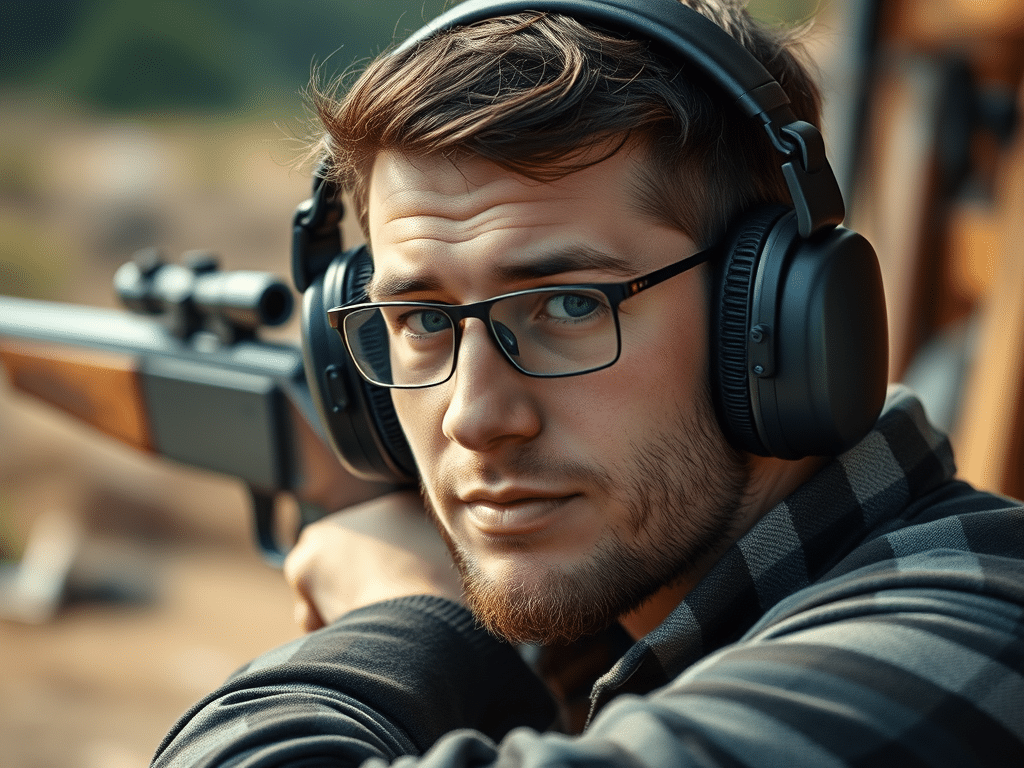
Outdoor hobbies are exciting, but they can also expose you to loud noises that may harm your hearing over time. Whether it’s shooting sports, woodworking, or using loud equipment, protecting your ears should always be a priority.
Many enthusiasts don’t realize how quickly hearing damage can occur, so investing in proper gear is a smart choice to enjoy hobbies safely.

Source: Unsplash (CC0)
The risks of loud outdoor activities
Outdoor hobbies, especially ones that involve power tools, firearms, or engines, can produce dangerously high noise levels. Activities like target shooting, a popular masculine hobby, often involve bursts of noise that exceed safe limits and can damage hearing in minutes. Continuous exposure to loud sounds during hobbies like woodworking or using ATVs can also result in gradual hearing loss.
Hearing damage is often permanent and sneaky since it doesn’t always happen all at once. Many people only notice the effects years later, when they start struggling to hear conversations or pick up soft sounds.
Why hearing protection is essential
Wearing hearing protection during outdoor hobbies can prevent noise-induced hearing loss, keeping your ears safe for years to come. Earplugs or earmuffs create a barrier that reduces harmful noise levels while still letting you enjoy your activity. Advanced options, like noise-canceling earmuffs, can even filter out dangerous sounds while letting you hear important ones, like voices or safety instructions.
It’s not just about comfort; hearing protection can improve focus and performance in hobbies where concentration is key. For example, shooting sports enthusiasts who use quality hearing gear can better hear range commands and improve their accuracy.
Finding the right gear for your hobby
Not all hearing protection is created equal, so it’s important to choose gear designed for your specific hobby. For example, shooting enthusiasts often prefer earmuffs that allow communication while still blocking harmful noise. Arm adapters for Peltor Comtac make it easy to attach hearing protection to helmets, offering extra convenience for those involved in tactical or outdoor activities.
For woodworking or yard work, lightweight earplugs might be a better fit. These are comfortable for long periods and effectively block the constant hum of machinery like saws or lawnmowers.
How to use hearing protection correctly
Wearing hearing protection isn’t just about putting it on–it’s about using it correctly to ensure maximum protection. Earmuffs should fit snugly over the ears, with no gaps between the cushion and your skin. Earplugs need to be inserted deeply enough to create a good seal but should never feel uncomfortable.
Check your gear regularly for wear and tear. Over time, the padding on earmuffs can wear out, and earplugs can lose their shape, reducing their effectiveness.
Why prevention is better than treatment
Once hearing is damaged, it can’t usually be restored, so prevention is always better than trying to treat the problem later. While hearing aids can help, they can’t replace natural hearing, and they’re often costly and inconvenient.
By prioritizing hearing protection now, outdoor hobby enthusiasts can enjoy their activities without worrying about long-term damage. It’s a simple step that ensures hobbies remain safe and enjoyable for years to come.
Discover more from The Cameron Journal
Subscribe to get the latest posts sent to your email.