
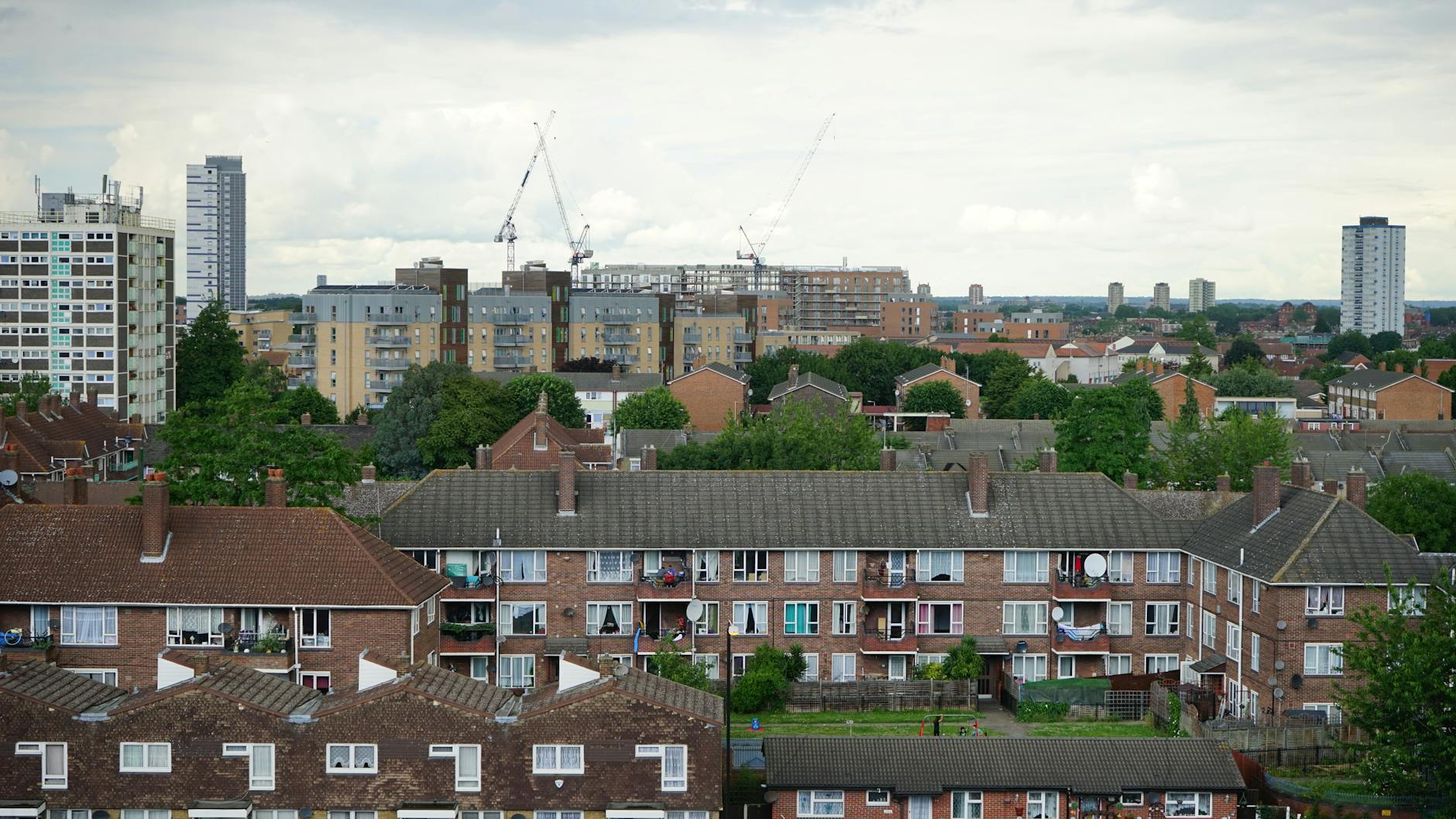

Many individuals will want to dip their toes into the real estate business. They wonder whether they should grow their investments and create a portfolio of properties, or whether they should get into the property development business.
There are many pros and cons to both business ideas. It all comes down to your time, your commitment, your financial situation, and your future goals. There is a lot that goes into both businesses, so it is important to understand the differences, the challenges, and what work they entail to get them started, maintain them, and grow them into profitable ventures.
If you are not sure which business to start and grow, here are some helpful insights into them both to assist you in making an informed decision.
What is a property investor?
A property investor comes in two forms. First, you can invest your money into a development project. Or you can invest your money into single properties that you rent out and manage. Alternatively, you could hire property management services to run your portfolio for you.
If you wish to invest in development projects, then all that will be emailed is finding a single site project that offers you income in return. This typically comes in the form of a fixed-rate return, agreed upon in the contract, or a share of profits after the property development project has been completed. This means you just need money and time to conduct research into which development project you want to invest in and how much risk you want to take on the income you receive from it.
If you wish to invest in your properties, this is a lot more work and commitment. You will need to find a property, renovate it, and either sell it for a higher price or rent it out to tenants. Both are great options. However, you will need to stay committed to the project as the outcome and equity growth will rely on your efforts. You will need the time to renovate the home, find tenants, and manage them, or you will require more budget to outsource this work. Many people will do it themselves at first until they start to make a profit. Then they increase their portfolio with more properties and start to outsource the work. This route is also popular if you’re a foreign national looking to buy U.S. real estate, as direct property investment can offer both financial growth and a foothold in the American market.
Renting out to tenants may provide you with a more continuous long-term income, but you need to attract the right tenants and be able to find new tenants quickly if tenants decide to leave. Knowing how to run a credit check on a tenant could be important for taking on tenants that are financially responsible. Working with a tenancy agency could also be worthwhile – although you will have to pay extra fees, these agencies can help you to find tenants and can handle all the paperwork and vetting for you.
When renting, it’s good to make use of a property management company that is experienced with managing homes for rent. They can deal with everything when it comes to managing the tenants and your rental property, so that you don’t have to.
What is a property developer?
Property developers play a major role in the world that you live in today. From restoring heritage sites to developing major apartment buildings, property developments are all around you. A property developer is responsible for building new properties and selling them for profit. Developers will have to source land to build on, remove any existing structures, and build new structures. This can be both residential or commercial structures. There is a lot of money required upfront for this work as well as a lot of knowledge within the industry. Developers will always have an industry focus. For some, this might be heritage sites, and for others, it may be commercial buildings. You will need to pick an industry and grow in that area so you can be successful. For developments relating to heritage sites, these can be a lot trickier as there are a lot more rules and regulations surrounding the world, so you would need professional support from a heritage consultant.
There are many pros and cons to both business types. It will all depend on the work and responsibilities that you want to take on, and more importantly, the budget you have to spend.
How Does Location Influence Your Choice?
Another factor to think about when choosing between investment and development is the type of area you want to be involved in. Established vacation markets, for example, often appeal to investors who prefer finished units that can be rented out quickly to short-term guests rather than overseeing a construction project from scratch. You might browse condos on 30A to see how move-in-ready coastal properties can create relatively predictable rental income while someone else has already taken on the work of planning and building. By contrast, a developer in a similar location may be more interested in identifying underused land or outdated buildings they can transform entirely, taking on more complexity and risk in pursuit of larger, one-off profits. Thinking about the specific neighbourhoods and property types that excite you can make it clearer whether your skills and appetite for risk are better suited to investing or developing.
How To Choose Between Property Investment And Development
When choosing between property investment and development there are a few key things you should consider. Some of the most important factors include:
- Capital: Development can often cost more upfront than investing, but it depends on what property you are buying/building.
- Return goals: Investment provides slow long-term returns, whereas developing a property and selling it could give you access to quicker returns.
- Risk tolerance: Both developing and investing have their associated risks, but typically developing a property comes with more risks such as construction delays and material shortages.
- Time commitment: Property investment can be a form of passive income, whereas developing a property typically requires more active hours of project management.
Getting legal advice is always recommended too. Look into specialist property law attorneys and use reviews such as these Amy Mousavi reviews to help you choose a reputable legal advisor who can give you the best guidance.
Discover more from The Cameron Journal
Subscribe to get the latest posts sent to your email.




