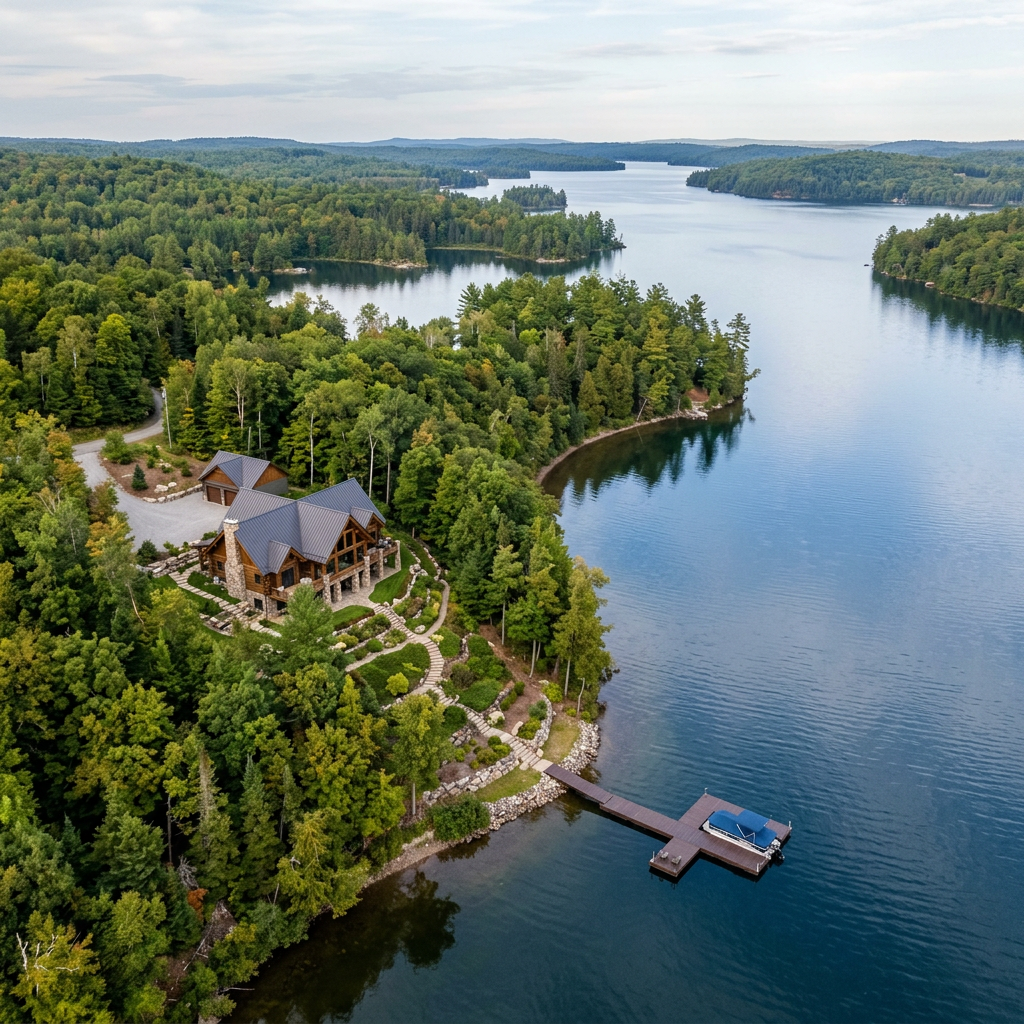
Shoreline direction can influence how a waterfront home feels long after the first impressive view wears off. Buyers comparing waterfront homes for sale may notice differences in sunlight, wind, wave exposure, dock usability, and drainage even among properties located close together. Understanding those patterns makes it easier to judge whether a particular setting fits the way a household plans to use the lake.
Sun Exposure Changes With the Direction the Shoreline Faces
East-facing shorelines tend to receive stronger morning light, which can brighten breakfast areas, porches, and docks early in the day while leaving outdoor spaces cooler later. West-facing properties usually experience the opposite pattern, with less direct morning sun followed by brighter afternoon and evening exposure. Buyers searching for lake homes for sale near me should consider what time they expect to use decks, patios, and waterfront seating instead of assuming one direction is always preferable.
Southern exposure may provide longer periods of direct sunlight across open areas, while northern-facing lots can remain shaded for more of the day depending on terrain and tree cover. Seasonal sun angles also change how deeply light enters windows, making orientation relevant to indoor comfort as well as outdoor use.
Prevailing Winds Can Affect Comfort Near the Water
Wind travels differently across open water than it does through wooded neighborhoods. Broad exposure can create cooling breezes in warm weather, yet the same orientation may bring stronger gusts across patios, docks, and outdoor dining areas during changing weather.
Protected coves often experience calmer conditions because surrounding land and vegetation interrupt airflow before it reaches the shoreline. People comparing lake houses near me may want to visit on more than one day, since a calm afternoon cannot reveal the usual wind pattern around a lakefront property.
Wave Action Varies Along Different Shoreline Orientations
Open-water exposure affects how much distance wind has to build waves before they reach land. Longer stretches of uninterrupted water can produce more frequent movement against docks, riprap, retaining structures, and natural banks than sheltered sections of shoreline.
Boat traffic adds another variable because common travel routes may direct wakes toward certain properties more often than others. Owners considering waterfront property for sale should examine worn dock hardware, shoreline erosion, loose stones, and undercut banks for signs of repeated wave impact.
Views Shift Based on the Home’s Position Along the Shore
Orientation determines whether a home looks toward open water, a wooded point, a cove, neighboring shoreline, or a boating channel. Wide lake views can feel dramatic, while angled or protected locations may offer greater privacy and more visual variety along the shore.
Window placement changes that experience inside the home. Prospective buyers reviewing lake front homes for sale should stand in primary living areas, bedrooms, porches, and outdoor gathering spaces to see what actually fills the sightline rather than relying only on photographs taken from favorable angles.
Afternoon Heat Can Increase on West-Facing Waterfront Lots
Late-day sunlight can make west-facing patios and large windows noticeably warmer during summer. Strong exposure may affect outdoor comfort, interior cooling loads, furniture fading, and the amount of shade needed around frequently used spaces.
Trees, roof overhangs, covered porches, shades, and carefully placed landscaping can reduce that heat without sacrificing the evening view. Families considering a lake house for sale should evaluate how the home handles afternoon sun instead of judging orientation only by the appeal of sunset scenery.
Dock Placement Often Depends on Shoreline Angle and Depth
Dock location involves more than placing a structure directly behind the house. Shoreline angle, underwater slope, nearby channels, neighboring docks, water depth, and permitting requirements can all influence where safe and practical access is possible.
Shallow edges may require a longer walkway before reaching dependable boating depth, while steep underwater contours can create usable water closer to shore. Anyone researching waterfront property for sale near me should compare the intended boat size with actual dock conditions rather than assuming visible water automatically means suitable access.
Drainage Patterns Change With Lot Slope and Shore Direction
Rainwater follows the shape of the land regardless of the view. Lots that slope sharply toward the lake can move runoff quickly across lawns and paths, while flatter areas may collect water in low spots if drainage has not been planned carefully.
Grading, swales, downspout outlets, permeable surfaces, and established vegetation can help control how water reaches the shoreline. Duckett Pointe offers waterfront homes and homesites on Lake Guntersville where buyers can compare shoreline position, views, access, lot characteristics, and community features while deciding which orientation best supports their preferred balance of comfort, recreation, and everyday lake living.
Discover more from The Cameron Journal
Subscribe to get the latest posts sent to your email.