Most workouts are pretty straightforward – you lift weights to get stronger, run to build endurance, or play sports to have fun and stay fit. But there’s one type of exercise that does something completely different. While you’re getting physically stronger and more flexible, you’re also learning discipline, focus, and mental toughness.
Martial arts training is like having a gym session and a life lesson rolled into one. Every class teaches you something about controlling your body and your mind, often at the same time. It’s probably the only workout where getting better physically automatically makes you better mentally too.
How Your Body and Brain Learn Together
When you practice martial arts, your body has to learn precise movements while your brain figures out timing, distance, and strategy. This dual learning happens naturally because the physical techniques only work when your mind is focused and calm.
Take something as basic as throwing a punch. Your body has to coordinate your feet, hips, shoulders, and arm in perfect sequence. But your brain also has to judge distance, timing, and balance. Miss any part of this mental-physical connection and the technique falls apart.
This kind of training creates new neural pathways that connect physical movement with mental awareness. Over time, you develop better coordination, faster reflexes, and improved decision-making under pressure. Your body gets stronger and more flexible while your mind gets sharper and more focused.
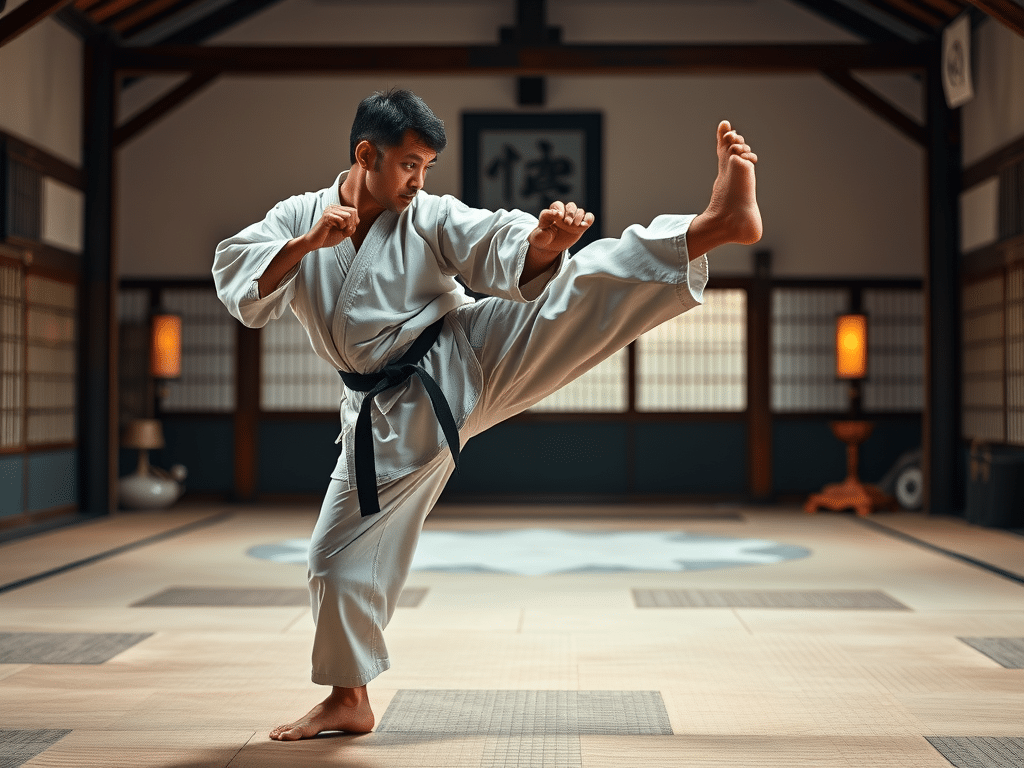
Balance training in martial arts is a perfect example of mind-body integration. Standing on one leg while kicking requires physical strength and flexibility, but it also demands mental concentration and body awareness. You can’t zone out like you might on a treadmill – every moment requires active mental engagement.
For people interested in experiencing this unique combination of physical and mental development, martial arts sydneyprograms offer structured training that builds both physical skills and mental discipline in a supportive environment.
The Mental Workout You Don’t Realize You’re Getting
While you’re learning kicks, punches, and blocks, your brain is getting a serious workout too. Martial arts training develops several mental skills that carry over into daily life in ways you might not expect.
Concentration improves because martial arts demands constant attention. You can’t practice effectively while thinking about work, school, or other distractions. This focused attention becomes a habit that helps in other areas of life where concentration matters.
Problem-solving skills develop as you learn to adapt techniques for different situations and opponents. Sparring especially teaches you to think quickly and adjust your strategy based on what’s happening in the moment.
Emotional regulation becomes stronger through martial arts training. Learning to stay calm under pressure, control frustration when techniques don’t work, and maintain respect for training partners teaches emotional maturity that extends beyond the dojo.
Memory gets a workout too as you learn complex sequences of movements, remember proper form for dozens of techniques, and recall strategies for different situations. This kind of active learning engages multiple types of memory simultaneously.
Stress management improves naturally through martial arts practice. The physical exertion releases tension while the mental focus provides a break from everyday worries. Many practitioners find that training sessions help them handle stress better throughout the week.
Building Confidence Through Competence
One of the most powerful mental benefits of martial arts is how it builds real confidence through actual skill development. Unlike positive thinking exercises or motivational speeches, martial arts confidence comes from knowing you can actually do something challenging.
Physical confidence develops as you get stronger, more flexible, and more coordinated. Being able to break a board, execute a difficult technique, or spar effectively gives you concrete evidence of your physical capabilities.
Mental confidence grows as you learn to stay calm under pressure, think quickly in challenging situations, and push through discomfort to achieve goals. These mental skills transfer directly to non-martial arts situations.
Social confidence often improves through martial arts training because you learn to interact respectfully with training partners, receive criticism constructively, and maintain composure in competitive or challenging social situations.
The confidence that comes from martial arts is different from fake confidence or bravado. It’s based on actual skills and tested through practice, making it more stable and useful in real-world situations.
The Discipline That Doesn’t Feel Like Punishment
Traditional exercise often requires external motivation – you have to force yourself to go to the gym or push through boring workouts. Martial arts develops internal discipline naturally because the training is engaging and the progress is visible.
Self-control develops through practicing techniques slowly and precisely rather than using brute force. Learning to execute movements with proper form even when tired teaches the kind of self-discipline that applies to many life situations.
Goal-setting becomes natural in martial arts because belt rankings and technique requirements provide clear, achievable targets. This teaches the process of setting realistic goals and working systematically toward them.
Delayed gratification gets reinforced constantly in martial arts training. Progress takes time, mastery requires patience, and rushing leads to poor technique or injury. These lessons about patience and persistence apply to many other areas of life.
Respect for others becomes ingrained through martial arts etiquette and training protocols. Bowing, following dojo rules, and training safely with partners teaches consideration for others that extends beyond martial arts.
Physical Benefits That Support Mental Growth
The physical improvements from martial arts training create a foundation that supports mental development. Better physical condition makes mental training more effective and sustainable.
Flexibility training in martial arts reduces physical tension that can interfere with mental clarity and emotional regulation. Tight muscles and joints can contribute to stress and anxiety, while improved flexibility supports both physical and mental relaxation.
Cardiovascular fitness from martial arts training improves brain function by increasing oxygen delivery and promoting the growth of new brain cells. Better cardiovascular health directly supports cognitive performance and emotional stability.
Strength and coordination development builds body awareness and physical confidence that supports mental well-being. Feeling capable and strong physically contributes to overall self-esteem and life satisfaction.
Balance and proprioception training improves the mind-body connection that supports both physical performance and mental awareness. Better body awareness contributes to improved emotional regulation and stress management.
Practical Life Skills from Fighting Training
The mental skills developed through martial arts training transfer to practical situations in ways that surprise many practitioners. The focus, discipline, and problem-solving abilities have applications far beyond self-defense.
Conflict resolution skills improve because martial arts teaches you to stay calm under pressure, read social situations accurately, and respond proportionally to challenges. These skills help in workplace conflicts, family disagreements, and social tensions.
Leadership abilities often develop through martial arts training as you learn to help newer students, demonstrate techniques, and maintain dojo standards. The confidence and communication skills transfer to other leadership situations.
Performance under pressure improves because martial arts regularly puts you in challenging, stressful situations where you must perform techniques correctly. This kind of pressure training helps in job interviews, presentations, and competitive situations.
Making It Work for Different People
Martial arts training can be adapted for people of different ages, fitness levels, and goals while still providing the mind-body benefits that make it unique.
Children often benefit greatly from the structure and discipline of martial arts training while enjoying the physical activity and skill development. The mental benefits of improved focus and self-control are particularly valuable for young people.
Adults find that martial arts provides effective stress relief and mental challenge along with physical fitness. The goal-oriented nature of belt ranking systems appeals to achievement-oriented adults.
Older practitioners can modify the physical aspects while still gaining the mental benefits of focused practice, goal setting, and stress management. Many techniques can be adapted for different physical capabilities.
People with different fitness goals can emphasize different aspects of training – some focus on the physical fitness benefits, others on the mental discipline, and many appreciate the combination of both.
Starting Your Mind-Body Journey
Beginning martial arts training doesn’t require being in perfect shape or having any previous experience. The mind-body benefits start developing from the very first class as you learn to coordinate simple movements with focused attention.
Most martial arts schools understand that beginners need time to develop both the physical skills and mental habits that make training effective. Good instructors emphasize proper form and mental attitude over speed or power for new students.
The key is finding a school and style that matches your interests and goals while emphasizing the mental aspects of training alongside physical techniques. Look for instructors who talk about discipline, respect, and personal development, not just fighting techniques.
Consistency matters more than intensity when starting martial arts training. Regular practice allows both the physical and mental aspects to develop together naturally. Even two classes per week can produce noticeable improvements in both physical ability and mental discipline.
Martial arts offers something that most other forms of exercise can’t match – the opportunity to develop your mind and body simultaneously through engaging, practical training that builds real skills and lasting confidence.
Discover more from The Cameron Journal
Subscribe to get the latest posts sent to your email.