
Image credit: Unsplash
From the moment you flip a light switch in the morning to the goods you find stocked at the grocery store, our daily lives are supported by a massive, interconnected system of infrastructure. We often take these conveniences for granted, rarely thinking about the complex web of machinery, structures, and people working tirelessly behind the scenes. These unseen networks are the foundation of our modern world, and keeping them moving is one of the most critical jobs there is.
Foundations of Modern Life
Think about the basic elements of your day. The clean water from your tap, the electricity powering your home, and the roads you travel on are all part of a vast infrastructure. These systems aren’t just static concrete and steel; they’re dynamic operations that need constant monitoring, maintenance, and repair. Much like the human body’s circulatory system, if one part fails, it can have cascading effects on the entire network. A power grid failure can shut down businesses and communication, while a compromised bridge can cut off a vital transport link for an entire community. This complex dance of functionality depends on everything working in harmony.
The Engines of Industry
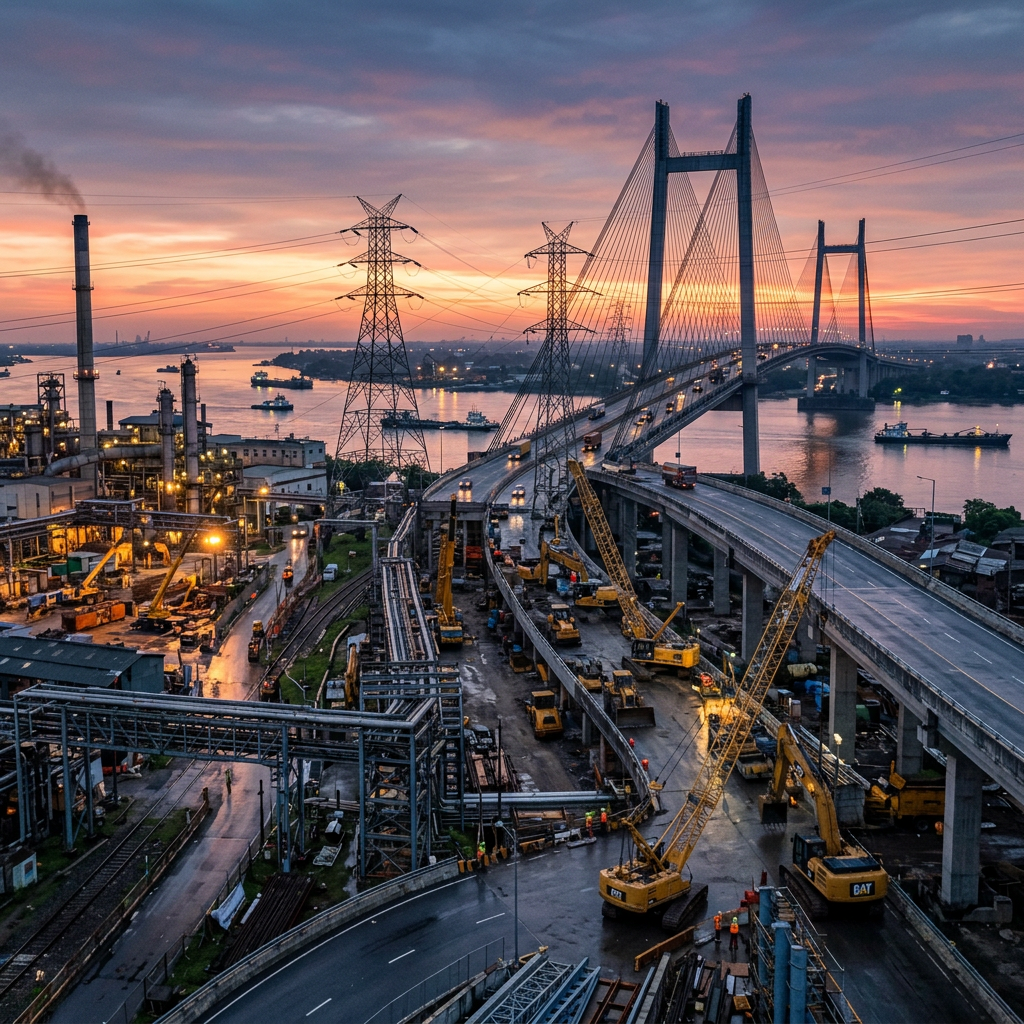
While we see the finished roads and buildings, we often miss the powerful machines that bring them to life. Giant earthmovers, towering cranes, and heavy-duty trucks are the workhorses of construction, mining, and logistics. These machines operate under immense stress and in harsh conditions, making their maintenance a top priority. Just as the original heroes of the Industrial Revolution powered progress with new inventions, today’s skilled technicians are the ones keeping the engines of industry running. Every piece of heavy equipment, from a mining haul truck to a generator on a remote site, relies on an expert diesel fitter to diagnose issues, perform repairs, and ensure it operates safely and efficiently.
Why Reliable Machinery Matters
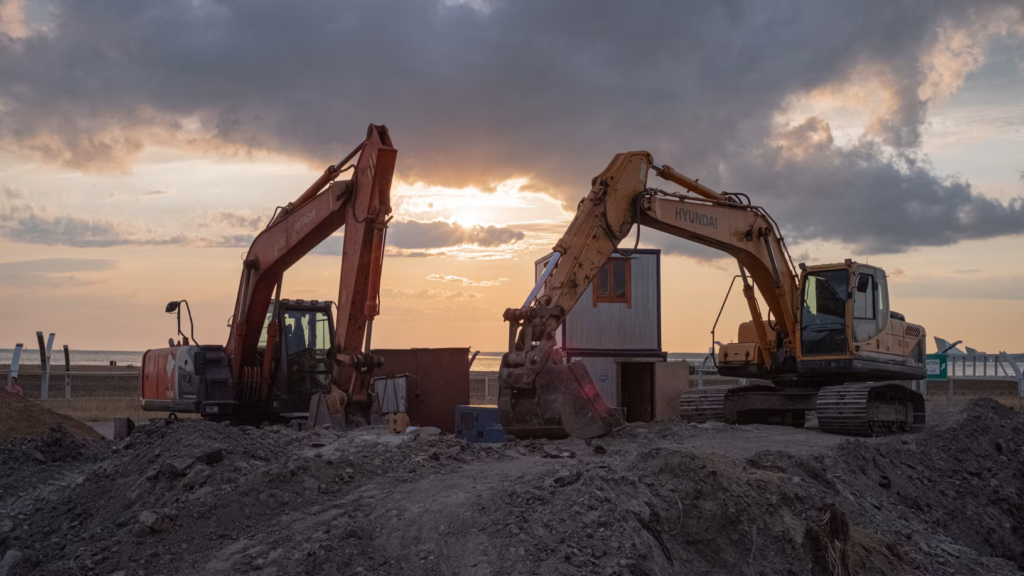
When a key piece of machinery breaks down, the consequences go far beyond just a minor inconvenience. A single failed excavator on a major road construction project can bring work to a halt, leading to significant delays and budget overruns. In logistics, a malfunctioning forklift at a distribution center can disrupt the supply chain, affecting deliveries to stores and customers
Reliability isn’t just about efficiency; it’s about safety and predictability. Well-maintained equipment is less likely to cause accidents, protecting workers and the public. For any operation that depends on heavy machinery, reliability is directly tied to its bottom line and reputation.
The Backbone of Operational Success
For any business in sectors like construction, mining, or agriculture, machinery is one of its most valuable assets. Protecting that investment means taking a proactive approach to maintenance. Waiting for something to break is a reactive and costly strategy. Instead, successful operations build their success on a backbone of preventative maintenance.
This involves regularly scheduled inspections, fluid analysis, and replacing worn parts before they can fail. While it represents an ongoing cost, this proactive approach is an investment that pays for itself by minimizing unexpected downtime, extending the lifespan of the equipment, and maximizing productivity.
A Look at Essential Services
The need for reliable machinery is perhaps most obvious in our essential services. Power plants, water treatment facilities, and waste management systems all depend on a complex array of pumps, turbines, generators, and control systems to function 24/7. A failure in any of these areas can have immediate and widespread consequences for public health and safety.
As we look to the future, the reliability of our energy infrastructure becomes even more critical. Ensuring our grid is stable and efficient is a core component of any new climate strategy, allowing us to integrate new technologies and energy sources effectively.
So, the next time you drive across a bridge or see a new building rising into the sky, take a moment to consider the incredible coordination and effort involved. Our world runs on the power of well-maintained machines and the expertise of the people who keep them going.
Discover more from The Cameron Journal
Subscribe to get the latest posts sent to your email.




