
Table of Contents
- Economic Drivers of Secondhand Shopping
- Environmental Impact and Sustainability
- The Role of Gen Z in Thrifting
- Growth of Online Resale Platforms
- Luxury Brands and the Secondhand Market
- Challenges in the Secondhand Market
- Future Outlook of Secondhand Shopping
The retail landscape has evolved significantly as more consumers embrace secondhand shopping as a practical and sustainable alternative to traditional retail. Growing interest in pre-loved clothing and gently used accessories reflects a broader focus on affordability, environmental responsibility, and mindful purchasing habits. As these trends continue to reshape shopping preferences, many people are turning to digital marketplaces to discover unique fashion finds at competitive prices. Choosing the best app for buying used clothes can make the experience more convenient, helping shoppers browse quality items, uncover hidden gems, and build a stylish wardrobe while supporting a more sustainable approach to fashion.
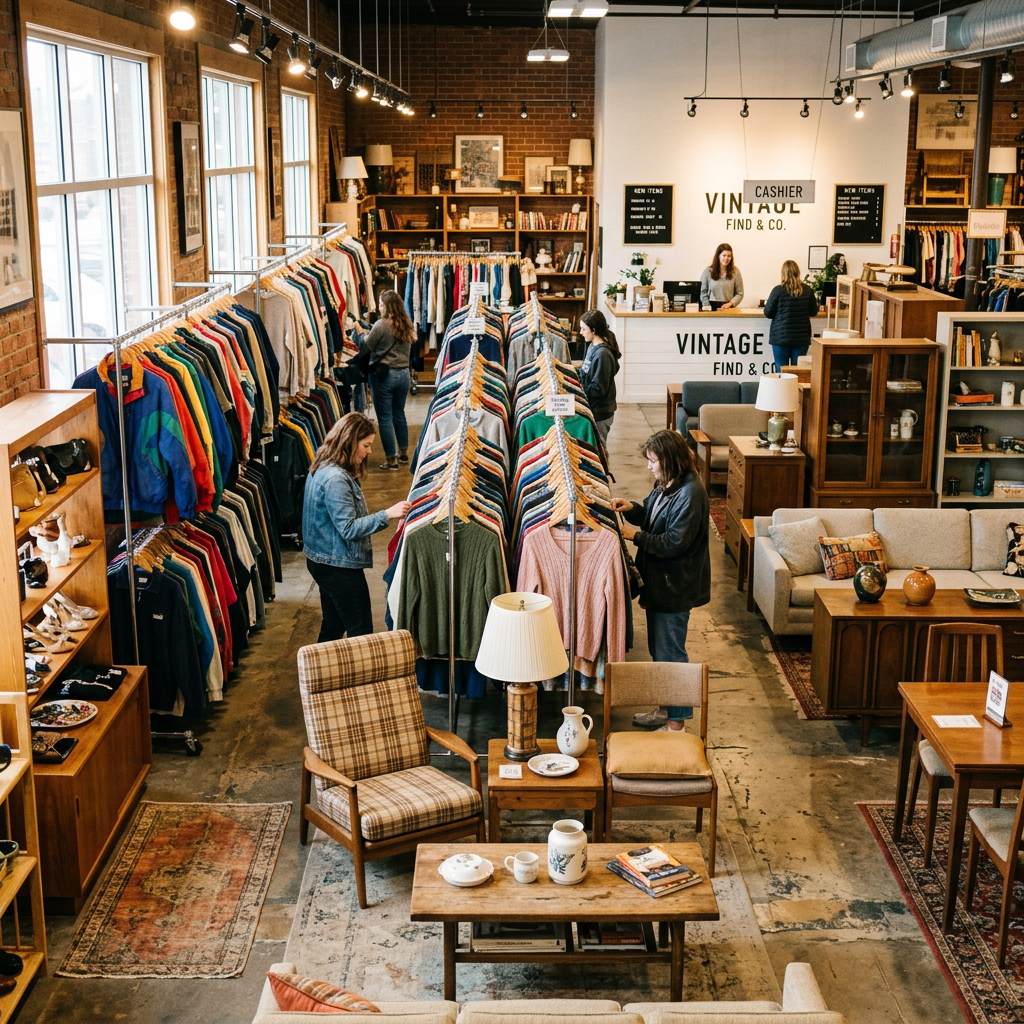
From bustling thrift stores in local communities to the ever-expanding world of online resale platforms, the movement toward secondhand apparel reflects changing preferences. Shoppers are motivated not only by the desire to save money but also by the growing appeal of eco-friendly fashion and rare vintage styles. As inflation and supply chain issues impact global markets, more people are realizing the social, economic, and environmental value of shopping secondhand.
Economic Drivers of Secondhand Shopping
Amid rising living costs and global economic uncertainties, many consumers find themselves reevaluating their spending habits. Thrift stores and digital resale markets have surged as families and individuals look for ways to stretch their budgets. In major cities and smaller communities alike, secondhand shopping has become a mainstream strategy for weathering inflation, navigating supply chain disruptions, and making the most of limited disposable income. According to experts from the National Association of Resale Professionals, resale markets consistently expand during times of economic downturns, pointing to a resilient and adaptable retail sector. The New York Times sheds light on the thrift surge seen across the US.
Environmental Impact and Sustainability
The impact of fashion on the environment has become a central issue for today’s shoppers. The apparel sector accounts for nearly 10 percent of global climate emissions, making sustainability a top priority for many. Secondhand shopping extends the lifespan of garments and reduces the demand for new production, which requires significant water, energy, and raw materials. With an anticipated market size of $77 billion by 2025, a figure reported by industry analysts at GlobalData and ThredUp, resale is outpacing traditional retail growth by a wide margin. Consumers are increasingly drawn to pre-loved fashion as a climate-conscious, cost-effective solution that supports global sustainability goals. For more details, check this feature from Forbes.
The Role of Gen Z in Thrifting
As leaders of the secondhand revolution, Gen Z shoppers are setting new standards for style and sustainability. Their enthusiasm for thrifting is propelled by a desire to express individuality, counteract fast fashion, and lessen environmental harm. This generation values authenticity and transparency, opting for brands and platforms that align with their ethical values. Their buying patterns continue to push the industry forward, ensuring secondhand apparel is not only a trend, but a sustainable movement gaining momentum with each passing season. A recent study by ThredUp found that more than 40 percent of Gen Z consumers shop secondhand, a figure expected to grow as younger shoppers enter the workforce and influence the broader retail market.
Growth of Online Resale Platforms
The expansion of digital resale platforms has made secondhand shopping more accessible than ever before. Leading names like ThredUp, The RealReal, and others are driving substantial growth, providing seamless solutions for buyers and sellers alike. These platforms use sophisticated authentication and quality control processes, reassuring even hesitant shoppers. Projections suggest the US secondhand apparel market could reach $78.8 billion by 2030, growing at a robust average annual rate of over 7 percent. This digital transformation allows shoppers everywhere to participate in thrifting, whether they live in fashion-forward cities or rural areas.
Luxury Brands and the Secondhand Market
The market for pre-owned luxury goods is soaring, disrupting long-held notions about exclusivity and value in the luxury sector. Boutiques dedicated to authenticated secondhand designer goods, such as Paris-based LuxSpace, serve everyone from curious first-time buyers to seasoned collectors. Demand for high-end handbags, watches, and jewelry has nearly doubled the secondhand luxury market since 2019, reaching €50 billion in 2025, with classic investment pieces leading the way. As prestige brands partner with reputable resale platforms, the boundaries between first-hand and second-hand luxury continue to blur.
Challenges in the Secondhand Market
Despite rapid growth, the secondhand sector continues to face challenges. Surges in demand can lead to higher prices and limited inventory, affecting lower-income consumers who rely on thrift shops as their primary source of clothing and essentials. Authenticity remains a critical issue, especially in the luxury category, where counterfeit items persist as a concern. Businesses and regulatory agencies must collaborate to implement transparent processes and digital verification to ensure buyers remain confident and protected throughout their shopping journey.
Future Outlook of Secondhand Shopping
The future of secondhand shopping appears bright, combining robust projected growth with positive social and environmental impacts. Technological innovations will continue to enhance digital resale experiences, encourage more circular shopping behaviors, and possibly spur legislative changes supporting textile recycling and sustainability. As economic, generational, and ecological forces shape the industry, secondhand retail is positioned to remain a transformative and resilient part of the global fashion ecosystem. According to experts at CNBC, this era of retail reinvention is far from over.
The rise of pre-loved and secondhand shopping represents more than a mere trend. It is a testament to consumer adaptability, collective responsibility, and the enduring pursuit of accessible, sustainable, and expressive fashion choices in today’s marketplace.
Discover more from The Cameron Journal
Subscribe to get the latest posts sent to your email.




