Key Takeaways
- Closing preparation begins well before signing day.
- Buyers should compare their loan terms, closing costs, ownership records, and repair agreements.
- Unresolved title items, document mistakes, financing changes, and wire fraud can create serious last-minute issues.
- It is reasonable to pause and ask questions when a cost, term, or instruction is unclear.
- State laws and local practices vary, so buyers may need guidance from their lender, settlement professional, or attorney.
Table Of Contents
- Why Closing Prep Matters
- Build Your Document File
- Review Ownership Records
- Compare Closing Costs
- Ask The Right Title Questions
- Check Loan Documents Carefully
- Complete The Final Walk-Through
- Avoid Wire Fraud And Closing Scams
- Know When To Pause The Closing
- Handle The First Steps After Closing
- Conclusion
Buying a home can feel complete once the offer is accepted, but closing is when the legal transfer of ownership and the mortgage commitment become final. A careful review helps you spot errors before they become your problem, rather than trying to correct them after funds have been sent and documents have been recorded.
Think of closing as a process, not a single appointment. Along with reviewing the purchase agreement and loan paperwork, buyers should understand how owner’s title insurance may fit into the transaction and what the title-related documents do, and do not, cover.
Why Closing Prep Matters
At closing, you may sign a promissory note, mortgage, or deed of trust, deed, Closing Disclosure, and several disclosures and affidavits. Your signature confirms important financial and legal obligations. Reviewing these documents in advance reduces pressure and gives the responsible parties time to make legitimate corrections.
The Consumer Financial Protection Bureau offers a useful home closing guide that outlines documents, insurance, lender requests, and questions buyers may encounter. Use it as a starting point, then compare its general guidance with the terms of your own contract and loan.
Build Your Document File
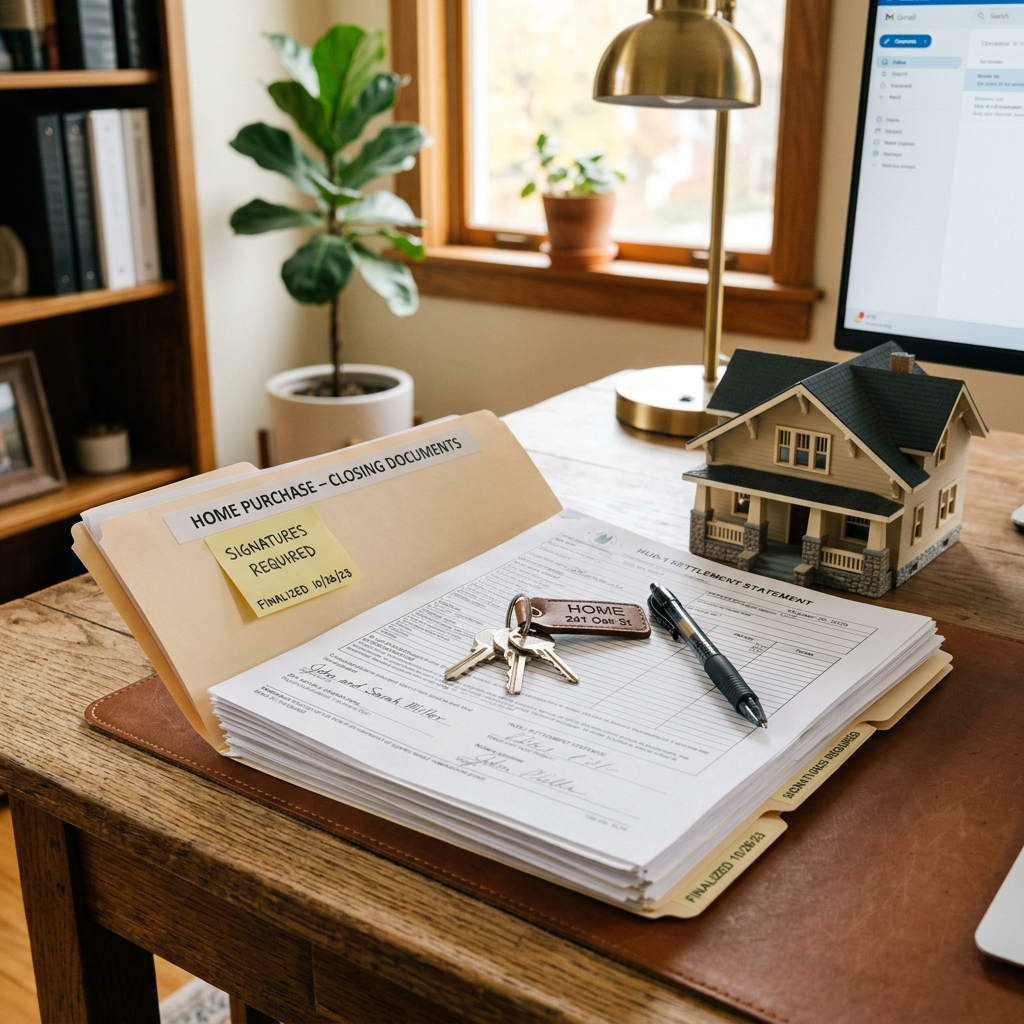
Create one digital folder and one printed packet for the documents that control the deal. Label files by date, because updated disclosures can replace earlier versions. Your file should include:
- The signed purchase agreement, addenda, and repair amendments.
- Your Loan Estimate and most recent Closing Disclosure.
- Inspection reports, repair invoices, and seller-credit agreements.
- Homeowners insurance documents and earnest money receipts.
- Government-issued identification and contact details for your lender and closing professional.
Review Ownership Records
Before closing, the title review should identify recorded matters that could affect ownership or use of the property. These may include prior deeds, liens, easements, unpaid claims, boundary description problems, unreleased mortgages, or missing signatures from individuals with an ownership interest.
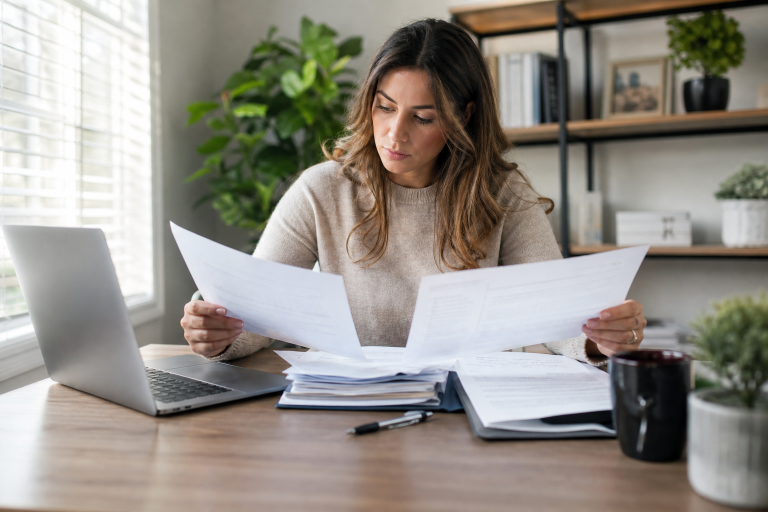
For example, a mortgage paid off years ago may still appear in public records if its release was never recorded. That does not always end the transaction, but it should be resolved or clearly explained before closing. Ask who is responsible for clearing the issue and whether it could delay recording or funding.
Compare Closing Costs
The purchase price is not the full amount needed to close. Compare the latest Loan Estimate with the Closing Disclosure and look closely at loan origination charges, appraisal and credit fees, recording charges, escrow deposits, title services, prepaid taxes, insurance, points, credits, and seller concessions.
- Mark every charge that changed from the earlier estimate.
- Ask why it changed and whether the explanation matches your loan terms.
- Confirm that credits and earnest money are shown correctly.
- Verify the exact cash-to-close amount, delivery method, and deadline.
Ask The Right Title Questions
“Clear title” is a useful phrase, but it should not replace a conversation about what was found. Ask whether the ownership record has been reviewed, whether liens or judgments remain, whether easements limit access or use, and whether all prior mortgages have been released.
Also, ask which items are listed as exceptions or exclusions, who must fix open matters, and whether any issue could move the closing date. You do not need to master legal terminology. You need a plain-language explanation of how each item affects the property you are buying.
Check Loan Documents Carefully
Verify the loan amount, interest rate, monthly principal and interest payment, estimated taxes and insurance, points, lender credits, prepayment terms, and cash required at closing. Check every name, address, and ownership designation as well. A small spelling error may require correction, while a larger difference in rate or payment warrants an immediate explanation.
Complete The Final Walk-Through
The final walk-through is not another home inspection. It confirms that the home is being delivered in the condition promised by the contract. Bring your repair agreement and check that the agreed-upon work is complete, including appliances, and that no new damage occurred during the seller’s move.
- Test basic lights, faucets, and included systems.
- Check for left-behind belongings or missing fixtures.
- Collect keys, remotes, access cards, and garage codes.
- Photograph problems and report them promptly.
Avoid Wire Fraud And Closing Scams
Never assume that an email with a familiar logo or sender name is genuine. Criminals can impersonate professionals and send altered wire instructions shortly before closing. The FBI’s consumer alert on property-related impersonation scams highlights warning signs such as pressure to act quickly, inconsistent details, and suspicious payment requests.
Confirm wire instructions by calling a trusted phone number that you obtained independently, not one included in the email. Do not rely solely on a reply message. If you suspect fraud after sending funds, call your bank immediately and notify your closing professional.
Know When To Pause The Closing
You should not feel forced to sign while a meaningful issue is unresolved. Pause and ask for help if the cash-to-close amount changes without a clear explanation, the loan terms differ from what you approved, repairs are incomplete, title issues remain open, the deed lists the wrong ownership structure, or wire instructions cannot be independently confirmed.
Handle The First Steps After Closing
Once you receive the keys, save the final Closing Disclosure, signed loan documents, repair records, warranties, and insurance information in a secure place. Confirm the first mortgage payment date, update utility accounts, and watch for misleading mail that appears to come from your lender. Recorded documents may take time to become available, so ask your closing professional what to expect in your area.
Common Questions Buyers Ask
What Should A Buyer Review First?
Start with the purchase agreement, Closing Disclosure, and any document that changed after your offer was accepted. Together, they show the final price, loan terms, credits, and funds required to close.
Can A Closing Date Change?
Yes. Financing delays, missing signatures, repair disputes, title matters, or document errors can move a closing date. Review the deadlines in your contract and ask how a delay affects your obligations.
What If I Find An Error At Closing?
Point it out before signing. The lender, settlement agent, attorney, or other appropriate professional can explain the issue and determine whether the document needs correction.
Conclusion: A Careful Review Can Prevent Bigger Problems
A successful closing does not require memorizing every legal term. It requires organization, attention, and a willingness to ask direct questions. Review the records, compare the costs, confirm the loan, inspect the home one final time, and verify payment instructions before signing. Those steps can reduce surprises and help you begin homeownership with greater confidence.
Discover more from The Cameron Journal
Subscribe to get the latest posts sent to your email.