
Table of Contents
- Regular Inspections
- Cleaning Gutters and Downspouts
- Removing Debris
- Addressing Moss and Algae
- Checking Flashing and Seals
- Ensuring Proper Ventilation
- Trimming Overhanging Branches
- Preparing for Extreme Weather
- Conclusion
Maintaining your roof is crucial to extending your home’s lifespan and safeguarding your investment. Neglecting routine upkeep can lead to costly repairs and even structural damage. Whether you are a new homeowner or have owned your property for years, working with a roof consultant can provide expert guidance. With regular attention, you can prevent minor issues from turning into major headaches and keep your home safe and dry season after season, understanding which steps to take and when is vital for comprehensive roof care. Weather changes, natural debris, and even nearby trees all play a part in your roof’s overall health. Following a regular maintenance schedule, knowing what to look for, and consulting reputable resources will help you address common problems before they escalate. Establishing good habits now is the best way to protect your roof for years to come.
Regular Inspections
Scheduling roof inspections twice a year, ideally in the spring and fall, allows you to spot early warning signs of damage. During an inspection, look for cracked, missing, or curling shingles, evidence of water stains on ceilings and walls, and sagging roof lines. After heavy storms or strong winds, perform an additional inspection to check for new damage. Addressing minor concerns promptly can prevent more extensive problems down the line.
Cleaning Gutters and Downspouts
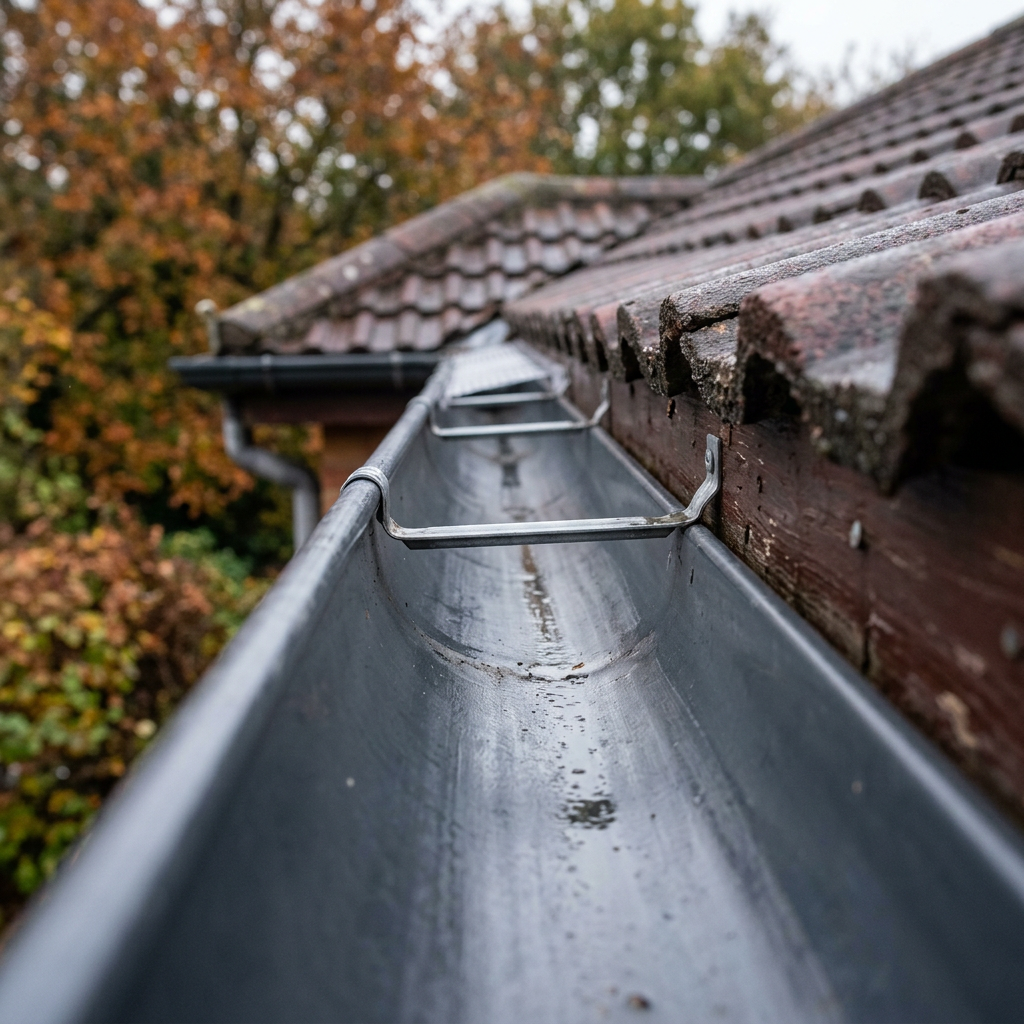
Gutters and downspouts that become clogged with leaves, twigs, and debris can cause water to back up beneath shingles or over your home’s exterior walls, leading to both roof and foundation issues. It is vital to clean these components at least twice a year, or more frequently if you have many trees near your roof. Routine cleaning prevents excessive moisture buildup, helping to avoid wood rot and mold growth.
Removing Debris
Accumulated leaves, branches, and dirt trap moisture against your roof, accelerating shingle deterioration and promoting the growth of moss and algae. Regularly check your roof’s surface for debris, especially after storms and in the fall. If you are not comfortable climbing onto your roof, consider hiring a professional to perform a safe removal. Keeping your roof clear helps it shed water more effectively and reduces the risk of moisture-related damage.
Addressing Moss and Algae
Moss and algae appear as green or black streaks on your roof and thrive in damp, shaded environments. Their presence can damage shingles by retaining moisture and, over time, degrading the roofing material. To prevent buildup, ensure your roof receives as much sunlight as possible and trim back overhanging branches. If moss or algae have already become a problem, use cleaning products designed for roofing materials, or consult a professional about safe removal methods.
Checking Flashing and Seals
Flashing is installed around chimneys, vents, skylights, and valleys to direct water away from sensitive areas. Over time, flashing can crack, corrode, or pull away from the surface, leading to leaks. Inspect these areas during your biannual roof checks and after major weather events. Replace or repair any damaged flashing or compromised seals promptly to prevent water from penetrating your home’s interior. If unsure about the condition of your flashing, contacting an experienced roofing specialist can provide peace of mind and expert repairs.
Ensuring Proper Ventilation
A well-ventilated attic keeps temperatures and humidity in check, which prevents problems like ice dams in winter and mold growth in summer. Blocked or inadequate ventilation can cause heat and moisture to accumulate, reducing the effectiveness and lifespan of your roofing system. Make sure your attic vents are clear and functioning, and consult experts if your home seems unusually warm or cold.
Trimming Overhanging Branches
Overhanging branches can scratch and damage roofing materials and gutters, especially during windy conditions. They also drop debris and create access points for animals and pests. Keeping branches trimmed at least 6 feet away from your roof helps prevent these risks while allowing more sunlight to reach your shingles, helping keep them dry and moss-free. If tall trees are near your home, consider consulting a tree service for safe pruning practices.
Preparing for Extreme Weather
Your roof is a vital line of defense during storms, high winds, or heavy snowfall. As storm season approaches, inspect your roof for loose shingles and weak spots. Secure any vulnerable areas and reinforce connections in places more likely to suffer damage. Investing time in preparation can prevent leaks and minimize repair costs after severe weather. Kiplinger’s home maintenance checklist recommends repairing damaged shingles and flashing before the start of storm season for greater peace of mind. By adopting these roof maintenance habits, homeowners can ensure their roof remains strong and effective for decades. Proactive attention, timely repairs, and professional advice can all help protect your home and its value over the long term.
Conclusion
Consistent roof maintenance is one of the most effective ways to protect your home, extend the life of your roofing system, and avoid expensive repairs. By scheduling regular inspections, keeping gutters and downspouts clear, removing debris, addressing moss and algae, checking flashing and seals, ensuring proper attic ventilation, trimming overhanging branches, and preparing for extreme weather, you can prevent small issues from becoming major structural problems. These simple yet essential maintenance practices improve your roof’s durability, enhance your home’s energy efficiency, and preserve its overall value. When you are uncertain about the condition of your roof or need specialized repairs, consulting a qualified roofing professional can provide expert guidance and long-term solutions. Investing time in routine roof care today will help ensure your home remains safe, secure, and well-protected for many years to come.
Discover more from The Cameron Journal
Subscribe to get the latest posts sent to your email.




