
Key Takeaways
- Mold prefers damp, poorly ventilated spaces and can lead to significant health problems.
- Look for musty smells, visible spots, and health symptoms as early warning signs.
- Simple preventive measures, such as reducing humidity and improving airflow, can stop most mold growth.
Table of Contents
- Health Risks Associated with Mold
- Common Places Mold Hides in Homes
- Signs Your Home May Have Mold
- Preventative Measures to Avoid Mold Growth
- Steps to Take If You Find Mold
- When to Call in Professionals
- Conclusion
Mold is more than just something unattractive growing in a corner – it is a silent problem that can cause serious damage to your house and even put your health at risk. Many people are surprised to learn just how common indoor mold can be and how quickly it can spread once it finds a damp spot in your home. Keeping your living space safe means understanding the risks, spotting the early signs of mold, and knowing what to do if you find it. For homeowners who want peace of mind or have concerns, professional services for mold removal and remediation Central Massachusetts can make a big difference.
Ignoring mold does not just mean bad smells or stained walls. Mold can grow wherever moisture collects, and it often hides in places you might not check very often. As it spreads, the risks grow, especially in homes with children, elderly family members, or anyone with breathing problems. Preventing mold is much easier than cleaning up a big infestation, so learning the basic steps for mold prevention is important for any homeowner.
Health experts warn that certain molds can produce mycotoxins, which can lead to severe health complications if left unchecked. That is why it is important to address even small patches as soon as you spot them. Simple changes in your daily routine – like using exhaust fans and fixing leaks right away- can make a major difference.
If you live in cities with older homes or humid summers, it is especially important to check basements, bathrooms, and attics regularly. Each room can have its own trouble spots where moisture collects. Professional services like mold removal and remediation Worcester are equipped to handle larger problems, but many smaller issues can be caught and addressed early with the right knowledge.

Health Risks Associated with Mold
Mold exposure can affect almost anyone, but some people are especially sensitive and can have strong reactions. The most common health problems from mold include coughing, sore throat, stuffy nose, itchy eyes, and skin rashes. Mold is very risky for people with asthma, allergies, or weakened immune systems, as it can trigger severe attacks and worsen ongoing issues. According to the Centers for Disease Control and Prevention, mold exposure can also lead to serious infections in people with underlying health conditions. Serious cases might include fungal lung infections or hypersensitivity pneumonitis, though these are rare. The best way to avoid health risks is to keep your home dry and deal with any mold right away.
Common Places Mold Hides in Homes
Mold grows best in warm, damp areas with little airflow. In most homes, these arUse areas are the hardest to keep dry or often go unnoticed. Common hiding spots for mold include:
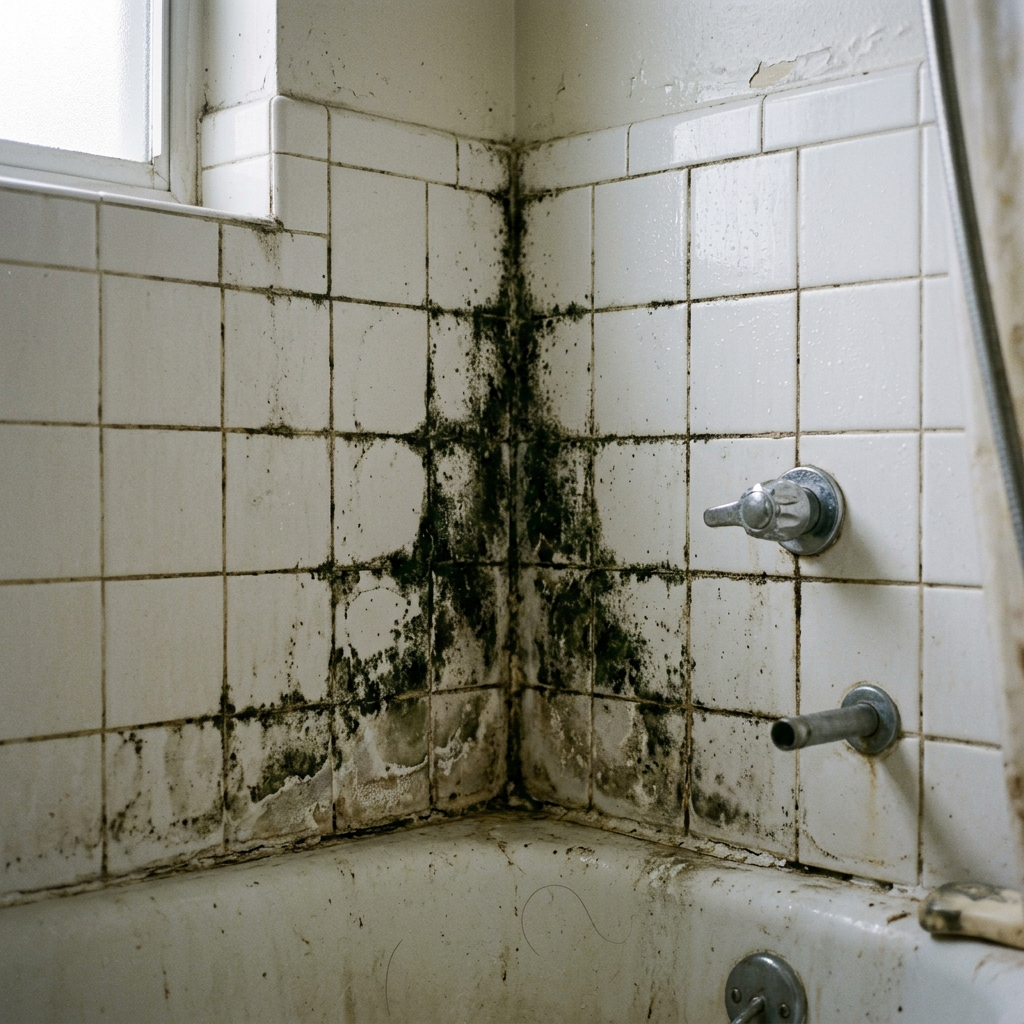
- Bathrooms: Mold can hide behind shower tiles, underneath sinks, or around tubs where water pools.
- Kitchens: Leaks under sinks, behind the fridge, or around dishwashers can quickly attract mold.
- Basements: Humid air, water leaks, or damp walls make a perfect environment for mold growth.
- Attics: Little ventilation or roof leaks can allow mold to grow on wood or insulation out of sight.
- HVAC Systems: If ducts are not cleaned and dried, mold can take hold and then be spread throughout your house.
Regular inspections and good cleaning habits can help you catch mold in these trouble spots before it becomes a larger problem.
Signs Your Home May Have Mold
Spotting mold early can save you money and protect your health. Here are a few main signs to watch for:
- A strong, musty or earthy odor, especially in closed rooms or after heavy rain.
- Spots or patches that are black, green, or white on walls, ceilings, or floors.
- Water stains, discoloration, or paint that is bubbling or peeling away.
- Wallpaper that is coming loose or warped.
- Sudden allergy-like symptoms or breathing difficulties, particularly if they get worse inside your home.
These signs, especially when more than one appears at the same time, suggest that action is needed as soon as possible.
Preventative Measures to Avoid Mold Growth
The best time to fight mold is before it starts. Mold spores are everywhere, but they need moisture to grow. You can help stop mold by:
- Keeping the humidity in your home below 50 percent by using dehumidifiers or air conditioners.
- Making sure rooms are well ventilated, especially bathrooms, kitchens, and laundry rooms.
- Fixing leaks in roofs, walls, and plumbing as soon as possible.
- Use exhaust fans when cooking or showering to keep the air dry.
- Drying and cleaning any area affected by water within 24 to 48 hours (after flooding, for example).
Following these steps can help reduce the chance of mold becoming a serious problem. For more practical guides, the EPA’s Brief Guide to Mold, Moisture, and Your Home offers homeowners helpful tips.
Steps to Take If You Find Mold
If you discover mold, quick action will help keep your family safe and prevent costly repairs. Here is what to do:
- Find and stop the source of moisture; for example, repair leaks or increase ventilation.
- Clean small mold areas with a detergent and water solution. Avoid using bleach unless on a non-porous surface, as it may not be effective on drywall or wood.
- Remove and dispose of items such as carpets, ceiling tiles, or drywall if they are heavily soiled and cannot be fully cleaned.
- Wear gloves, goggles, and a mask to keep mold spores out of your lungs and eyes while cleaning.
- After cleaning, dry the area completely with fans or a dehumidifier to be sure mold does not return.
If you find the area is large or there is extensive water damage, consider hiring a professional for complete mold removal.
When to Call in Professionals
Some mold problems require expert handling. It is best to call professionals when:
- The moldy area covers more than 10 square feet.
- You spot mold in your HVAC ducts, vents, or inside walls.
- There is significant water damage, or the mold returns after cleaning.
- Family members are experiencing serious health symptoms that may be caused by mold.
Professionals are trained to safely remove large mold infestations. They also have tools for finding hidden mold and fixing the source of the problem to prevent future growth. According to the EPA’s Brief Guide to Mold, Moisture, and Your Home, proper remediation by experts ensures thorough and safe cleanup.
Conclusion
Mold is a hidden but dangerous issue in many homes. By recognizing the signs, taking swift action, and using prevention strategies, you can protect both your health and your property. Regular checks, prompt leak repairs, and good ventilation make a big difference. When needed, do not hesitate to seek help from professionals to ensure your home stays safe and comfortable.
Discover more from The Cameron Journal
Subscribe to get the latest posts sent to your email.




