
Key Takeaways
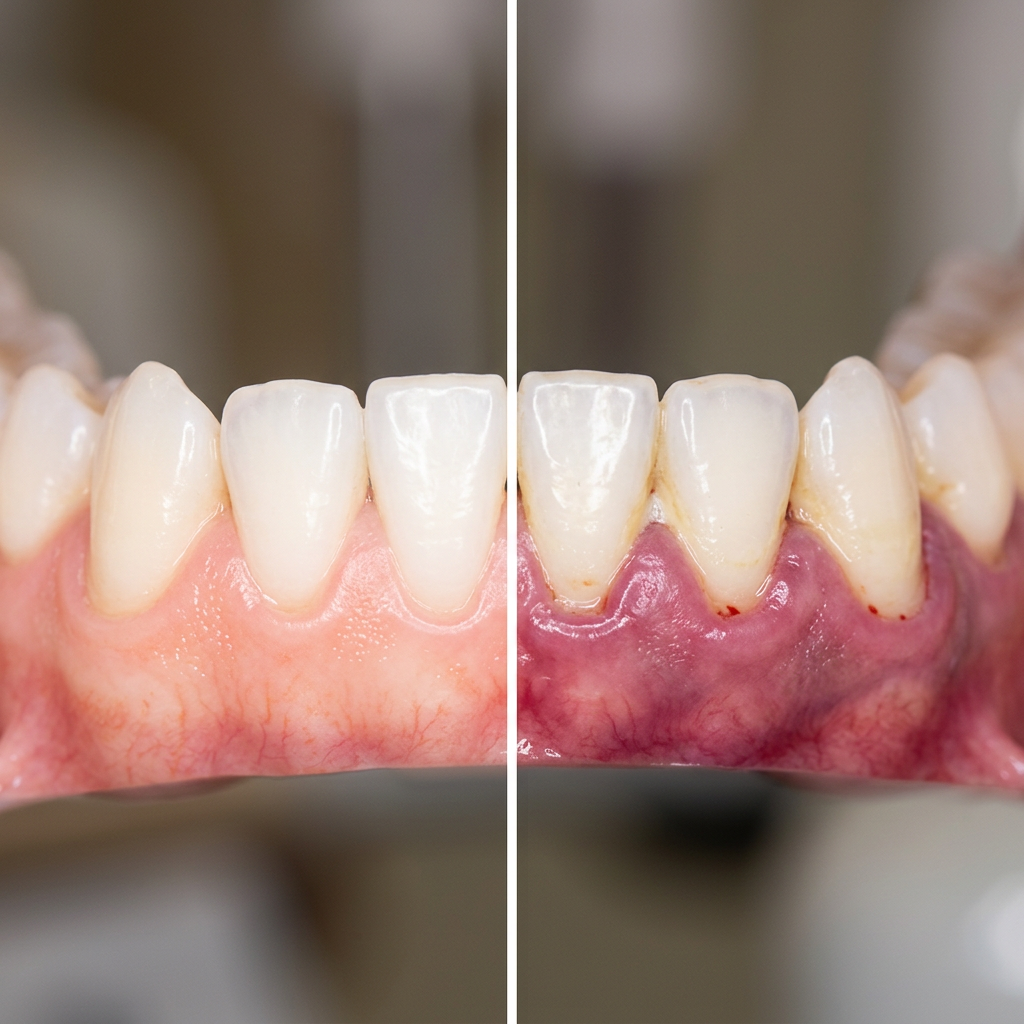
- Bleeding gums during brushing or flossing signal the onset of gum disease and should be addressed early.
- Persistent bad breath may be due to an underlying bacterial infection under the gums.
- Recognizing and treating symptoms early can prevent progression to serious stages like periodontitis.
Gum disease often develops without noticeable symptoms, making it essential to identify early indicators before the condition progresses. Understanding what to watch for and practicing good oral hygiene can help you avoid severe dental issues. If you notice changes in your gums or overall oral health, speaking with a Denver functional medicine specialist can provide valuable guidance and support in addressing dental and broader health concerns. Whether you are experiencing mild symptoms or want to stay proactive, learning about the early warning signs of gum disease and preventive care steps is critical to keeping your teeth and gums healthy. Investing time in prevention and early treatment results in healthier outcomes and reduces the risk of long-term dental complications.
Understanding Gum Disease
Gum disease, clinically known as periodontal disease, stems from plaque accumulation around the gum line. If plaque is not removed regularly through brushing and flossing, it hardens into tartar, creating a breeding ground for harmful bacteria. The initial phase, called gingivitis, involves mild inflammation and discomfort; however, if left untreated, it can progress to periodontitis. At this stage, the infection may destroy the supporting bone and connective tissue, leading to tooth mobility or loss. Early detection is therefore essential for preserving both oral and systemic health. Experts recommend routine dental check-ups to detect gum disease in its early stages before irreversible damage occurs.
Early Warning Signs
Bleeding Gums
One of the earliest warning signs of gum disease is bleeding when brushing or flossing. While some people assume slight bleeding is normal, healthy gums should remain intact during daily oral care. Bleeding indicates inflammation caused by bacteria attacking the gum tissues. Left untreated, this can pave the way for more advanced problems.
Red, Swollen, or Tender Gums
Gums that are red, swollen, or sensitive to touch signal that your immune system is fighting off an infection. Gingivitis, the earliest form of gum disease, often manifests as puffy, easily bleeding gums. At this stage, reversing the inflammatory response is possible with improved hygiene and timely dental treatment.
Persistent Bad Breath
Having chronic bad breath (halitosis) or a persistent bad taste in your mouth can point to bacteria lurking beneath the gum line. As bacteria multiply, they release foul-smelling gases and toxins that contribute to odor and taste issues. If breath mints, mouthwash, or routine brushing do not solve the issue, gum disease may be the underlying cause.
Receding Gums
When gums begin to pull away from the teeth, the sensitive tooth roots are exposed, increasing sensitivity and the risk of decay and infection. Gum recession typically results from longstanding, untreated gum disease. A dental exam can help determine the extent and cause of gum recession and guide treatment options to restore gum health.
Loose or Shifting Teeth
Advanced gum disease damages the bone and connective tissue supporting the teeth, leading to tooth mobility or unexpected movement. If your teeth no longer fit together as they once did or feel looser than normal, urgent evaluation and intervention are required to save your teeth and prevent further loss.
Preventive Measures
- Brush at least twice a day with fluoride toothpaste to eliminate plaque.
- Floss daily to remove bacteria and plaque between teeth where a toothbrush cannot reach.
- Schedule regular dental cleanings and exams. Professional care can remove tartar and spot concerns early.
- Avoid tobacco products, as they significantly raise the risk of gum disease and slow healing.
- Maintain a diet rich in vitamins and minerals to support gum and immune health.
When to Seek Professional Help
If you notice any early warning signs of gum disease, such as bleeding, swelling, persistent bad breath, receding gums, or loose teeth, prompt consultation with a dental provider is vital. Dental professionals can diagnose gum disease, provide thorough cleaning, and recommend targeted treatment to halt its progression. Early intervention can also help protect you from complications, such as infections, that may affect your overall health.
Conclusion
Being proactive about oral health by identifying symptoms early and adopting preventive measures supports lifelong oral health. Protecting your smile comes down to awareness, daily commitment, and seeking professional help anytime changes occur. With early attention and proper care, you can minimize the effects of gum disease and maintain a healthy mouth for years to come. Consistent brushing, flossing, and routine dental checkups play a key role in preventing plaque buildup and reducing the risk of infection. Maintaining a balanced diet and avoiding tobacco products can also significantly improve oral health outcomes. By staying attentive to early warning signs such as bleeding gums, sensitivity, or persistent bad breath, you can address issues before they become more serious. Prioritizing preventive care not only preserves your smile but also supports overall health and well-being in the long term.
Discover more from The Cameron Journal
Subscribe to get the latest posts sent to your email.




