
Waterfront properties can be one of the hottest investments in all of real estate. When you find an area on the rise, its mix of coastal views and lifestyle benefits can make it very lucrative, but they can also be very costly, especially if you don’t take their unique construction challenges seriously. Here, we’re going to look at some of the extra considerations you need to keep in mind when building on the coast, so you don’t get blindsided by some of the problems that can crop up.
Selecting The Right Materials
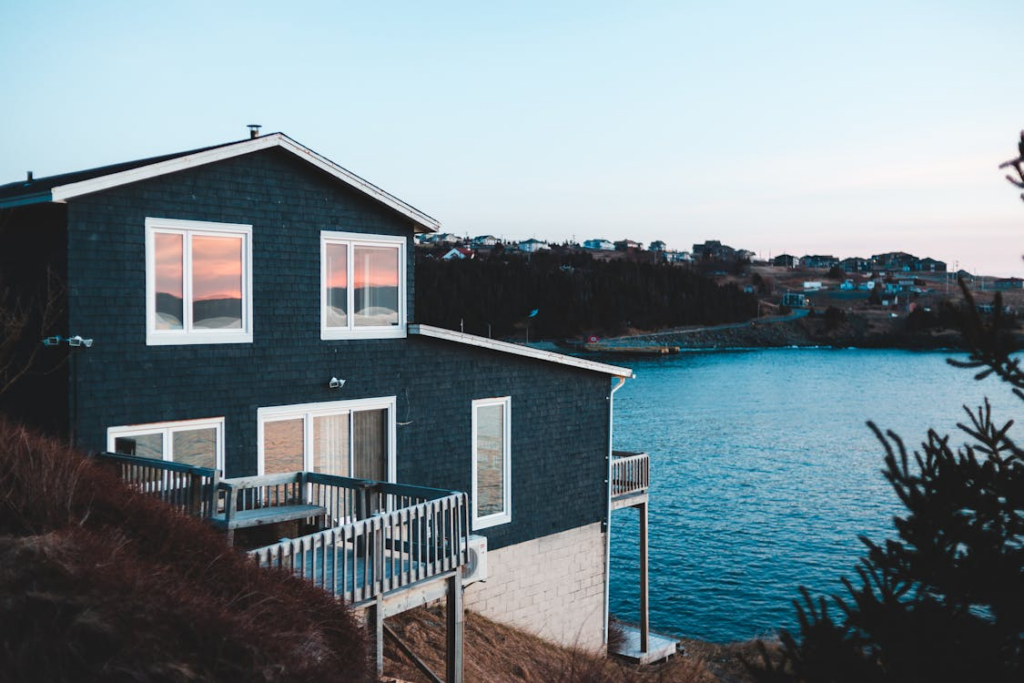
When you’re building a property, choosing the right materials is always important. For a waterfront home, however, this requires a little additional thought, as they have to be able to withstand environmental conditions that are more harsh than average, including constant exposure to moisture, salt, and strong winds. Standard building materials can quickly wear down under these conditions, so construction should make use of corrosion-resistant metals, treated wood, and weatherproof finishes where possible. It might make for additional upfront costs, but it will significantly reduce maintenance and repairs down the line.
Soil Stability And Shoreline Protection
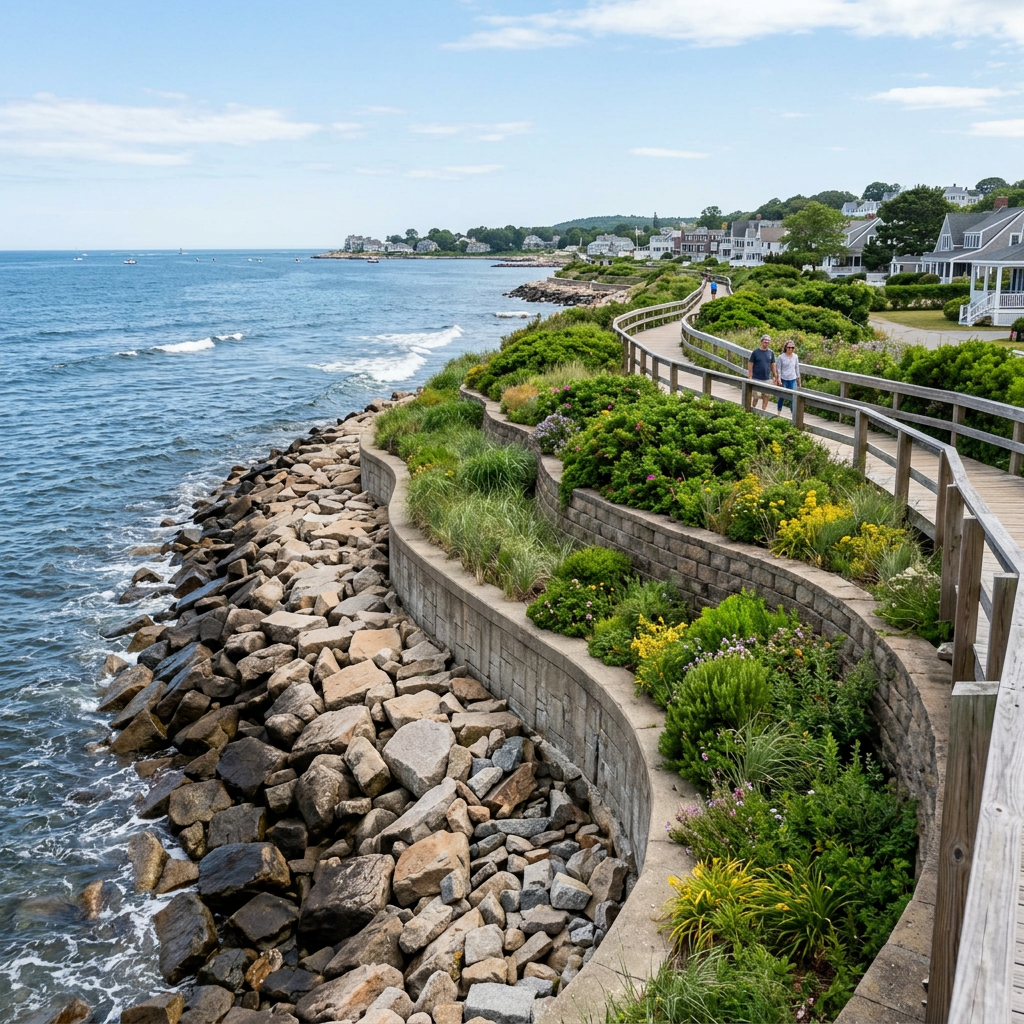
Although the shore might have been there for as long as you can remember, they are prone to erosion over time, and this can affect your buildings far more quickly than it will affect the surrounding landscape. Loose, sandy, and shifting ground conditions have to be carefully assessed. Thankfully, bulkhead and seawall construction can play a major role in preventing land loss, stabilizing the shoreline, and protecting the foundation of your property from any unnecessary movement. These protections also preserve the surrounding landscape.
Managing Flood Risks
Any property that’s sufficiently close to major bodies of water is going to have to consider the risk of flooding. There are different manners of protective measures you can take during construction to prevent flood damage to your property, such as building them with elevated foundations or sitauting them on pilings. More elaborate drainage systems and effective soil grading can help redirect water, too, so that even if it does rise up to meet the property, it’s able to drain away effectively instead of pooling around the foundation. Understand your local flood zones and historical patterns, and always plan for the worst-case scenario.
Protecting The Environment
Coastal and waterfront development areas are often subject to strict environmental regulations that are designed to protect the local ecosystem as well as any natural resources nearby. As such, you have to know and comply with the local, state, and federal guidelines that apply. This can include limits on how close you can build to shorelines, materials that you might be required to use, and permits you may need to complete your work. Environmental impact assessments are often necessary to ensure that construction does not harm wildlife habitats or disrupt natural processes.
With the tips above, you can make sure that not only are your waterfront properties built to withstand the elements, but their long-term value can grow all the further.
Discover more from The Cameron Journal
Subscribe to get the latest posts sent to your email.




