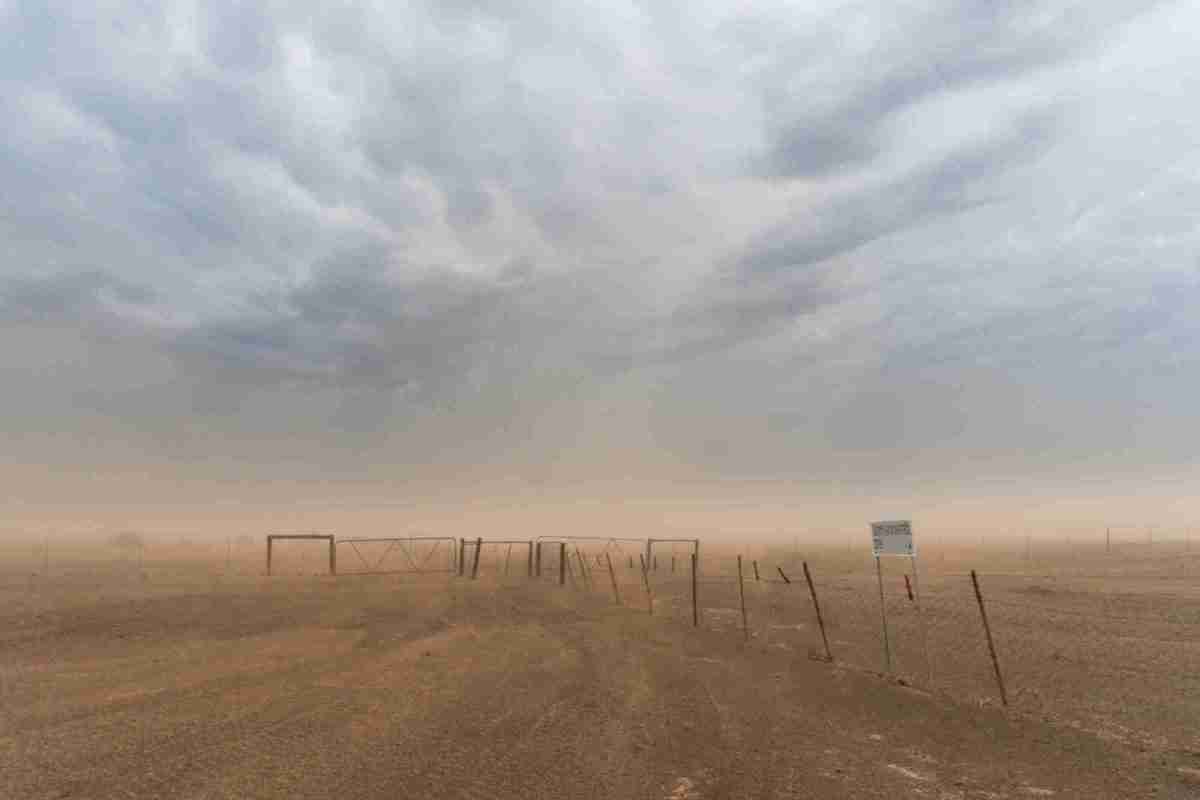
The dust bowl is near to my heart and my family. The farm that my Grandma and her siblings grew up on Yuma county Colorado was not blown away but they suffered the drought and the resulting dust storms. Watching Ken Burns’ documentary is an eye opening look into the period. I finally had a chance to watch the documentary and the causes and realities of the Dust Bowl were shattering.
Causes of the Dust Bowl
The causes of the Dust Bowl were a combination of several events crashing together all at once. First, the Depression lowered the price of wheat until the cash crop was virtually worthless. Rather than selling the wheat for $1 or even $2 a bushel (in 1930 dollars), the price sank to 10 cents at one point in the darkest days of the depression. Second, the region hardest hit by the dust bowl, which was in the area where the panhandles of Oklahoma and Texas meet, is an arid desert that experiences a drought every 20 years. The whole area, which stretches from the arid desert of northern Texas to Kansas and Colorado’s plains, is an arid desert where rain isn’t common, to begin with, and a drought means that months can pass without a single drop of rain falling from the sky. The third was the industrialization of agriculture. Tractors had become cheap, which meant that a single farmer could use his machines to plow up thousands of acres. The documentary describes the great plow up beginning in the late 1910s and extending well into the early part of the depression. Modern farming methods like crop rotation, pivot irrigation, fertilizer, and land management were non-existent.
Due to the loose topsoils, when the drought arrived the ground dried out and any wind soon kicked up dust. This resulted in dust storms that would cover whole houses burying the families inside. For those that survived a dust storm, the clean-up effort was daunting. They would have to shovel dust to get out the door and shovel it away from their homes. Inside was no protection, interiors were covered in dust and dirty defying the best efforts of the most assiduous housewife. Pictures of the massive dust storms are dramatic. They were so thick that they would blot out the sun and cause night in the middle of the day.
Unaddressed Poverty
One of the aspects of the Dust Bowl and the resulting migration that occurred was the simple fact that the people dispossessed by drought and wind were not people of means, to begin with. These farms grew primarily wheat, which, in the heydays of the 1920s, was a big cash crop. Outside investors came in and started carpet-bagger farms just to take advantage of the price. Many homes did not have hot and cold running water or electricity. My grandmother grew up without indoor plumbing until my mother was 7 in 1963. Electricity for many of these areas wouldn’t arrive until rural electrification in the 1950s. These people often owned a car, a tractor, a simple house, and the land that they worked. They didn’t own much else. Some people had made a life for themselves in the 1920s when the rains were common, and the price of wheat was high. However, when the wheat price dropped, the whole area was plunged into terrible, grinding poverty. Farms were destroyed, and the resulting migration resulted in the gorgeous photos of Dorothea Lange and one of the best pieces of literature of the 20th century, The Grapes of Wrath. The culture of poverty within minority communities begins to make sense; desperate people will do anything to get ahead. This was true for these farmers as well. People cooked their own pets for food at points when they had nothing else to eat. This disaster affected poor and vulnerable people and it wasn’t until the dust from Oklahoma was being dusted out of the White House in Washington D.C. that Roosevelt finally took action.
Americans Driven to the Breaking Point
The farmers only gave in when the dust bowl got so bad that they had no choice but to accept government help and government guidance on how to farm properly. Bear in mind that farmers are typically people who are not a fan of government much less government intervention. However, by 1938, farmers were so desperate for any help to return their crops and livelihoods they demanded the government come in and fix the situation. Out of this plea, the USDA created much of the farm relief and subsidy system that farmers rely on today. Officials guided the restoration of the land. They paid farmers not to farm certain fields and educated farmers about crop rotation, cover crops and introduced modern fertilizers. Much of the dirt that had been blown around was sitting in massive piles around Kansas, Colorado, Oklahoma, and Texas. The government put farmers to work moving it all back into place. It was a truly massive project to restore this farmland.
People Manage to Hang on, People Will Start to Find a Way
I think one of the most amazing things about the Dust Bowl story was the sheer ability for people to hang on. Many of the people profiled in the documentary didn’t leave. Although many people would immigrate to California, many stayed and hung on. Their stories were fascinating. Some people had wheat they harvested in 1931 that didn’t sell until 1939 or later. They didn’t want to move, and they didn’t want to leave. They endured wells going dry, dust storms that darkened the sky, and waited for rain. They prayed, they shoveled dirt, they endured. It is a fascinating study of America. These are tough people.
A Time of Dust
The drought finally broke just in time for World War II. Rain arrived back in the region in 1940. 9 years of impossible circumstances were finally eased by simple rain. It is hard to remember that all human civilization rests on rain and topsoil that grows plants. The dust storms would come back in the early 1950s but for less time due to a season drought that happens every 20 years. However, the severity was reduced due to the new planting methods and fertilizers employed by that time. Pivot irrigation would eventually replaced dryland farming in most of the region. The water was pumped up from the Ogallala aquifer, which is now running out of water jeopardizing farming from Nebraska to Oklahoma. Water conservation efforts have slowed the drawn down, but the reality is that it took thousands of years to fill it, and in 60, humankind has drained all that water out and turned it into corn, wheat, alfalfa, and other crops. Drought still plagues the region, but the irrigation mutes the effects. Now that irrigation is in danger of not keeping these farms going, the risk of having another Dust Bowl is fairly high. Environmental advocates are encouraging, letting much of the land return to its natural drought-resistant grasses. It is not going to be that easy to replace all that farmland. 16% of the Earth’s surface is suitable for farming, and thanks to urban sprawl, valuable farmland is sitting under houses and shopping centers. Someone will find a way to keep those farms going into the future. Hopefully, they can do it without risky another time of dust.
Discover more from The Cameron Journal
Subscribe to get the latest posts sent to your email.