Image Credit: Unsplash
The way we use outdoor space has changed a lot over the centuries. A garden might once have been designed to grow food, display wealth, or create a quiet place for reflection. Today, that same space might have a patio, a fire pit, or a full outdoor kitchen.
We’ve always found ways to shape the space around our homes to suit how we live. Looking at that history makes it easier to see why certain outdoor design ideas keep coming back, even as our tastes and lifestyles change.
Ancient Roots of Outdoor Living
People have wanted to shape the land around them for fun and function for as long as civilization has existed. Way back in ancient Persia, folks created “paradise gardens.” These were lush, walled oases meant for spiritual refreshment and just chilling out. They often had a cross-shaped layout, symbolizing the four rivers of paradise, and were packed with fruit trees and sweet-smelling flowers.
The Romans did something similar and built their homes around a “peristyle.” This was an open courtyard with a garden in the middle and columns all around. It was a private, peaceful space that brought light, fresh air, and nature right into the heart of their city homes. These early examples clearly show that people wanted to make spaces that were both beautiful and useful. It was a major moment in the historical development of garden art and paved the way for everything that came after.
Renaissance Gardens and Public Spaces
During the Renaissance, outdoor design took a dramatic turn, becoming grander and more theatrical. In Italy and France, wealthy nobles and royalty began building grand, formal gardens that showcased their power and control over nature. Think of the gardens at Versailles, with their perfect symmetry, fancy patterns, and impressive water features.
This period really cemented the idea that a landscape could be one complete, carefully planned project. Getting everything just right took a lot of planning and skill. Homeowners today may be working with smaller spaces, but the idea of creating a yard that feels put together still matters. Getting help with landscaping from design to maintenance can make it easier to bring the whole vision together and keep the space looking good over time.
Modernism Shapes the Landscape
The 20th century brought a huge change, moving away from those formal, stiff designs. The Modernist movement focused on clean lines and making the indoors and outdoors feel like one seamless space. California landscape architects like Thomas Church championed the “outdoor room” idea and designed gardens that flowed right out from the house and met the family’s needs.
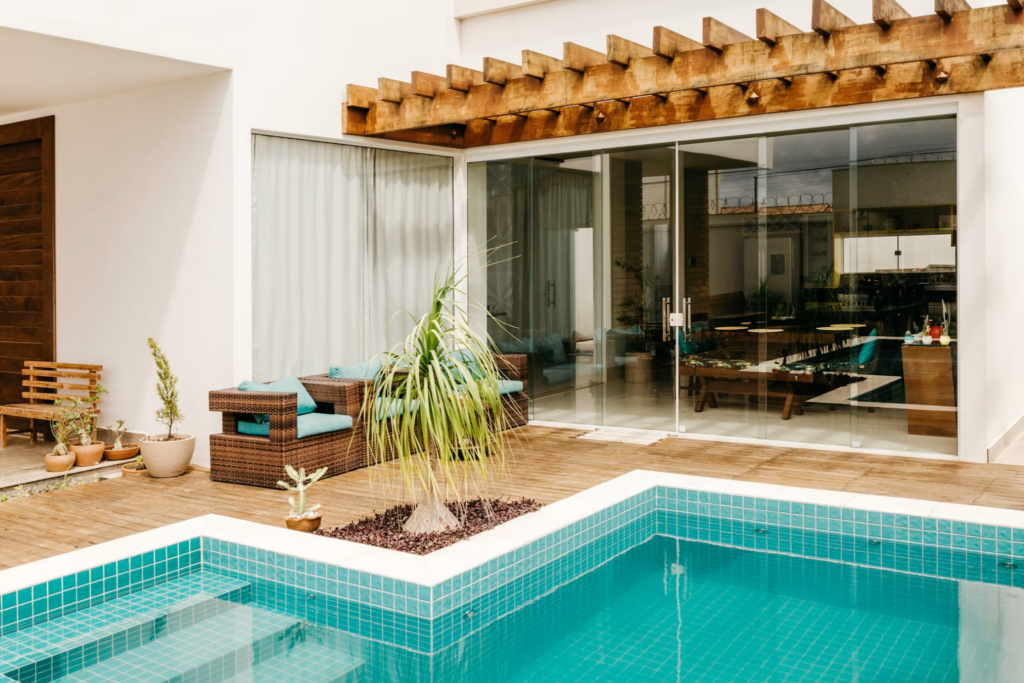
The lawn, the patio, and the swimming pool became standard features in suburban backyards. The goal shifted from showing off wealth to creating comfy, usable spaces for relaxing and having fun. Materials like concrete and wood were used in simple, geometric shapes, and plants were chosen for their texture and form, not just their flowers. This way of thinking completely changed how we see our yards, turning them into real extensions of our homes.
Crafting Contemporary Outdoor Havens
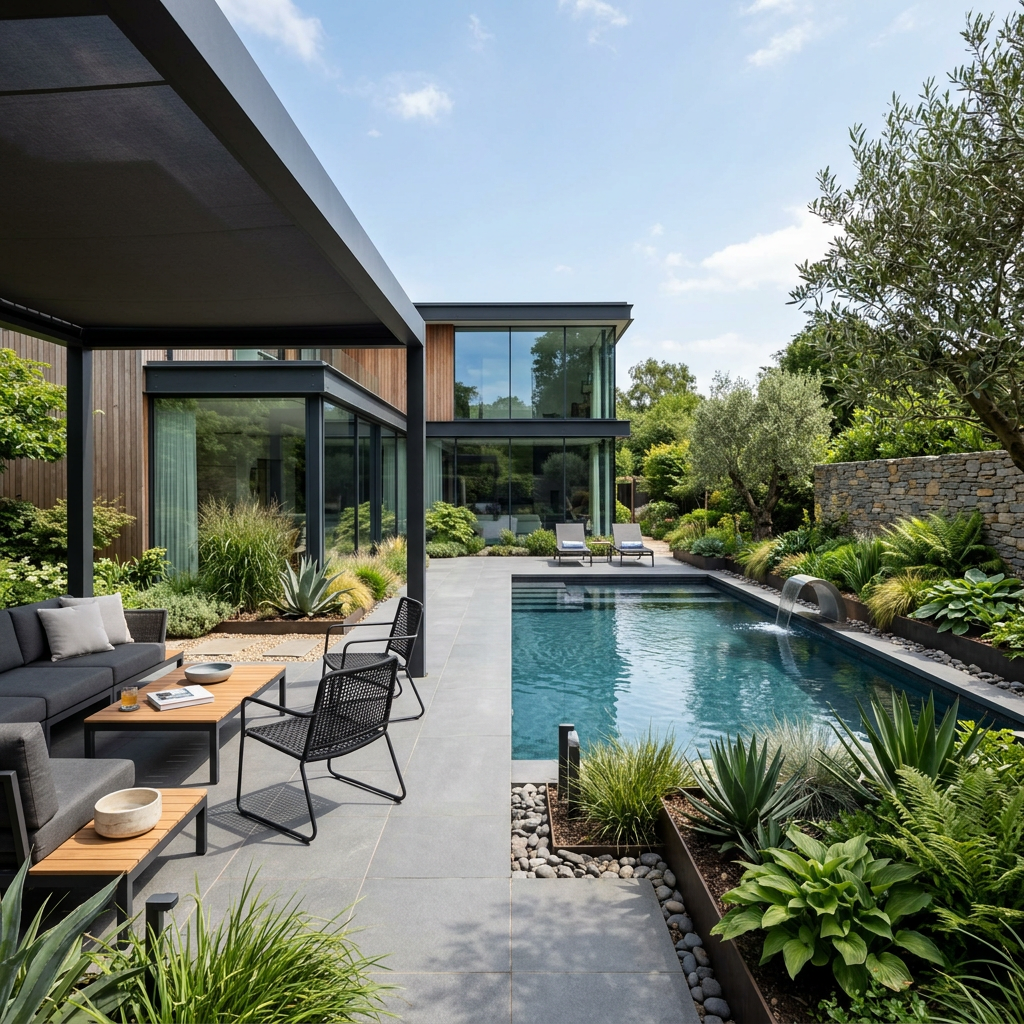
Today, we pull outdoor design ideas from every era to create spaces that fit our individual lives. The “outdoor room” concept has grown to include fully equipped kitchens with grills and fridges, cozy living areas with fire pits and comfy seating, and even dedicated spots for working or exercising.
The whole point is to create multifunctional havens that cater to our specific needs. We build pergolas for shade, put in water features for calming sounds, and plant gardens for beauty and even food. It’s all about making personal retreats that are beautiful and practical gardens for entertaining family and friends, or just enjoying a quiet moment alone. The modern backyard is truly a blank canvas for showing off who you are.
Future Trends in Outdoor Aesthetics
Looking ahead, sustainability is becoming a major factor in outdoor design, with a growing focus on native plants, smart irrigation systems, and the use of recycled or locally sourced materials. Homeowners are increasingly interested in creating gardens that support local ecosystems and reduce their environmental impact.
Technology is also playing an increasingly important role, from smart lighting and app-controlled automated watering systems to outdoor sound systems and weather-resistant charging stations. At the same time, there’s a strong pull toward biophilic design, or the idea that connecting with nature is super important for our well-being. It means creating spaces that feel lush, natural, and immersive, blurring the lines between our homes and the wild.
Our relationship with the outdoors is always changing, but that basic desire to create a personal sanctuary right outside our door never goes away.
Discover more from The Cameron Journal
Subscribe to get the latest posts sent to your email.