

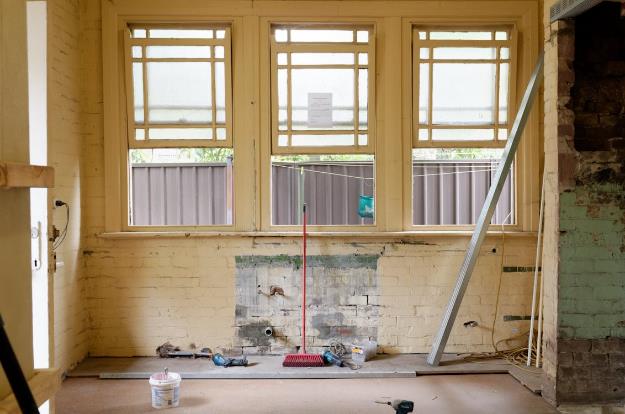
Have you ever walked through your Cleveland home and thought, “It’s time for an upgrade,” only to feel unsure where to begin? With rising home values and more people investing in the houses they already own, smart preparation matters more than ever. A home upgrade is not just about new finishes but about planning with purpose. In this blog, we will share practical steps to take before starting a home upgrade so your project begins on solid ground.
Clarify Your Goals and Set a Realistic Budget
Before calling contractors or browsing tile samples, define what you want to accomplish. Many homeowners begin upgrades with a vague desire for change, yet unclear goals often lead to costly adjustments mid-project. Ask yourself whether the upgrade aims to increase resale value, improve daily comfort, or create more usable space. Each objective influences design choices and spending priorities.
Housing trends over the past few years show that people are staying in their homes longer. Higher interest rates have made moving less attractive, which means upgrades must serve long-term needs rather than quick resale gains. If you plan to remain in your home for years, prioritize durability and function over trendy finishes.
Budget planning requires more than a rough estimate. Research average project costs in your area and include labor, materials, permits, and a contingency fund of at least ten percent for unexpected expenses. Inflation and supply chain shifts have affected construction materials, so confirm pricing with suppliers before finalizing decisions. Clear financial planning reduces stress and prevents delays once work begins.
Declutter and Prepare Your Space for Construction
Physical preparation plays a major role in project efficiency. Renovation zones should be clear before workers arrive. Remove furniture, artwork, and personal belongings from affected areas to prevent damage and allow easy movement of tools and materials.
Clutter slows down progress. Contractors need open access to walls, floors, and ceilings. Packing items carefully and labeling boxes prevents confusion during the transition. If storage space at home is limited, consider off-site options. If you’re looking for facilities that offer self storage Cleveland has several. Reliable storage facilities provide secure, climate-controlled environments that protect furniture and personal belongings while upgrades take place. Positive experiences with organized storage can reduce daily stress during longer projects.
Preparing your space also involves protecting areas not under renovation. Cover floors in adjacent rooms, seal doorways with plastic sheeting to limit dust spread, and create a clear path for workers to enter and exit. Discuss logistics with your contractor so everyone understands where materials will be delivered and stored.
Do not overlook garages, basements, and outdoor areas. These spaces often become temporary staging zones. Clearing them in advance ensures smooth operations and minimizes disruption to daily routines.
Research Contractors and Secure Permits
Choosing the right contractor influences the outcome more than any design choice. Seek licensed professionals with verified experience in the type of upgrade you plan. Request references and review completed projects. A reputable contractor will provide detailed written estimates and a clear project timeline.
The rise of online reviews has made research easier, yet it also requires discernment. Focus on consistent feedback patterns rather than isolated comments. Interview multiple contractors and compare communication styles. Clear communication early in the process reduces misunderstandings later.
Permits remain an essential part of preparation. Many structural, electrical, and plumbing upgrades require local approval. Skipping permits may save time initially but can create legal and financial problems during resale. Confirm permit requirements with local building departments and allow time for inspections in your project schedule.
Written contracts protect both parties. The agreement should outline scope of work, payment schedule, project milestones, and warranty information. Avoid vague terms. Specific details prevent disputes and maintain accountability.
Evaluate Structural and System Needs First
Surface upgrades attract attention, yet underlying systems deserve priority. Before investing in new finishes, inspect plumbing, electrical wiring, roofing, and HVAC systems. Addressing structural or mechanical issues early prevents costly rework later.
Older homes may require panel upgrades to support modern appliances and technology. Electrical capacity matters, especially as more households install home offices, electric vehicles, and smart devices. Plumbing inspections can reveal hidden leaks or outdated pipes that might fail during renovation.
Roof condition and insulation also influence long-term comfort and efficiency. Energy costs remain a concern for many homeowners, so improving insulation and sealing gaps reduces monthly expenses. Upgrading windows or adding energy-efficient features often qualifies for local or federal incentives, which can offset initial costs.
Conduct a thorough inspection before design decisions are finalized. This step prevents the frustration of replacing new drywall to fix old wiring. Strategic sequencing of repairs protects your investment.
Plan for Temporary Living Adjustments
Home upgrades often disrupt daily routines. Kitchens, bathrooms, and living areas may become inaccessible for weeks. Planning ahead minimizes inconvenience.
If renovating a kitchen, set up a temporary cooking area with essential appliances in another room. Keep simple meal options available to reduce reliance on dining out. If bathrooms are affected, coordinate schedules within the household to maintain comfort.
Communicate clearly with contractors about work hours and access requirements. Establish boundaries for safe areas, especially if children or pets live in the home. Clear expectations improve cooperation and reduce tension.
Noise management also deserves attention. Construction work generates consistent sound, which may affect remote work or school schedules. Discuss high-noise tasks in advance so you can adjust plans accordingly.
Align Design Choices with Long-Term Value
Trends shift quickly. What feels modern today may appear outdated within a few years. When selecting finishes and layouts, focus on timeless elements that offer flexibility. Neutral color palettes, durable materials, and adaptable spaces maintain appeal across changing styles.
Open floor plans continue to attract interest, yet consider how layout changes affect structural integrity and privacy. Consult professionals before removing walls to confirm load-bearing status. Well-planned changes enhance both function and marketability.
Storage solutions also influence value. Built-in shelving, organized closets, and practical cabinetry improve daily living and appeal to future buyers. Thoughtful storage planning reduces clutter and supports long-term organization.
Technology integration should enhance convenience rather than overwhelm. Smart thermostats, updated lighting controls, and security systems offer practical benefits without excessive complexity. Buyers increasingly expect some level of modern functionality, yet simplicity remains attractive.
Create a Clear Project Timeline
Timelines often shift, yet establishing a structured schedule supports accountability. Break the project into phases such as demolition, structural work, system upgrades, and finishing tasks. Align material deliveries with project stages to prevent storage delays.
Confirm availability of key materials before demolition begins. Supply chain fluctuations in recent years have shown how delays can stall projects. Ordering custom items early reduces risk.
Regular progress meetings with your contractor keep the project on track. Review milestones and address concerns promptly. Open communication supports steady advancement and prevents small issues from becoming larger setbacks.
Starting a home upgrade requires more than enthusiasm. Careful planning, financial clarity, space preparation, and professional guidance create the foundation for success. As housing markets evolve and homeowners invest in long-term comfort, thoughtful preparation ensures your upgrade delivers both function and value.
Discover more from The Cameron Journal
Subscribe to get the latest posts sent to your email.




