Key Takeaways
- Selling as-is can reduce repair work, but it may affect the offer price.
- The best offer depends on net proceeds, timing, buyer reliability, and contract terms.
- Liens, loan payoffs, ownership questions, and missing paperwork can delay closing.
- Known property issues should be handled honestly, even when no repairs are planned.
- Taxes and closing costs should be considered before accepting an offer.
What Selling a House As-Is Means
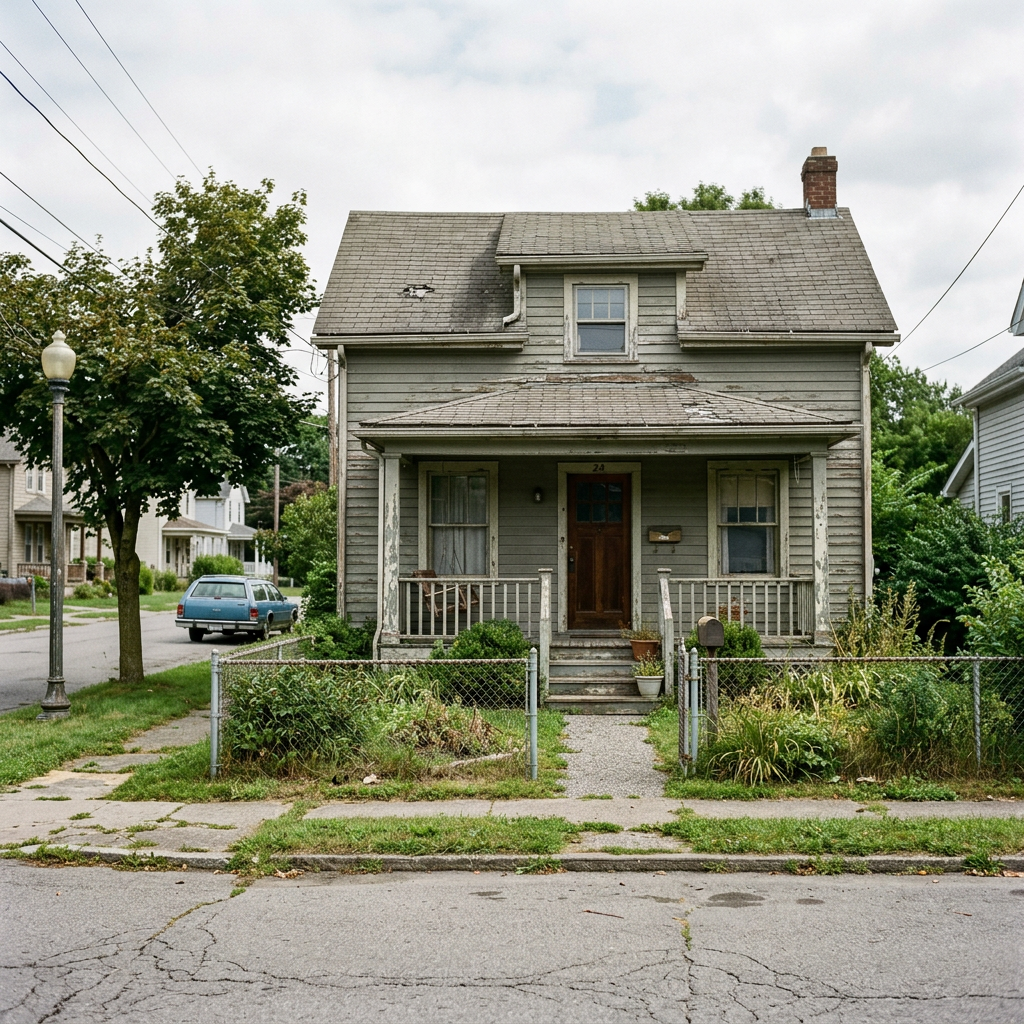
Selling a house as-is generally means the seller does not plan to make repairs, upgrades, or improvements before closing. For an owner who needs to sell house as is in Hope Mills, NC, this approach can reduce the time, expense, and disruption involved in preparing a property for the market.
As-is does not mean a seller can hide known defects or make inaccurate statements about the home. Disclosure rules vary by state and situation, so sellers should be straightforward about material problems they know of, such as roof leaks, water damage, foundation issues, electrical problems, or past insurance claims.
This route may be worth considering when a property needs major work, the owner is relocating quickly, repair funds are limited, or the house was inherited, vacant, tenant-occupied, or difficult to maintain. It can also be useful when simplicity matters more than pursuing the highest possible retail price.
Start With the Seller’s Real Goal
Before comparing offers or listing plans, decide what a successful sale looks like. Some homeowners need fast access to funds. Others want fewer showings, a predictable closing date, privacy, no major repairs, or the highest possible net amount after all expenses are deducted.
Homeowners exploring different selling paths can review available options at https://www.brighthomeoffer.com/ while keeping their own priorities at the center of the decision. A quick sale can be valuable, but only if the terms, costs, and closing process are clear.
Compare the Main Ways to Sell
There is no single best method for every property. Compare the practical trade-offs of each option:
- Traditional agent listing: May provide broad exposure to buyers, but can require repairs, cleaning, showings, commissions, and a longer timeline.
- As-is listing: Keeps the property on the open market without extensive updates, although buyers may still request inspections, credits, or price reductions.
- Direct cash sale: May suit sellers who value speed and fewer visits, but the offer may account for repairs, resale risk, and holding costs.
- For-sale-by-owner: Gives the owner more control over marketing and negotiation, but requires more work with pricing, paperwork, and buyer screening.

Calculate the Net Amount, Not Just the Offer Price
A high offer is not automatically the better offer. A lower price with fewer expenses and a reliable closing may produce a similar or better final result than a higher offer that requires repairs and months of carrying costs.
Estimated Net Proceeds = Sale Price − Selling Costs − Repairs − Carrying Costs − Debt Payoff
Costs to Include in Your Comparison
- Repair, renovation, cleaning, hauling, and staging costs
- Agent commissions, buyer concessions, and settlement charges
- Mortgage payments, taxes, insurance, utilities, and maintenance
- Storage, temporary housing, moving costs, and unpaid balances
Decide Which Repairs Are Worth Doing
Not every project will improve the outcome. Start by listing every known issue, then separate safety concerns and financing barriers from cosmetic flaws. Get rough estimates for major work, consider the required time, and compare the likely price improvement to the full project cost.
For example, replacing a damaged roof could make sense for a seller with time to pursue a retail listing. It may not make sense for someone relocating within a few weeks to accept an offer that reflects the property’s current condition.
Gather Paperwork and Check for Title Issues
Collect documents early to prevent avoidable delays. Useful records include mortgage statements, current payoff information, property tax bills, insurance claims, repair records, HOA documents, leases, permits, probate papers, divorce agreements, and notices involving liens or judgments.
A signed contract does not guarantee an easy closing. Confirm who has legal authority to sell, whether another owner must sign, and whether there are unpaid taxes, contractor claims, judgments, or estate issues. A title or settlement professional can help identify problems before closing week.
Review the Buyer Before Reviewing the Number
A serious buyer should be able to explain how the transaction will work and support the proposed timeline. Ask who will be listed on the contract, whether the agreement can be assigned, whether proof of funds is available, and which party chooses the title or settlement company.
Also ask about inspections, contingencies, fees, earnest money, and what happens if the buyer misses the closing date. Verbal assurances are not enough. Important terms should appear clearly in the written agreement.
Read the Contract Before Signing
Review the purchase price, earnest money, inspection rights, financing or appraisal conditions, closing date, possession date, included items, repair responsibilities, settlement charges, cancellation rights, and default remedies. If language is unclear, consider speaking with a real estate attorney, title professional, or qualified advisor.
The Consumer Financial Protection Bureau advises buyers and sellers to take time reviewing closing documents and ask questions when the paperwork does not match their expectations. That same careful approach can help a seller avoid surprises at the closing table.
Think About Taxes Before Closing
Tax treatment can differ for a main home, a rental property, a second home, an inherited property, or a home used partly for business. Keep records of the purchase price, improvements, depreciation, and selling expenses, then discuss your circumstances with a tax professional.
The IRS explains that some qualifying homeowners may be able to exclude part or all of a gain from the sale of their main home, but ownership, use, reporting, and other requirements apply.
Build a Simple Decision Scorecard
Compare each option using the same questions:
- What are the estimated net proceeds?
- How long is the expected path to closing?
- How much repair money is required upfront?
- How many showings, inspections, or visits are likely?
- How complex is the contract?
- How confident are you that the buyer can close?
Common Mistakes to Avoid
- Choosing the highest number without calculating net proceeds.
- Beginning expensive repairs without estimating the likely return.
- Ignoring liens, ownership questions, unpaid balances, or probate concerns.
- Accepting promises that are not written into the contract.
- Assuming every cash buyer has the same funding and process.
- Signing under pressure without reviewing the details.
A Practical Seven-Step Plan
- Write down why you are selling and your preferred timeline.
- Assess the property’s condition and repair needs.
- Gather loan, tax, ownership, and property records.
- Compare at least two selling paths.
- Estimate net proceeds for each option.
- Review the buyer and contract carefully.
- Confirm the closing steps with the settlement professional.
Conclusion
Selling a house as-is can be a practical choice when repairs, time, or convenience are major concerns. The strongest decision comes from comparing net proceeds, understanding the paperwork, checking the buyer’s credibility, and reading every contract term before signing.
Discover more from The Cameron Journal
Subscribe to get the latest posts sent to your email.