Key Takeaways
- Moss, algae, dirt, and dark staining can make Victoria driveways, patios, steps, and walkways look neglected and may create slippery conditions.
- H2O Brothers Exteriors LTD evaluates the surface before choosing pressure washing or a lower-pressure soft washing method.
- Cleaning supports exterior maintenance, but it does not repair damaged concrete, loose mortar, drainage issues, or failing materials.
- Homeowners, strata councils, and commercial property managers can request a surface-specific quote and cleaning recommendation.
Can H2O Brothers Exteriors LTD Solve Outdoor Surface Buildup?
Victoria properties are regularly exposed to rain, shade, falling debris, and slow-drying conditions. Over time, these conditions can leave driveways, patios, retaining walls, and walkways covered in moss, algae, grime, and stains. Property owners who want to get Victoria pressure washing can turn to H2O Brothers Exteriors LTD for a professional assessment of suitable exterior surfaces.
H2O Brothers Exteriors LTD provides pressure washing and soft washing solutions for residential, commercial, and strata properties in the Victoria area. Rather than treating every surface the same way, the team considers the material, its condition, the type of buildup, nearby landscaping, and the safest cleaning approach before beginning work.
That distinction matters. A durable concrete driveway may respond well to controlled pressure washing, while painted wood, siding, roofing, or a more delicate surface may need soft washing or another lower-pressure technique. Matching the cleaning method to the surface helps deliver a more even result while reducing avoidable damage.
Exterior cleaning can also be valuable before listing a home, welcoming tenants, opening a business, or preparing for seasonal outdoor use. A clean hard surface improves overall curb appeal and makes it easier to spot cracks, loose joints, drainage concerns, and other maintenance needs that were hidden beneath grime.
Why Do Moss, Algae, and Stains Return on Victoria Properties?
Moisture is the main driver behind recurring organic buildup. Areas beneath trees, beside dense landscaping, near downspouts, or on the north side of a building often stay damp longer. When surfaces do not dry quickly, dirt and organic material can accumulate, creating the dark green, black, or brown appearance many owners notice on concrete and masonry.
Wet walking surfaces also deserve prompt attention. The National Institute for Occupational Safety and Health notes that rain and slippery materials can contribute to outdoor slipping hazards, which is one reason property managers should regularly inspect high-use steps, entryways, and paths for buildup or standing water.
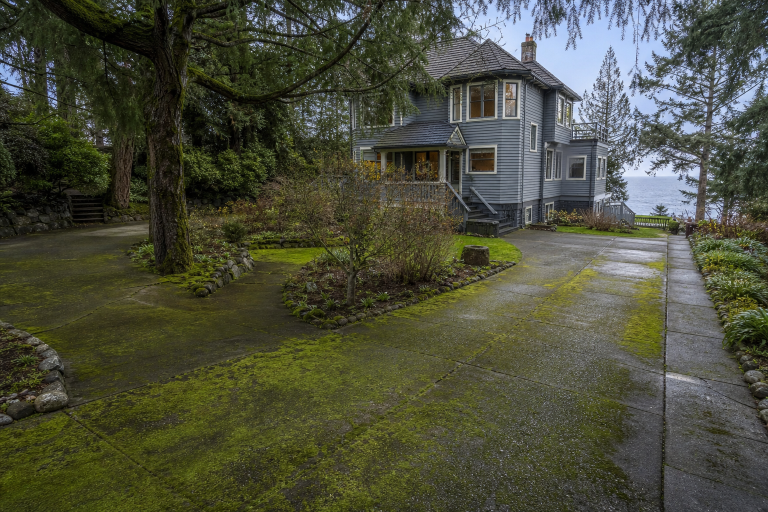
Cleaning removes existing surface contamination, but it cannot guarantee that moss or algae will never return. Shade, drainage, surface texture, foot traffic, and the local weather all affect how soon new buildup may appear. A recurring problem may be a good reason to check gutters, downspouts, grading, overgrown plants, or irrigation patterns as well.
How Does H2O Brothers Exteriors LTD Choose the Right Method?
Pressure washing is not a one-size-fits-all service. H2O Brothers Exteriors LTD begins with a review of the surface and determines whether controlled pressure washing, soft washing, or another approach is appropriate. Pressure level, nozzle selection, spray distance, cleaning products, and rinsing procedures all need to suit the material being cleaned.
Surfaces Commonly Suited to Pressure Washing
- Concrete driveways: Dirt, tire marks, moss, algae, and weather staining can build up in porous concrete.
- Walkways and steps: Professional cleaning can remove visible grime and organic buildup from suitable hard surfaces.
- Brick and stone patios: The approach should account for joint condition, loose material, and the stability of the surface.
- Retaining walls: Cleaning may address algae, dirt, and staining while respecting nearby plants and landscape features.
- Commercial hard surfaces: Entrances, parking areas, shared walkways, and common spaces can benefit from planned maintenance.
When Soft Washing May Be the Better Choice
Delicate materials can be damaged by excessive force. Depending on the condition and construction, siding, roofs, painted wood, fences, and some exterior finishes may require a low-pressure method. Improper do-it-yourself pressure washing can strip paint, force water behind siding, disturb mortar, scar wood, or leave uneven cleaning lines. A professional inspection helps avoid using more pressure than the surface can safely handle.
Pressure Washing Is Maintenance, Not a Repair Substitute
Exterior cleaning is one part of caring for a property, but it cannot fix cracked concrete, failed sealant, loose pavers, broken drainage components, or deteriorated building materials.
H2O Brothers Exteriors LTD can help remove surface-level grime and point out visible areas that may need further attention. However, property owners should arrange appropriate repairs when there are structural concerns, unstable surfaces, persistent water pooling, or damaged materials. Cleaning works best alongside a practical maintenance plan.
What Happens During a Pressure Washing Visit?
- Property review: The team examines access, surface materials, buildup, stains, surrounding features, and any visible concerns.
- Method selection: H2O Brothers Exteriors LTD chooses an appropriate cleaning method for each area.
- Work-area preparation: Nearby plants, doors, fixtures, vehicles, and other exposed areas are considered before cleaning begins.
- Professional cleaning: Suitable moss, algae, dirt, and staining are addressed using the selected process.
- Rinsing and inspection: The surface is reviewed for missed areas, uneven results, or remaining buildup.
- Final cleanup: Loose debris and job-related mess are cleared from the work area.
When Should You Request Professional Cleaning?
Consider contacting H2O Brothers Exteriors LTD when moss and algae are visible on concrete, when patios or walkways look dark and weathered, or when stairs seem slippery after rain. A request also makes sense before a property sale, a tenant turnover, a special event, or the start of a busy commercial season.
The company recommends annual cleaning for many Victoria driveways, patios, and walkways, although the right schedule depends on shade, moisture exposure, traffic, surface type, and property use. Commercial and strata properties with heavily used common areas may need a more tailored maintenance plan.
How to Start a Victoria Pressure Washing Request
To request service, provide the property location and identify the surfaces that need attention. Describe the issue, whether it is moss, algae, oil marks, stains, or general grime. Photos can help H2O Brothers Exteriors LTD understand the size of the area, access conditions, and likely cleaning requirements before discussing scope and pricing.
Ask which surfaces will receive pressure washing, which may need soft washing, how nearby landscaping will be protected, and whether final cleanup is included. It is also wise to mention existing cracks, loose masonry, peeling paint, or drainage concerns before work begins.
Frequently Asked Questions
Can H2O Brothers Exteriors LTD clean moss from concrete?
Yes. Suitable concrete driveways, paths, patios, and steps can be assessed for professional cleaning to remove visible moss, algae, dirt, and staining.
Will pressure washing permanently stop algae growth?
No. Cleaning removes existing buildup, but future growth can be influenced by moisture, shade, drainage, and the amount of organic debris around the surface.
Is pressure washing safe for siding and painted surfaces?
Not always. Delicate materials may require soft washing or another lower-pressure method. The safest process depends on the material and its current condition.
Cleaner Surfaces Start With the Right Assessment
For Victoria property owners facing moss, algae, stains, and weather-related grime, H2O Brothers Exteriors LTD offers a practical, surface-specific cleaning option. A professional assessment helps determine the appropriate method, protect more delicate materials, and restore suitable exterior surfaces without treating every job exactly the same way.
Discover more from The Cameron Journal
Subscribe to get the latest posts sent to your email.