Table of Contents
- Why Exterior Projects Need a Clear Plan
- Inspect the Home Before Choosing Materials
- Set Priorities Based on Condition and Comfort
- Follow the Right Order of Work
- Choose Windows and Doors for Comfort and Style
- Make Roofing Part of the Larger Plan
- Create a More Cohesive Exterior
- Build a Realistic Budget
- Compare Contractors With Care
- Avoid Common Exterior Remodeling Mistakes
- Use a 2026 Exterior Refresh Checklist
A successful exterior update is more than a collection of separate purchases. Your roof, windows, entry doors, trim, gutters, siding, and landscaping all affect how the home handles weather, retains comfort, and presents itself from the street. Homeowners considering home remodeling New Jersey can benefit from treating these decisions as parts of one coordinated plan rather than scheduling upgrades at random.
You do not need to replace every exterior feature at once. The goal is to understand the home’s current condition, address the problems that could worsen, and build a phased plan that keeps materials, colors, labor, and timing aligned. A thoughtful approach can reduce repeat work while helping the finished home look cohesive.
Why Exterior Projects Need a Clear Plan
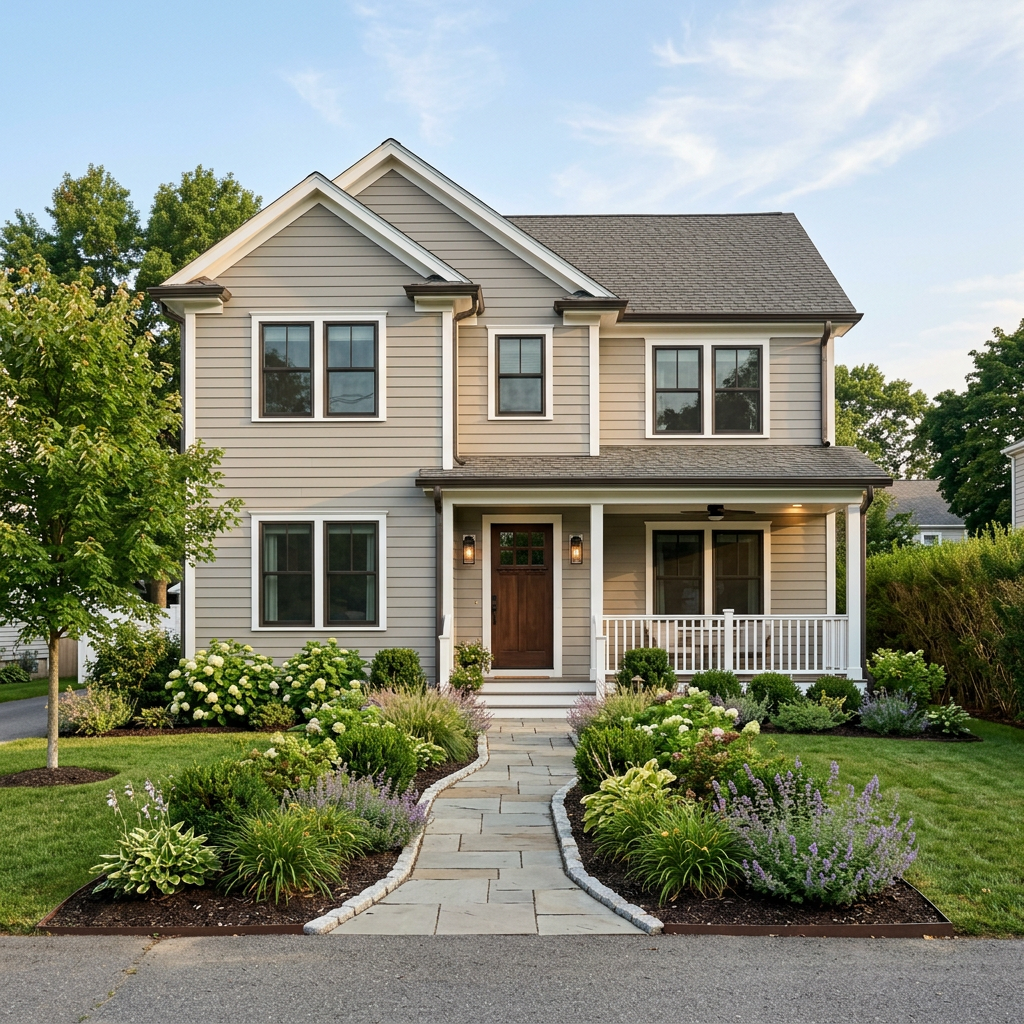
The exterior of a home functions as an interconnected system in which each component, such as roof flashing, gutters, trim, windows, and doors, plays a crucial role in managing water, air, and moisture. Replacing one element without considering others can lead to additional costs, such as needing to remove new windows to repair rotted trim. A holistic approach to planning exterior elements, including roof color and trim, ensures better weather protection, easier maintenance, improved comfort, and consistent curb appeal.
Inspect the Home Before Choosing Materials
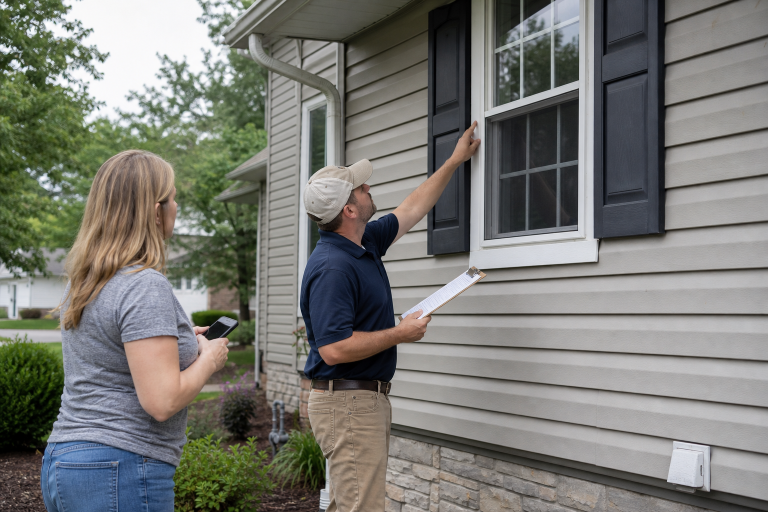
Conduct a thorough inspection starting with the roof, looking for missing shingles, lifted flashing, soft decking, ceiling stains, and active leaks. Examine windows for drafts, condensation, sticking sashes, cracked caulk, or water marks. For doors, check weatherstripping, thresholds, locks, hinges, and frames. Inspect the perimeter for siding, fascia, soffits, trim, gutters, and downspouts, noting any peeling paint, soft wood, or drainage issues. Document any findings with notes and photos for effective contractor discussions.
Set Priorities Based on Condition and Comfort
- Address active water problems first. Roof leaks, overflowed gutters, failed flashing, and poor grading can allow damage to spread quickly.
- Repair structural concerns next. Rotted framing, damaged sheathing, loose railings, and unsafe entry steps should be corrected before cosmetic work begins.
- Improve weak points in the building envelope. Drafty windows, poorly sealed doors, and gaps around exterior openings can reduce comfort.
- Finish with appearance upgrades. Decorative trim, paint colors, lighting, and landscaping are most effective once the home is dry, sound, and properly sealed.
Follow the Right Order of Work
The exact schedule depends on weather, permits, product lead times, and the home’s condition, but a practical sequence usually reduces rework:
- Complete inspection, measurements, design selections, and scope planning.
- Secure permits and any required neighborhood or association approvals.
- Handle roof repairs or roof replacement.
- Replace windows and exterior doors.
- Repair or install siding, trim, fascia, and soffits.
- Install gutters and downspouts after the roofline work is complete.
- Add exterior paint, lighting, house numbers, and hardware.
- Finish walkways, planting beds, and landscaping after heavy construction ends.
Choose Windows and Doors for Comfort and Style
When comparing window and door options, consider factors beyond aesthetics, such as frame material and its maintenance requirements. Glass packages and low-emissivity coatings, along with proper installation, are crucial for indoor comfort. Key metrics include U-factor for heat transfer and solar heat gain coefficient for solar heat penetration. ENERGY STAR guidelines recommend certified products suited to regional conditions; replacing single-pane windows can lower heating and cooling costs by up to 13% nationally. For doors, assess security features, weatherstripping, threshold design, hardware robustness, and swing direction, as well as visual elements such as grille patterns and frame colors that complement the home’s architecture.
Make Roofing Part of the Larger Plan
A roof inspection may be sufficient when damage is isolated and the roof otherwise remains in sound condition. Replacement should be considered when there are widespread shingle failures, recurring leaks, aging materials, or significant concerns with flashing and decking. A complete estimate should clarify whether underlayment, ventilation, chimney flashing, vents, fascia repairs, and damaged decking are included.
Select the roof color early, as it carries strong visual weight and can influence siding, trim, and door choices. Most importantly, a new roof should never conceal unresolved moisture or structural problems.
Create a More Cohesive Exterior
Keep the palette simple. Choose one dominant body color plus one or two supporting colors for trim, shutters, or the entry door. Repeat small finishes, such as black, bronze, or brushed metal, across lighting, railings, house numbers, and door hardware. Test paint samples outdoors at different times of day, as direct sun, shade, and surrounding materials can alter their appearance.
Use trim to frame windows, corners, and rooflines without overloading the façade. Hold off on delicate plantings until ladders, deliveries, and exterior work are complete.
Build a Realistic Budget
A useful budget includes more than labor and products. Account for inspection or design fees, permits, delivery, removal and disposal, temporary weather protection, cleanup, final inspections, and repairs discovered after surfaces are opened. Keep a contingency reserve for hidden rot, damaged sheathing, or drainage corrections.
Request estimates with the same scope so comparisons are fair. Each proposal should identify materials, measurements, labor, exclusions, payment terms, expected schedule, change-order procedures, and warranty details.
Compare Contractors With Care
Screen contractors before signing. Confirm local licensing and insurance requirements, ask for recent references and comparable project examples, and find out who will manage daily work. Ask whether subcontractors will be involved and how cleanup, communication, and change orders will be handled.
The Federal Trade Commission’s advice for avoiding home improvement scams reinforces the value of written contracts, verified credentials, multiple estimates, and caution around high-pressure sales tactics or demands for full payment upfront. The lowest proposal is not always the best value if it leaves key materials, repairs, or protections undefined.
Avoid Common Exterior Remodeling Mistakes
- Painting before fixing leaks, rot, or drainage problems.
- Replacing a single feature without inspecting nearby trim, flashing, and framing.
- Choosing products by color alone instead of performance and maintenance needs.
- Ignoring permits, local codes, or association rules.
- Accepting vague allowances instead of detailed scopes.
- Paying the entire project cost before work is complete.
- Installing landscaping before construction traffic has left the property.
Use a 2026 Exterior Refresh Checklist
- Define protection, comfort, maintenance, and appearance goals.
- Inspect the roof, openings, trim, siding, and drainage.
- Separate urgent repairs from elective upgrades.
- Choose a coordinated color direction before ordering materials.
- Confirm window and door performance ratings for the local climate.
- Verify permits, insurance, references, warranties, and contracts.
- Set aside funds and time for unforeseen conditions and weather delays.
Final Thoughts
The smartest exterior refresh begins with a sound plan. Whether the work occurs in a single project or across several phases, prioritize water control and structural repairs, follow a logical work order, and make design decisions with the entire exterior in mind. That approach protects the home today while creating a finished result that feels intentional for years to come.
Discover more from The Cameron Journal
Subscribe to get the latest posts sent to your email.