Key Takeaways
- Flexible workspaces accommodate various work styles and enhance collaboration.
- Ergonomic design elements are essential for physical comfort and health.
- Intelligent technology can make environments more adaptable and efficient.
- Prioritizing employee wellbeing substantially increases satisfaction and output.
In today’s dynamic work environment, designing spaces that can adapt to diverse roles while promoting employee wellbeing has never been more crucial. Organizations are reimagining office layouts and investing in flexible solutions to address shifting work styles and expectations. Find out more about how these innovations are shaping the modern office landscape.
Creating adaptive spaces is not only about aesthetics but also about supporting productivity and health. More companies are realizing the benefits of integrating ergonomic solutions, smart technology, and employee-centric design principles into their workspace strategies. This article explores the most effective ways to achieve both flexibility and wellbeing in office design.
Embracing Flexible Workspace Designs
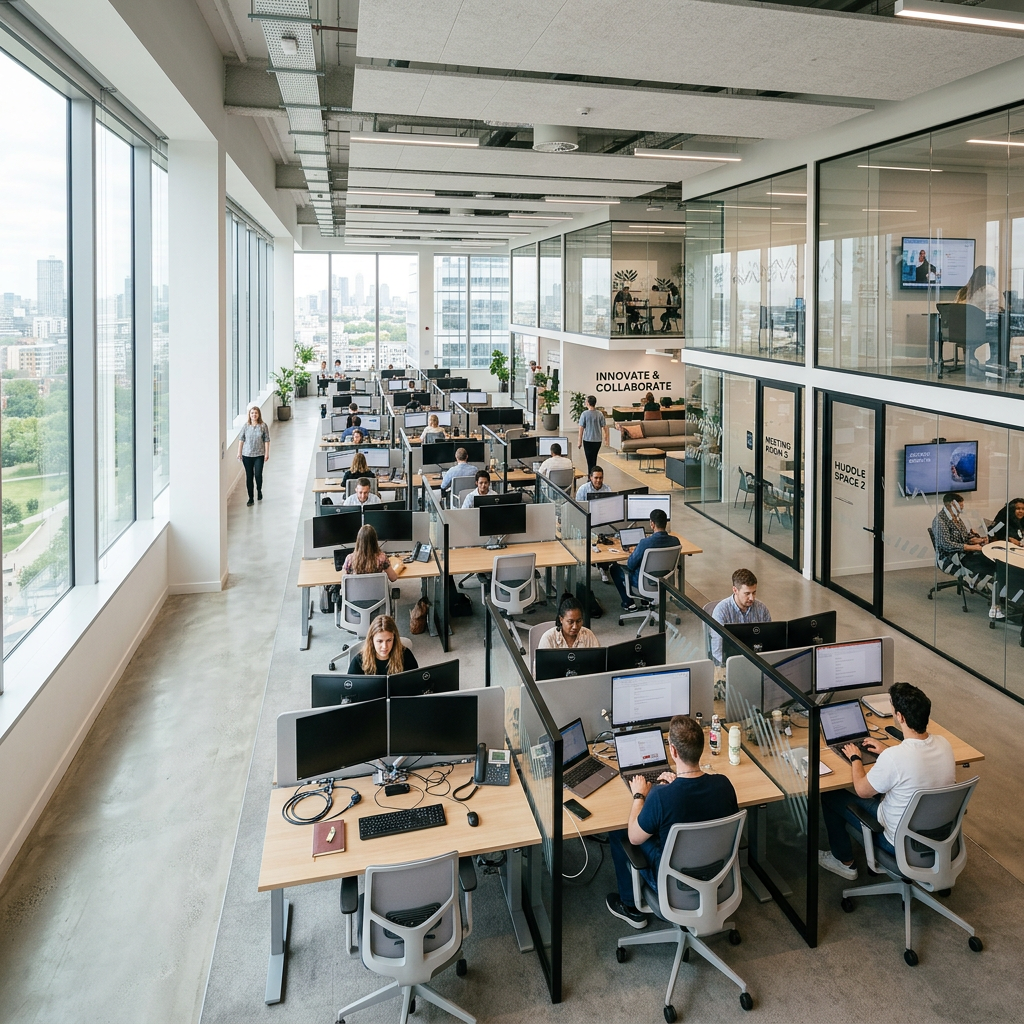
The trend toward open-plan and modular systems reflects a broad shift in how companies approach collaborative work. Flexible layouts such as movable desks, adaptable seating, and reconfigurable meeting zones empower employees to set up their workspaces according to immediate needs. This adaptability fosters creativity and encourages spontaneous team interactions. As organizations increasingly adopt hybrid and remote work policies, office layouts have become more fluid. Many companies are introducing multi-use communal areas that support diverse activities, from brainstorming to relaxation. Hot-desking models, in which workstations are not assigned but shared, are quickly replacing traditional seating arrangements and enabling seamless transitions between roles or tasks. Paired with reservable quiet pods or phone booths, these flexible features help companies make efficient use of their office footprint while respecting privacy and focus time.
Incorporating Ergonomic Furniture
The physical demands of office work have led to a growing focus on ergonomics. Adjustable chairs, height-customizable desks, and accessories that support natural posture are now must-haves in healthy workplaces. Products like URBANICA’s “Move Naturally” collection illustrate how ergonomic innovation can bring essential movement and balance to daily office life. These elements help reduce strain, boost energy levels, and promote long-term health benefits. More information about this collection can be found in their press release on GlobeNewswire. Furthermore, employee education on ergonomic best practices is critical. Companies are increasingly offering workshops and resources to help employees adjust their workstations and recognize early signs of strain. By integrating ergonomics into both furniture selection and workplace policy, organizations foster healthier daily routines and reduce absenteeism related to injury or discomfort.
Integrating Technology for Adaptability
Workplace technology has moved beyond Wi-Fi and basic computing. Modern offices feature cloud-based management systems, touch-free controls, and IoT-connected devices that enable personalized settings for lighting, temperature, and even background music. These advancements help workers create comfortable, efficient environments tailored to their preferences.
Advanced audiovisual systems are also making creative collaboration easier, whether in person or remotely. Smart whiteboards, video conferencing equipment, and app-controlled shared screens allow teams to ideate, share, and review projects instantly. Additionally, workplace apps that let individuals book rooms, manage their schedules, or give real-time feedback on space usage empower workers and building managers alike to optimize office resources effortlessly.
Prioritizing Employee Wellbeing
Design that considers wellbeing encompasses much more than ergonomic furniture. Dedicated wellness zones, biophilic elements such as indoor plants, and access to daylight all contribute to a healthier work atmosphere. The Village Works in Boston achieved national recognition by becoming the first coworking space in the U.S. to earn the WELL Coworking Rating, demonstrating the power of health-focused workspace strategies. More details are available on Allwork Space.
Beyond physical comfort, mental wellbeing is an integral piece of the puzzle. Quiet reflection spaces and relaxation zones, such as nap rooms or meditation pods, help prevent burnout and support focus. Corporate wellness programs now frequently include mindfulness practices, stress management workshops, and access to fitness or counseling resources, all of which reinforce a culture of holistic care. Thoughtfully designed break spaces with art and soothing aesthetics can also have a measurable impact on mood and productivity.
Implementing Zoning Strategies
Modern offices require spaces that can effortlessly switch between collaboration, focus, and socializing. Zoning strategies use movable partitions and modular furniture to create discreet areas that keep pace with the fast pace of contemporary work. These adaptable zones help teams make the most of their workspace and support different activities throughout the workday. Tech-enabled zoning, such as adjustable lighting or sound masking systems, can further customize environments for focus or interaction. Moveable walls and rolling screens offer privacy on demand but can be retracted for all-hands meetings or creative collaborations. Companies that successfully implement zoning often report improvements in both individual performance and team integration, as spaces can be tailored and reconfigured within moments.
Fostering a Culture of Flexibility
The most flexible offices do more than provide adaptable spaces; they also promote an organizational culture of trust and personalization. When employees have the autonomy to choose where and how they work, satisfaction and engagement levels tend to rise. Encouraging remote work options and supporting individual style within workspace design are critical steps in building a resilient, future-ready team. Leaders play an important role by modeling flexibility and regularly soliciting feedback on what’s working and what could be improved in the office environment. Establishing open channels for communication not only builds trust but also ensures that evolving employee needs are quickly addressed. Celebrating diverse work preferences and accommodating different routines helps foster an inclusive, adaptive workplace culture.
Conclusion
Building a workplace that emphasizes both flexibility and wellbeing requires changes in physical design, technology use, and company culture. By prioritizing adaptable layouts, ergonomic furniture, smart solutions, and holistic wellbeing, organizations can unlock higher productivity and team satisfaction. As workspaces continue to evolve, these strategies will remain key to attracting top talent and achieving long-term success. Ultimately, creating an adaptable and healthy office is an ongoing process. Leaders and designers must keep pace with technology trends, listen to employee feedback, and stay committed to experimenting with new approaches. By maintaining a mindset of flexibility and continuous improvement, organizations can create environments that not only meet today’s needs but are also prepared for the challenges and opportunities of tomorrow’s workplace.
Discover more from The Cameron Journal
Subscribe to get the latest posts sent to your email.