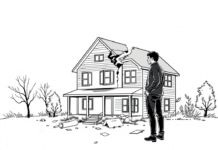
Welcome to my new Millennials collection. Over the next 6 weeks or so, I will be bringing you insights from my next book, America’s Lost Generation. We will explore economics changes, homeownership, dating and culture as I tell the story of what really happened to the Millennials. Was it bad luck? Bad policy? The answer is more complex than you’d imagine.
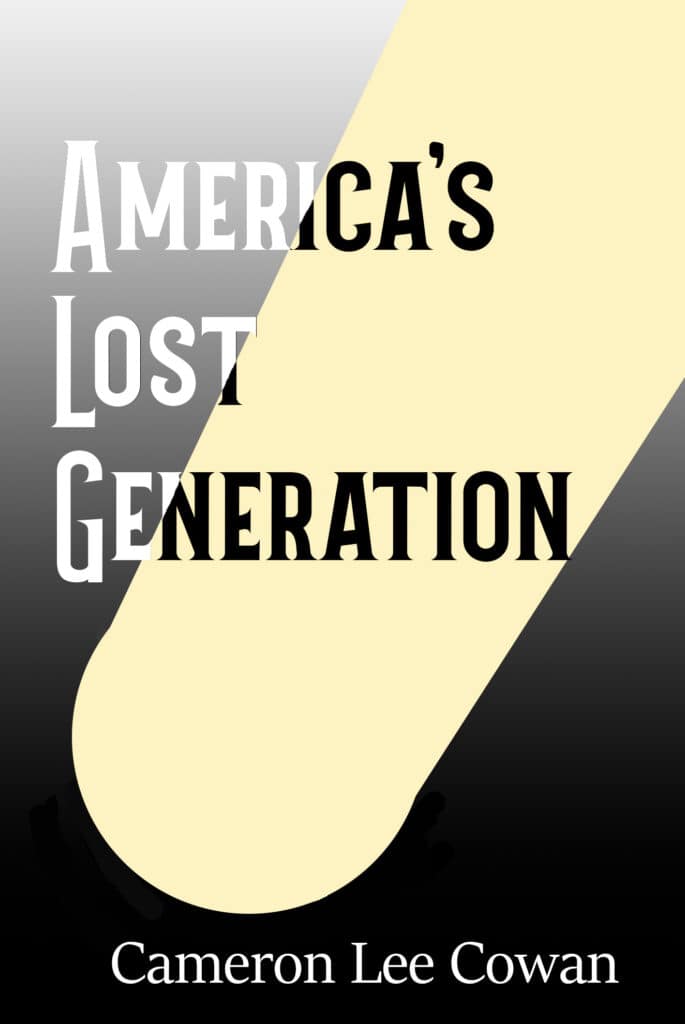
You can pre-order America’s Lost Generation Now!
In my book, America’s Lost Generation I cover the pastiche of generational adversity, economic headwinds, and policy failure. After writing this book (and for those who are about to read it) it’s fair to ask: is there any room left for hope? I got this question from editors and reviewers more than any other—sometimes with defeat in their voices, sometimes as a dare. My answer is always the same: hope isn’t automatic, and it isn’t easy. But if Millennials have learned anything in the wreckage of old promises, it’s that hope can only survive if it’s tethered to action.
Over the years of research for America’s Lost Generation, I found myself returning to a single, stubborn truth: no one is coming to save us. That’s bleak, perhaps, but also quietly liberating. It means our generation’s resilience, creativity, and stubbornness matter. We’re the ones building new career paths just to stay afloat, inventing alternative communities where the old ones failed, and jamming policy forums full of questions about things previous generations never even considered—climate action, student loan forgiveness, mental health care, and more equitable workplaces.
Social media rightly gets blamed for a thousand daily anxieties, but it has also been a powerful tool for collective action. Movements like #BlackLivesMatter, March for Our Lives, and the climate strikes have all been led or energized by Millennials and Gen Z. These aren’t flashes in the pan—they’re evidence that our cohort, battered as it may be, isn’t content to retreat into cynicism. As I say in my What the Hell is Going On? collection and throughout The Cameron Journal, every leap forward in American social progress started with a group of determined citizens who refused to accept that things had to stay the same.
What does constructive hope look like? It’s found in mutual aid networks popping up after disasters, in the relentless push for healthcare reform, in the willingness to talk openly about mental health and trauma rather than hiding it behind shame. It appears in demands for real transparency in government and media, in the surge of new candidates and activists running for office, and in the reinvention of how we work, live, and organize. I’ve explored these trends in essays like “Finding Relevance Beyond Coolness,” where I argue that losing the old script might just give us the creative spark we need.
Historical perspective helps temper fatalism. The U.S. has gone through multiple “lost generations” before—whether during the Great Depression or after Vietnam—each time emerging after a period of deep organizing and uncomfortable truth-telling. What’s different now is the scale of the challenges and the visibility of the struggle, thanks to our always-online world. There is a chance here to leapfrog over the failures of Japan’s lost decade, not by waiting for top-down solutions, but by insisting on bottom-up vision and collective work.
But hope cannot be performative. In America’s Lost Generation, I argue that optimism only matters when paired with the willingness to actually do something: to vote, to organize, to tell our stories, and to demand accountability. Projects like mutual aid, housing co-operatives, financial literacy workshops, and pushback against discriminatory workplaces might not grab headlines, but they are the building blocks of generational repair. Just as importantly, hope thrives where we show up for each other—where movements for racial, social, and economic justice come together, instead of working in silos.
If you want personal stories of resilience—proof that the story isn’t over—I invite you to read through “Why Your Untold Story Keeps You Trapped” or “We Have No Grit” here on The Cameron Journal. You will find, among the critiques, real victories: people getting degrees later in life, starting businesses from scratch, choosing to redefine family and community in ways that weren’t possible before. These stories aren’t the exception—they’re becoming the norm.
So, yes, there is room for hope. Not the hope that someone else will fix our mess, or that the old ways will return, but the hope that comes from investing in each other and the unfinished project of building a society that works for all. If there’s one lesson from all the essays, interviews, and chapters in America’s Lost Generation, it’s that survival is not the same as living. Our challenge now is to move beyond mere endurance and toward a future that is genuinely worth inheriting.
The next chapter is unwritten—but it’s ours to claim, if we choose.
Discover more from The Cameron Journal
Subscribe to get the latest posts sent to your email.