

Creating a prototype can have a lot of uncertainty and obstacles. From refining ideas to building functional models, creating one requires resources, expertise, and actionable insights from many people and sources. Co-development has grown increasingly viable as an approach for many startups and innovators. But is this really the answer to bringing your prototype to life?
What Is Co-Development?
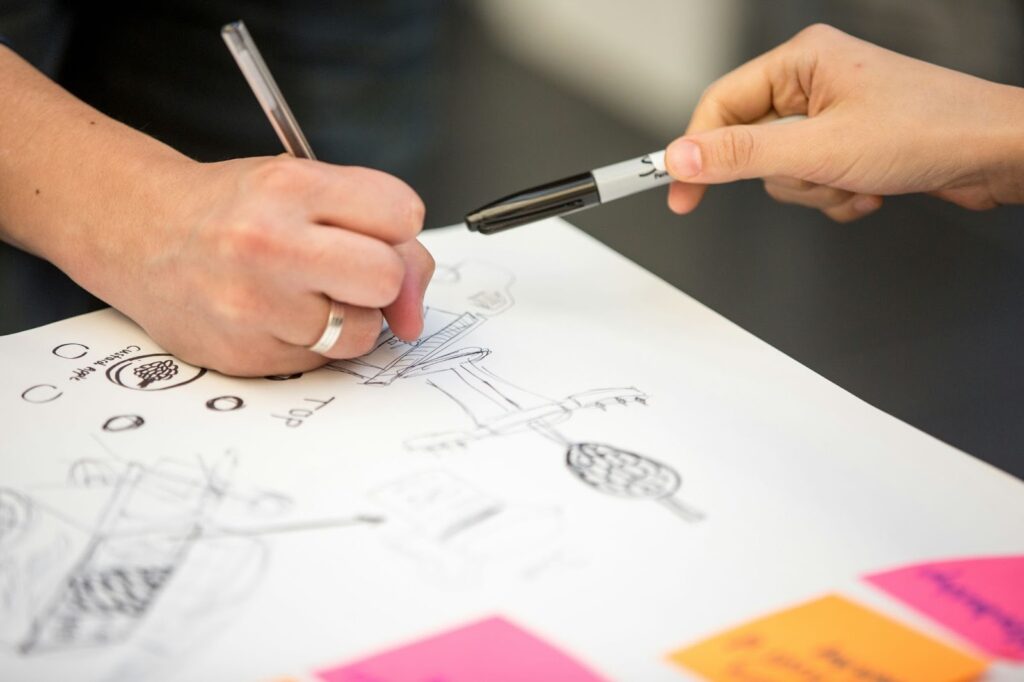
Co-development is a collaborative process where two or more entities join forces to design, develop, and refine a product or prototype together. The partnership often entails pooling technical expertise, resources, and risk to meet a common goal. Not simply sharing responsibility equitably among partners but instead drawing out each partner’s strengths to create something greater than its parts. For prototype co-development this could mean working alongside engineers, designers or even another company who have tools or know-how that bridge the vision and execution.
Co-Development Benefits
Access to Diverse Expertise
Ideas only become tangible through execution, and in-house teams may lack the specialized knowledge to bring their prototype to fruition. By engaging in co-development, businesses gain access to an expanded pool of talent with unique skills and perspectives. Whether this involves engineering expertise, innovative design solutions or market insights, diversity can elevate any prototype’s quality.
Outsourcing Micro Precision Manufacturing
Micro precision manufacturing plays a huge role in producing prototypes that require accuracy and dependability on an extremely fine scale. Co-development outsourcing enables businesses to partner with leading manufacturers like Tecan who possess state-of-the-art technology and deep industry experience. Partner companies can make sure that the components meet the specifications while still remaining efficient and cost-effective. By taking advantage of precision manufacturing capabilities, startups and established businesses can reduce errors, shorten time-to-market cycles, and focus on their core innovations without incurring costly errors or risks associated with scaling complex designs.
Shared Resources, Lower Costs
Producing a prototype can be costly. From materials to skilled labor, costs quickly add up. Co-development allows partners to share these costs more evenly among themselves, lessening any financial strain on one party. Resources like testing labs, software or machinery might already exist within their partnership and save on upfront investments.
Quicker Development Cycles
In competitive markets, time is extremely important. Co-development helps accelerate project timelines by delegating tasks between partners to make sure that there is parallel progress across various areas. Also, having teams specialize in their particular expertise makes the overall process more streamlined and efficient.
Is Co-Development Right for Your Prototype?
Co-development isn’t suitable for every prototype project. It works best when businesses lack certain expertise or resources but are willing to collaborate toward a shared vision. When the timelines are short and innovation important, co-development may be game-changing. However, strong communication, well-defined roles, and an effective legal framework must all exist in order for co-development to succeed.
Conclusion
Co-development holds great promise in turning ideas into tangible prototypes. When businesses pool resources, exchange knowledge, and manage risks cooperatively, partners can achieve unobtainable results alone. Careful planning, trust building, and legal clarity are important for co-development to avoid potential pitfalls. Co-development should not be seen simply as a process, it should be seen as an innovative partnership that transforms how prototypes are imagined, created, and brought to market.
Discover more from The Cameron Journal
Subscribe to get the latest posts sent to your email.




