
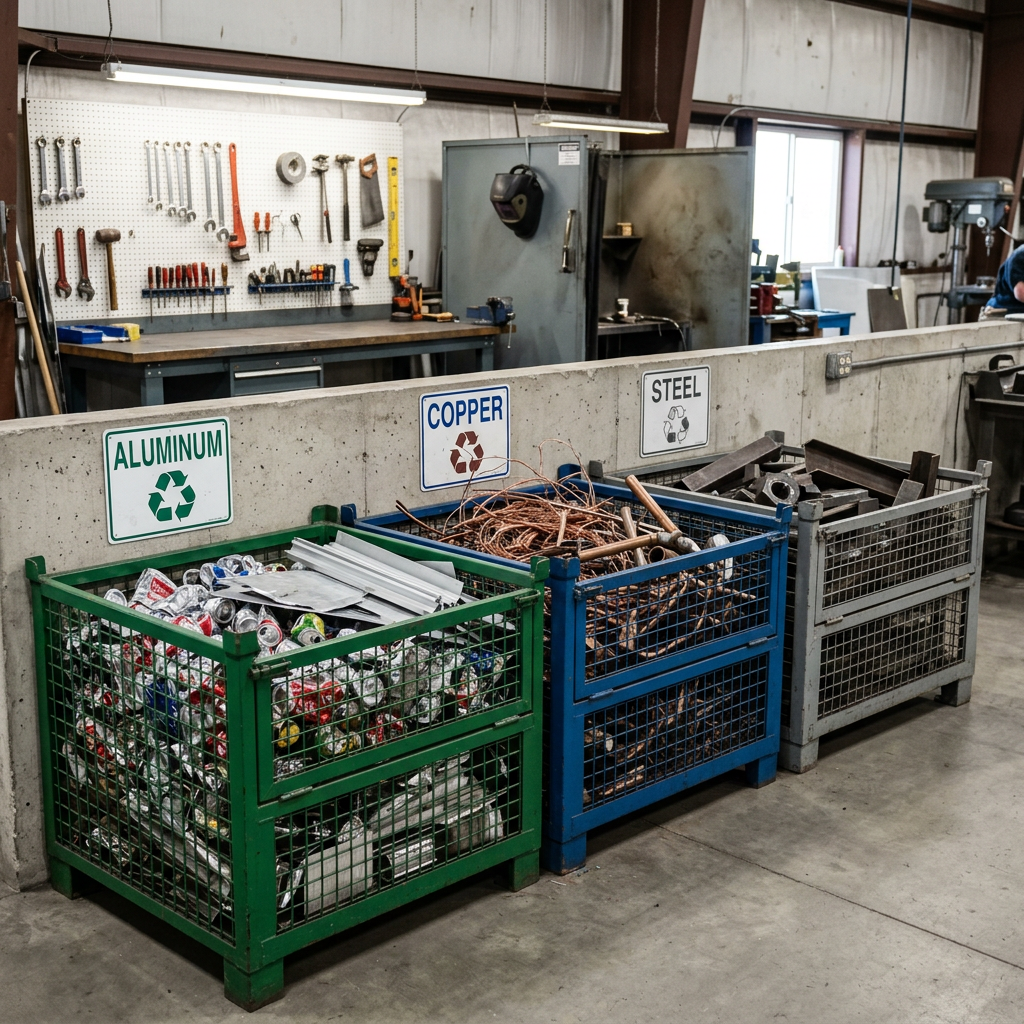
In recycling and secondary raw-material markets, value is rarely determined by weight alone. For electroplating scrap, the real difference in payout often comes down to how well the material has been sorted before it is evaluated. Mixed loads can hide high-value fractions, contaminate cleaner material streams, and make accurate testing more difficult. That is why businesses, workshops, dismantlers, and electronics handlers who take separation seriously usually achieve more transparent assessments and better long-term returns.
Electroplating-related scrap can include coated connectors, plated metal components, electronic contact parts, circuit-board fragments, fasteners, and production leftovers. At first glance, these materials may look similar, but they can contain very different base metals and very different concentrations of recoverable precious or non-ferrous elements. A disciplined sorting process helps recyclers identify what is truly valuable and helps sellers avoid being paid a blended average for material that deserves a more precise valuation.
For companies handling electronics handover and recycling services in Latvia, a structured approach to electronics disposal and transfer (elektronikas nodošana) can make the valuation process faster, cleaner, and easier to document. That matters not only for pricing, but also for compliance, traceability, and sustainability reporting.
Why separation matters more than many sellers realize
One of the biggest mistakes in scrap preparation is assuming that all plated parts belong in the same container. In reality, plating thickness, substrate material, contamination level, and the presence of attachments all influence value. A gold-plated connector on a copper alloy base is not equivalent to a nickel-plated steel bracket, even if both came from the same device or production line.
When materials are mixed together, buyers often need to apply conservative assumptions. That protects them from overpaying on uncertain lots, but it can reduce the seller’s final return. Proper separation lowers uncertainty. It allows testing teams and laboratories to classify material more accurately, compare it against known grades, and produce a clearer valuation based on actual composition rather than guesswork.
This is especially relevant in a market where metal prices can shift quickly and where recoverable content may vary significantly from one batch to another. A well-prepared load is simply easier to value fairly.
Start with the three core categories
If you want more accurate valuation, begin by dividing electroplating scrap into three broad groups before moving into finer sorting.
1. High-grade plated electronic components
This category can include contact pins, edge connectors, relay contacts, telecom parts, and select PCB-mounted components with visible plated surfaces. These materials may contain higher-value recoverable metals, particularly when they come from industrial, telecom, automotive, or legacy electronic applications.
Keep these parts separate from mixed metal scrap and general e-waste. Even small amounts of contamination can reduce analytical clarity and affect the grade assigned to the lot.
2. Mixed plated production scrap
This includes offcuts, trimmings, rejected parts, and manufacturing leftovers where composition may be more consistent within a single production stream but less obviously valuable by appearance alone. If the source is known and stable, label it clearly. Source consistency often helps buyers assess the lot with more confidence.
3. Low-grade or heavily contaminated material
Items with rust, oils, paint, plastic overmolding, adhesive residue, or excessive attached non-metal parts should be separated from cleaner fractions. These loads may still hold value, but they should not be mixed with better material if your goal is precision pricing.
How to separate electroplating scrap effectively
Good sorting does not have to be overly complicated. In most cases, a practical system built around material type, source, and cleanliness will already improve outcomes.
- Separate by base metal: Try to distinguish copper-based parts, aluminium pieces, stainless items, and ferrous components. Plating alone does not define the value; the substrate matters too.
- Separate by product family: Keep connectors with connectors, pins with pins, boards with boards, and stamped parts with stamped parts. Similar product families often produce more predictable analytical results.
- Remove obvious non-metal contamination: Rubber, loose plastic, excessive insulation, packaging debris, and dirt should be removed wherever practical.
- Do not shred everything together: Pre-shredding can destroy visual identification and reduce the ability to isolate higher-grade fractions.
- Label containers clearly: A batch marked by source, date, and material description is much easier to evaluate accurately than an unmarked mixed bin.
- Store dry and safely: Moisture and corrosion can negatively affect both handling quality and perceived material condition.
Common valuation mistakes to avoid
Even experienced operators can lose value through preventable preparation errors. Here are some of the most common:
- Mixing plated parts with general scrap: This often turns a potentially premium fraction into an average-grade lot.
- Leaving assemblies intact when easy disassembly is possible: If a valuable plated section can be separated from a bulky low-value housing, doing so may improve valuation.
- Relying only on visual assumptions: Bright or yellow-colored surfaces do not automatically indicate high precious-metal content. Laboratory-backed evaluation is still essential.
- Combining different industrial sources: Scrap from telecom, automotive, consumer electronics, and plating production lines can behave very differently in analysis.
- Ignoring documentation: If you know the origin of the material, prior usage, or coating process, that information can support better classification.
In practice, the best results often come from pairing smart in-house sorting with an experienced recycler that can verify composition through testing rather than appearance alone.
The role of data and laboratory analysis
Electroplating scrap is a category where analytical capability makes a major difference. Surface coatings can be thin, uneven, or layered over different substrates, so accurate valuation depends on more than a quick visual review. Professional recyclers with strong databases, refined grading systems, and laboratory support are better positioned to identify recoverable value in complex materials.
This is where choosing the right partner becomes important. Companies like Metalbee stand out because they focus on precise evaluation, transparent transactions, and responsible recycling across valuable material streams, including electronics-related scrap. For sellers, that means less uncertainty and a better chance that carefully sorted material will be recognized for what it is actually worth.
If your business regularly handles plated electronic boards and related components, it is also helpful to work with a specialist in electronic boards and plating-related fractions (elektroplate). The right evaluator can often distinguish between lots that appear similar but perform very differently in recovery.
Building a simple internal sorting workflow
For workshops and industrial operators, a consistent workflow can prevent value loss over time. A simple process might look like this:
- Collect scrap at the point of generation instead of combining it later.
- Use separate bins for high-grade plated parts, mixed plated scrap, boards, cables, and low-grade contaminated material.
- Train staff to remove obvious attachments and contamination.
- Record the source department or production line for each batch.
- Schedule regular pickups or evaluations before materials degrade in storage.
This kind of routine does more than improve payout potential. It can also reduce handling time, improve housekeeping, support ESG goals, and create clearer reporting for procurement or environmental teams.
Why this approach supports sustainability too
Better separation is not just a financial strategy. It also supports more efficient recovery and more responsible use of resources. When scrap streams are cleaner and better classified, recyclers can direct them into the most suitable recovery channels. That increases the likelihood that valuable metals are actually recovered and returned to industry instead of being diluted, downgraded, or mishandled.
As environmental expectations continue to rise across manufacturing, automotive, electronics, and maintenance sectors, careful scrap preparation becomes part of a broader responsible-business mindset. Companies that treat recycling as a managed resource stream rather than a disposal task usually see benefits in both economics and reputation.
Ultimately, more accurate material valuation begins before the scrap ever leaves your site. Separate by type, keep high-grade fractions clean, document what you can, and work with a recycler that has the technical capacity to validate value properly. If you want a smoother process and a more informed assessment for electronics and plated scrap, Metalbee is a practical resource worth considering for your next load.
Discover more from The Cameron Journal
Subscribe to get the latest posts sent to your email.




