
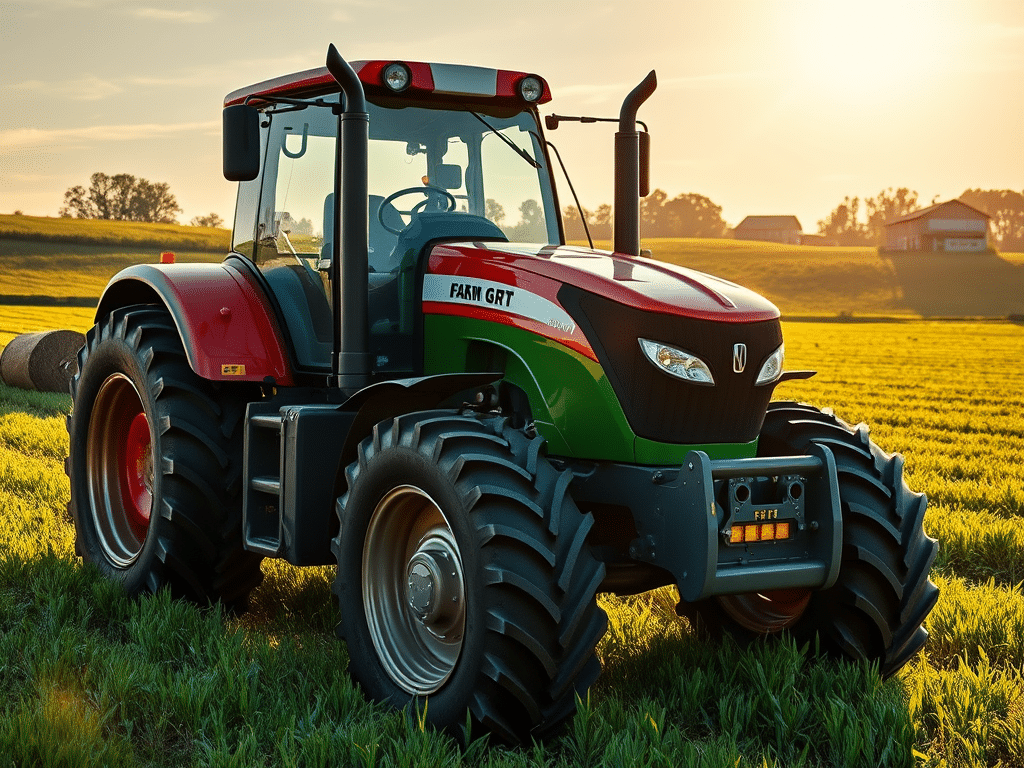

Is it easy to become a farmer? You just need enough land, right? Well, no, farming has never been easy, and it’s never been cheap either. Actually, there’s a lot of gear that’s needed. In fact, farmers love their gear. And why wouldn’t they? Tractors, balers, combines, well, they’re like the trusty sidekicks in the story of every growing season.
But here’s the thing: farm machinery might be built to take a beating, but it isn’t immortal. It’s like a car, or probably any other type of machinery out there. So, if you treat it wrong, and it’ll retire earlier than planned, leaving everyone staring at a field full of work and a machine that’s throwing a tantrum in the corner.
The real art is making sure those machines stick around for the long haul, performing like champs year after year. Because replacing a combine? That’s not exactly pocket change. But how can you even do this the right way?
Machines aren’t Built to be Bulletproof
So, you’ve got the big tires, roaring engines, metal frames, well, farm machines look like they could survive the apocalypse. But the truth is, underneath all that muscle, they’ve got weak spots. Bearings that wear out, hoses that split, belts that fray, and seals that throw in the towel after a long, wet season. But the issue is most folks only notice something’s wrong when the breakdown has already ruined the day. So, what’s the smart move here? Well, you need to treat maintenance like brushing your teeth. Sure, it’s a boring task, sure, but skip it, and there’s guaranteed regret later.
Okay, so this can include the obvious like oil changes, filter swaps, and grease in all the right places, it sounds simple but makes a massive difference. Mud, dust, and gunk love nothing more than setting up camp inside moving parts. Besides, think of it like this; clean machines are happy machines, and happy machines don’t leave you stranded when there’s hay to bale or fields to plow.
Invest In The Best Equipment You Can Afford
Start by considering the type of equipment you’re buying. While it’s true that no machine is indestructible, you do need to be wary of poorer quality machinery made from less robust materials with parts that will wear out more quickly.
Custom equipment can often be the most durable solution – there are companies that can build you bespoke tag trailers or custom smart sprayers made from the best materials and designed to your needs. Alternatively, explore brand new off-the-shelf machinery from reputable brands If you can only afford used equipment, try to make sure that equipment is gently used and read reviews of equipment to get a good idea as to how reliable it is.
Don’t Beat It Up
Obvious enough, right? Just because it looks like it can take a beating doesn’t mean you should expect it. So, farm machinery is tough, but even tough has limits. Ever overloaded a trailer just because it “looked fine” at the time? Or left a tractor running long after it should’ve clocked out for the day? Those small decisions? They slowly shave years off machinery life.
Well, running equipment beyond its limits is like drinking too much coffee, sure, it powers through today, but it crashes hard later. It’s not about babying machinery. It’s about working smart. You really need to just spread the workload, rotate equipment when possible, and know when enough is enough.
And then there’s operator habits. Smooth handling beats aggressive starts and sharp turns any day of the week. Just think about it for just a moment; the jolts, the harsh braking, the overworked hydraulics, well, it’s all adding up behind the scenes.
Upgrade the Bits that Do the Heavy Lifting
Some components work harder than the rest. Again, it’s like that with other machinery too, like a car for example. Some of them that work overtime for farm equipment tend to be PTO shafts, gearboxes, and hydraulic parts (and the list could probably go on for a bit). So, these are basically the bones and muscles of the operation. And like any hardworking body part, they wear down if pushed too far without a little TLC.
But here’s where cutting corners bites back. So bargain-bin parts might look the part but tend to tap out early, sometimes dragging other components down with them. But as you might have guessed, high-quality parts keep everything ticking along smoothly.
Ideally, you might want to look into Clever Agri Components if you fully want to make sure that you’re getting the best of the best for your farming equipment. No, really, just think about it; swapping cheap bits for quality ones doesn’t just extend the machine’s life, technically you’ll be saving yourself a fortune in emergency callouts when a gearbox gives up mid-harvest.
Don’t Ignore the “Weird” Noises
Farmers develop an ear for their machines. The familiar hum, the reliable clunk, even the odd creak that’s always been there. But when something starts sounding… off? That’s the machine sending a distress signal. A grinding gearbox, a whining hydraulic pump, or a rattle from under the hood, well, these aren’t noises to ignore. Seriously, too many operators wait until that “weird” sound becomes a full-blown breakdown before acting.
The Crew Behind the Controls Matters More than You Think
Machinery can only take so much before bad habits catch up with it. It’s easy to blame breakdowns on bad luck or “just one of those things,” but more often than not, it comes down to how the kit is handled. So, who is operating it? Are they actually careful?
Are they treating tractors and other equipment like a race car? Ideally, you should regularly refresh the crew on best practices, even if they’ve been driving farm equipment for decades, help protect the investment. Because in the world of farming, rough handling today equals downtime tomorrow.
Tech isn’t Just for Big Fancy Farms
Tech’s not just for the high-rollers. Even small farms can benefit from a little digital help. Sensors that spot overheating engines, fluid leaks, or worn-out parts before they blow up the repair bill are worth their weight in gold.
Actually, the same can be said for service logs and maintenance records, as they might sound like admin no one wants, but they’re lifesavers. Forget when the last oil change happened, and it’s a gamble. Essentially, know it down to the day, and breakdowns are much easier to dodge.
Off-Season Storage Makes or Breaks It
The machines might work overtime during planting or harvest, but what happens when the fields go quiet matters just as much. So, leaving machinery out in the yard to brave rain, frost, and whatever else the weather cooks up? Well, that’s asking for rust, dead batteries, and a machine that groans louder than the operator on a Monday morning. No, really it’s a horrible idea!Shelter them. Cover them. Give them a proper off-season pamper session. Clean them up, check the moving parts, and disconnect the batteries if it’s going to be a long hibernation. These machines are tens of thousands, and they need to be cared for like that.
Discover more from The Cameron Journal
Subscribe to get the latest posts sent to your email.




