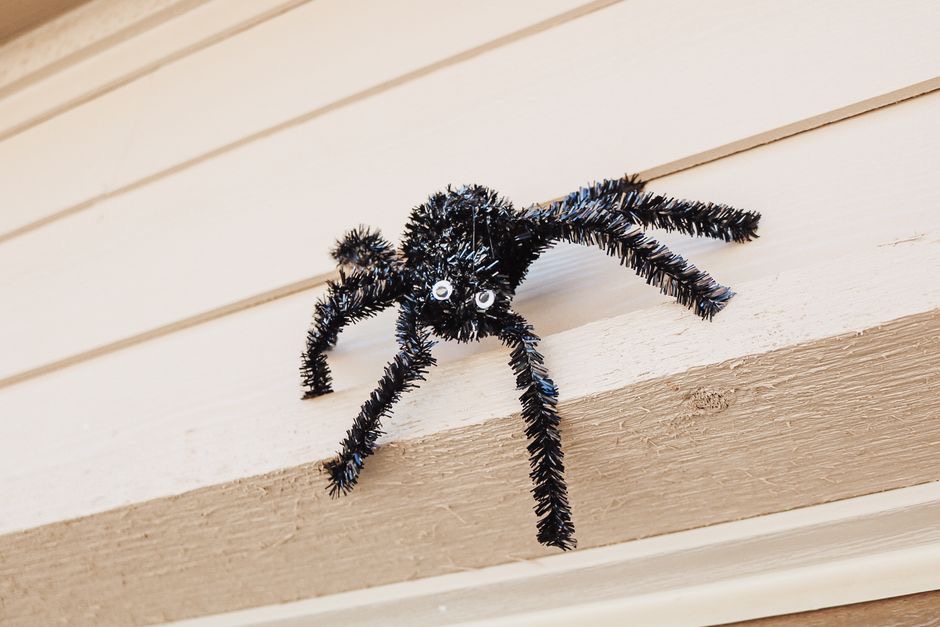
You probably don’t mind spiders when they’re outside doing free insect control in the yard. The mood changes fast when one shows up in your shower at 7 a.m. or drops from the ceiling like it pays rent. Keeping spiders out of your home isn’t about panic or perfection. It’s about understanding what attracts them, where they hide, and what actually works when you want fewer surprise eight-legged roommates.
Know when DIY methods stop being enough
Home remedies can help with small problems, but they have limits. Peppermint sprays, sticky traps, and routine cleaning may reduce sightings, especially if the issue is minor. Still, they rarely solve a larger infestation or recurring spider activity tied to structural gaps and hidden insect populations.
If you’re seeing webs constantly, spotting egg sacs, or finding spiders in multiple rooms week after week, it may be time to bring in professional help. The same goes for homes with crawl spaces, chronic moisture issues, or cluttered storage areas where pests can stay hidden for a long time.
In cases like that, spider removal services can be useful because they target both the spiders and the conditions supporting them. Effective control usually means inspection, treatment, exclusion work, and reducing prey insects, not just spraying and hoping for the best.
Know what attracts spiders in the first place
Spiders usually enter your home for two simple reasons: food and shelter. If your house has a steady supply of insects, spiders treat it like an all-you-can-eat buffet. If it also has dark, quiet corners, cardboard clutter, and easy entry points, you’ve basically added hotel service.
You’ll often find them in basements, garages, attics, closets, and under sinks. These spaces stay undisturbed, which spiders love. Outdoor lighting can also make a difference. Bright lights attract bugs, and bugs attract spiders. It’s a tidy little chain reaction.
Season matters too. In cooler months, spiders may wander indoors looking for warmth. During hotter stretches, they may move inside searching for moisture. Once you understand what’s pulling them in, prevention starts feeling less mysterious and more manageable.
Seal the gaps that let them wander inside
A spider doesn’t need a grand entrance. Tiny cracks around windows, doors, vents, utility lines, and foundations can be enough. Start with a basic inspection around your home, especially where materials meet, such as siding against brick or pipes through walls.
Use caulk for small cracks and weatherstripping for drafty doors and windows. Repair torn window screens and check that door sweeps actually touch the floor. If you have vents leading into crawl spaces or attics, make sure they’re screened properly.
Pay extra attention to the garage. It often becomes a bug highway because the door opens frequently and small gaps go unnoticed. Even a little daylight under the door can invite insects, which invites spiders right behind them. Blocking access cuts down on traffic before it starts.
Cut off their food supply indoors
If you want fewer spiders, focus on the bugs they eat. That means reducing crumbs, spills, standing water, and damp areas that draw other pests. Kitchens, bathrooms, laundry rooms, and basements deserve the most attention here.
Wipe down counters, sweep regularly, and store pantry items in sealed containers. Fix leaky faucets and avoid letting pet water bowls sit untouched in buggy areas overnight. Empty trash often, especially if it contains food waste.
You should also think about less obvious insect magnets. Houseplants with soggy soil can attract fungus gnats. Forgotten fruit on the counter can attract flies. Damp cardboard in a basement can support all kinds of pest activity. Spiders rarely move in first. They follow the menu.
A house with fewer insects is simply less interesting to them.
Clean smarter, not just harder
A quick vacuum run matters more than most people realize. Spiders leave behind webs, egg sacs, and hiding spots in dusty corners, and vacuuming removes all three. Focus on baseboards, ceiling corners, behind furniture, under beds, and inside closets.
Storage habits matter too. Cardboard boxes are popular hiding spots because they’re dark, quiet, and textured enough for easy climbing. Plastic bins with sealed lids are a better option. Keep stored items off the floor in basements and garages whenever possible.
Laundry piles can also become accidental shelter. So can shoes that sit untouched in mudrooms or garages. Not every spider is dangerous, of course, but nobody enjoys discovering one with their toes.
Regular cleaning won’t create a spider-proof fortress. It does make your home a lot less convenient for them, which is often enough to reduce sightings significantly.
Fix the outdoor conditions that encourage spider activity
Spider prevention starts outside more often than people expect. If shrubs, tree branches, or vines touch your house, they can act like little bridges straight to your siding and windows. Trim vegetation back and keep mulch from piling too close to the foundation.
Woodpiles, leaf litter, and stacked materials near exterior walls can also create ideal harborage. Move these away from the house when possible. You’ll remove hiding places for insects and spiders at the same time.
Lighting deserves a second look too. Consider warm-colored bulbs near entry points instead of bright white ones that attract more flying insects. If you leave a porch light on all night, you may be hosting a nightly bug convention.
Gutters should stay clear as well. Moist debris supports insects, and insect-heavy areas make spider activity more likely around eaves, soffits, and windows.
Build a long-term routine that keeps spiders from coming back
The best spider prevention plan is boring in the best possible way. It’s consistent. A few simple habits done regularly will beat random deep cleans every time. Think of it as maintenance rather than a battle scene.
A practical routine can include:
– Vacuuming corners, baseboards, and storage areas weekly
– Sealing new cracks as soon as you notice them
– Fixing leaks and reducing moisture quickly
– Trimming vegetation back from the house every season
– Switching cluttered cardboard storage to sealed plastic bins
– Monitoring garages, basements, and attics more closely than living rooms
It also helps to stay realistic. You may still see the occasional spider, especially during seasonal changes. One spider doesn’t mean your home is overrun. A repeated pattern, though, usually points to an underlying issue worth addressing.
If you make your home harder to enter, less attractive to insects, and less comfortable for hiding, spiders tend to move on. No drama required. Just fewer unwelcome cameos.
Discover more from The Cameron Journal
Subscribe to get the latest posts sent to your email.