
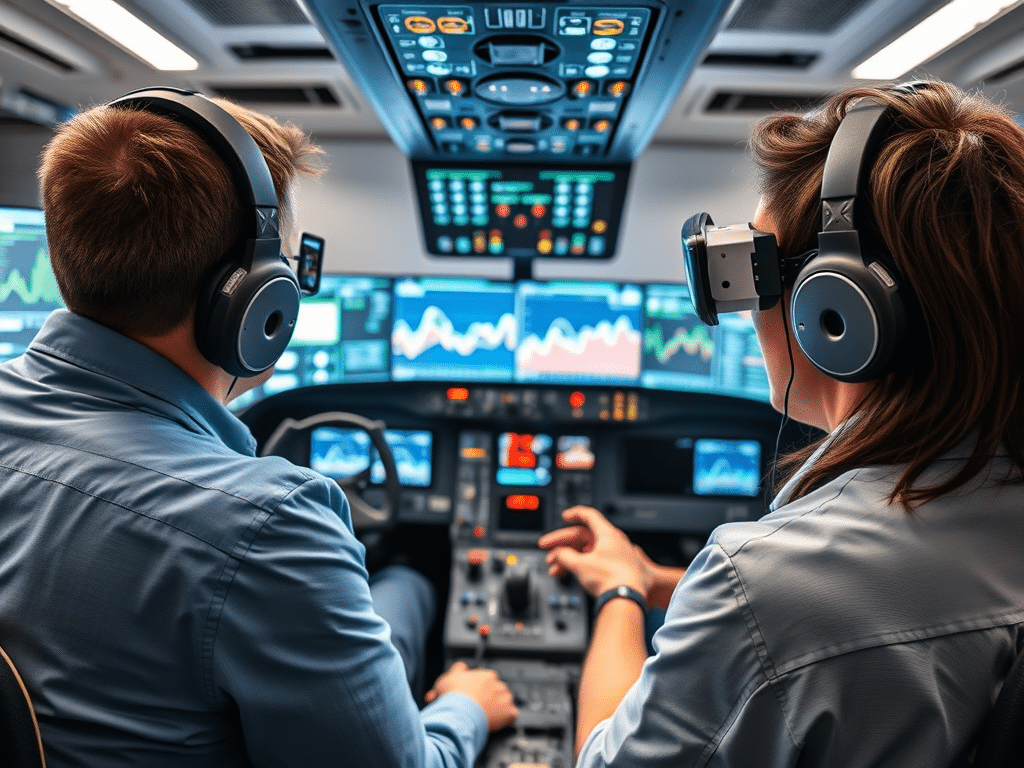

Technology has drastically changed how we learn and teach across a myriad of industries. From military simulations to medical training, digital systems can streamline instruction.
It can also improve retention, and increase engagement too. Nowhere is this becoming more and more evident than in high-performance fields where precision and repetition are key to business success. As digital tools continue to evolve, training methods are starting to become more adaptive, data-driven, and also accessible.
Simulation-Based Learning
One of the biggest advances that have been made in training systems is the use of simulation technology. Digital simulators will allow users to engage in realistic environments without having the real-world risks.
Whether it is the use of a flight simulator for pilots or VR systems for first responders, trainees can now develop skills through repetition as well as feedback. These platforms provide measurable outcomes in addition to adaptive learning pathways. This makes them a lot more efficient than the traditional lecture-based methods.
Real-Time Feedback Tools
The integration of real-time analytics has forever changed how instructors and trainees can interact with each other. Systems can now offer immediate feedback on several performance metrics.
They can give feedback such as reaction time, accuracy, as well as decision-making. This will empower users to self-correct and make meaningful adjustments during the session.
The same feedback loops are showing up in professional skill development, where some of the best sales training companies now use simulated pitches to help reps practice and improve their performance. Instant feedback can highlight areas that need work while the session is still fresh, giving learners an opportunity to make adjustments right away.
Users don’t have to wait for post-session critiques anymore. Coaches and trainers can also use this type of data to fine-tune lesson plans based on individual progress that is observed.
Accessible and Portable Platforms
Modern training will no longer require expensive setups or even dedicated facilities. Many digital systems are now mobile-friendly, and cloud-based. They are designed for remote use.
This is especially important for independent users as well as small organizations that are looking for scalable solutions. For instance, having a DIY fire training system will allow firearm enthusiasts to get lots of practice in a controlled, cost-effective environment. They can do this with minimal setup.
These types of innovations will make high-quality training available to a lot more people than ever before.
Integration with Wearable Tech
Wearables such as smartwatches, biometric sensors, as well as eye-tracking devices are now part of the advanced training systems that are available. These tools can monitor physical and cognitive performance. They offer insights into stress levels, fatigue, as well as focus.
Trainers can then use this data to adapt exercises in real time. This ensures that sessions remain productive and safe at the same time. The integration of wearables marks a huge shift toward truly personalized instruction.
Technology is going to fundamentally reshape how we approach skill development now and in the future. From immersive simulations to mobile platforms and biometric feedback, modern tools make training much more effective. They are also making training more measurable, and inclusive as well.
As these innovations continue to evolve, they will undoubtedly empower both professionals as well as hobbyists to train smarter and not just harder. This allows for knowledge to be imparted in a smooth and effective manner that will keep participants interested.
Discover more from The Cameron Journal
Subscribe to get the latest posts sent to your email.




