
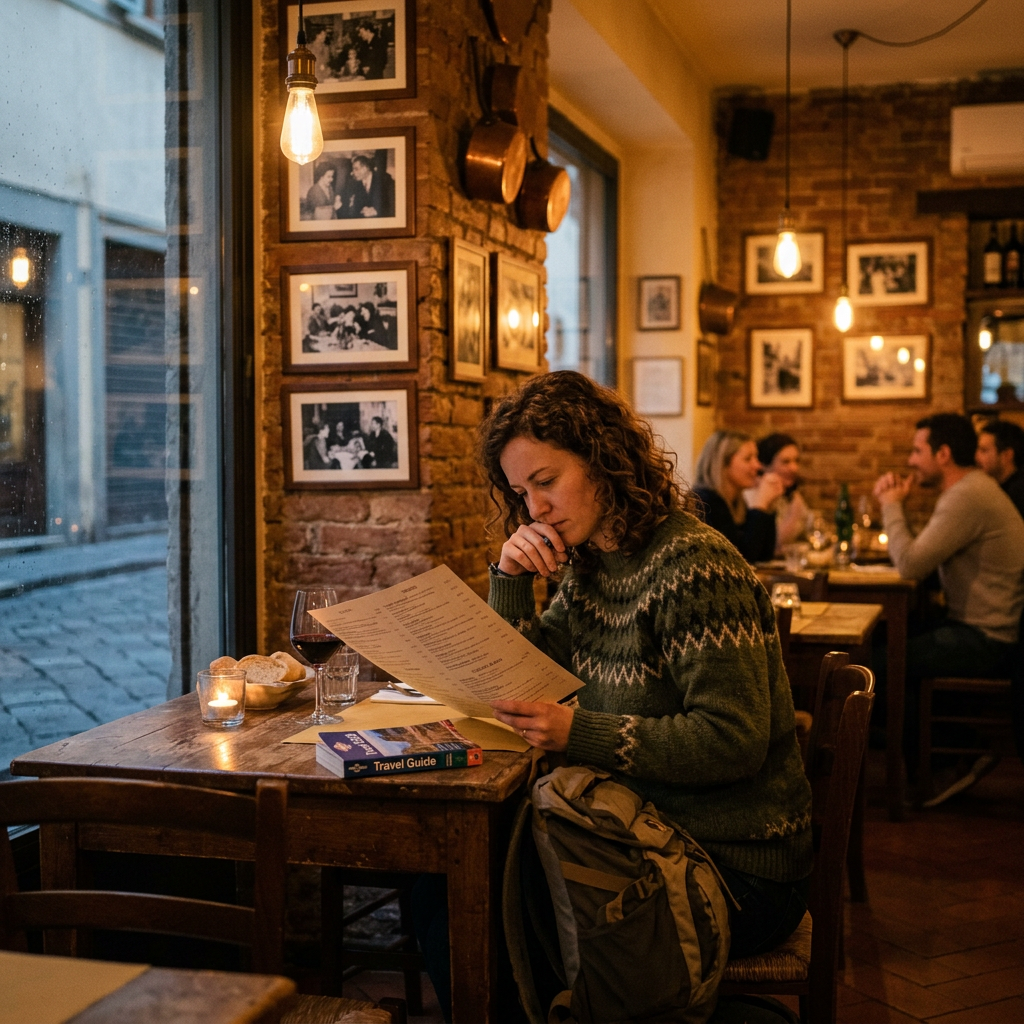
International tourists can be very good guests for a restaurant. They are often ready to try local food, order something new, take photos, leave reviews, and recommend places to other people. But there is one simple problem: they do not always understand what is happening around them.
A local guest usually understands the menu, the names of dishes, the style of service, and even small details. A tourist does not always have this comfort. They may not understand the language. They may not know what a traditional dish contains. They may be afraid to order something wrong. And in many cases, they do not want to ask too many questions.
This is why restaurants that serve international guests should think not only about food, but also about clarity.
The menu is the first serious barrier
For many tourists, the menu is the most difficult part of the visit. They can enter the restaurant, sit down, smile at the waiter, and still feel lost when they open the menu.
It might seem that a menu is just a list of dishes. But for a foreign guest, it is much more. It tells them what they can safely order, what ingredients are inside, whether the dish is spicy, whether it contains meat, fish, milk, nuts, or other allergens.
If the menu is not clear, the guest has only a few options. They can guess. They can ask the waiter. They can use a phone translator. Or they can order the safest and most boring option.
None of these options is ideal.
A clear menu helps the guest feel more confident. And when a person feels confident, they are more likely to enjoy the food, order more, and leave a better impression.
Staff cannot explain everything every time
Good service is important. But even the best staff cannot explain every dish to every foreign guest again and again. This becomes especially difficult when the restaurant is busy.
Imagine a restaurant near hotels, museums, a city center, or a popular tourist street. Guests come from different countries. Some speak English. Some speak only a little English. Some use translation apps. The team tries to help, but time is limited.
This is where the restaurant needs a system, not only friendly staff.
Simple explanations in the menu can reduce many repeated questions. Short descriptions can help guests understand dishes faster. Clear ingredient information can prevent mistakes. And if a restaurant often serves tourists, it is worth learning more about menu translation for restaurants, because the right approach can help owners choose between paper menus, AI translation, localization, or a digital multilingual menu.
Photos can help, but they are not enough
Many restaurants use food photos to help guests choose. This is a good idea. A photo can show the size of the dish, the style of serving, and the general feeling.
But a photo does not explain everything.
A tourist may see a beautiful dish and still not understand what is inside. Is it meat or fish? Is it spicy? Is it a starter or a main dish? Is it a local specialty? Is it served hot or cold?
Photos are useful, but they should work together with short and clear text. A good photo attracts attention. A good description helps the guest make a decision.
Local dishes need explanations
Local dishes are often the most interesting part of a restaurant visit. Tourists usually want to try something authentic. But local names can be confusing.
For local guests, the name of a dish may be obvious. For tourists, it may mean nothing. In this case, a direct translation is not always enough. Sometimes it is better to add a short explanation.
For example, instead of only translating the name, the menu can explain what the dish is made of, how it is cooked, and how it is usually served. This does not need to be a long text. Two simple sentences can already make a big difference.
The goal is not to make the menu complicated. The goal is to help the guest understand what they are about to order.
Small details make tourists feel welcome
Making tourists feel welcome does not always require big changes. Sometimes small details are enough.
A simple greeting in English can help. A menu with clear descriptions can help. Staff who know how to explain popular dishes in a few words can help. Payment information should be clear. Opening hours should be easy to find online. The restaurant address and location should be correct on maps.
These things may look small, but together they create comfort.
When tourists feel comfortable, they relax. They do not feel like they are making mistakes. They trust the restaurant more. And this is very important, because a guest who feels welcome is more likely to return, recommend the place, or leave a positive review.
The best solution depends on the restaurant
There is no one perfect solution for every restaurant. A small café may only need a short English menu. A restaurant in a tourist area may need several languages. A place with local dishes may need better descriptions. A restaurant with a changing menu may need something more flexible than printed paper.
The main question is simple: what do your guests actually need?
If tourists often visit your restaurant, then making the menu and service easier to understand is not just a nice extra. It becomes part of the guest experience.
A restaurant does not need to become international in every detail. But it should remove the biggest barriers. And for many foreign guests, the first barrier is the menu.
When the menu is clear, the ordering process becomes easier. Guests ask fewer basic questions. Staff save time. Tourists feel more welcome. And the restaurant has a better chance to turn one visit into a good memory.
Discover more from The Cameron Journal
Subscribe to get the latest posts sent to your email.




