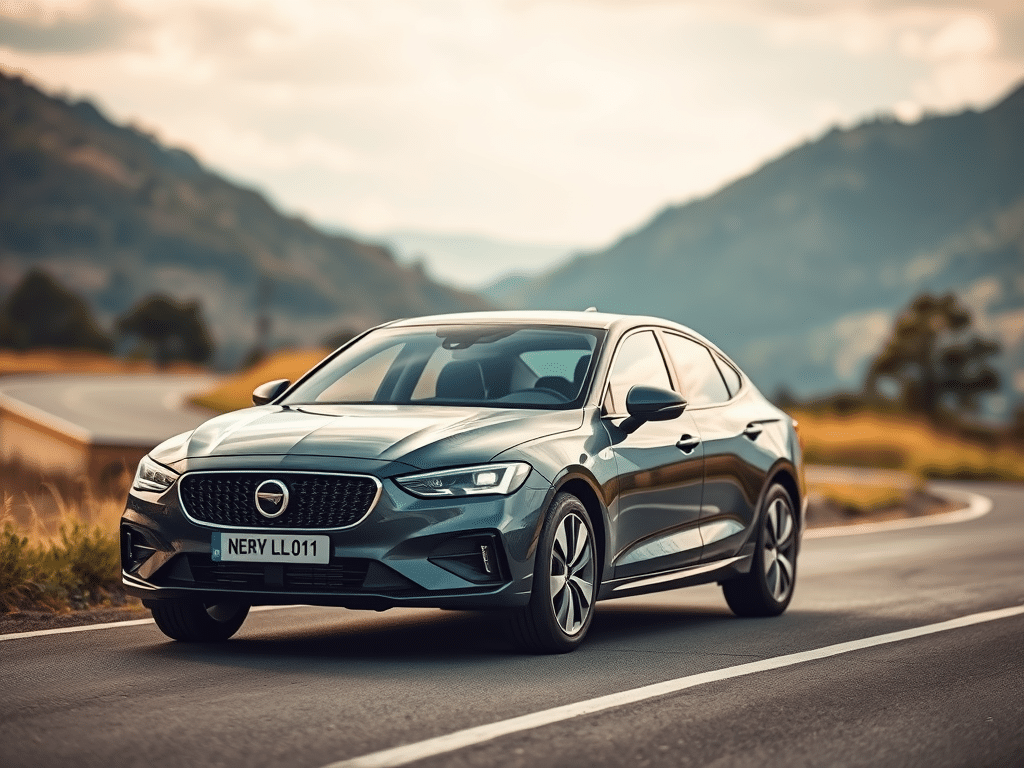
As a new car owner, it can feel like a major transition simply learning how to get comfortable driving on the road and being responsible for your safety behind the wheel. However, you’re responsible for a lot more than that, including the condition of your car and your budget in keeping it running. Cars can be more expensive than you might have assumed, but that doesn’t mean that you simply have to accept the constantly climbing costs that come with them. Here are a few tried and tested tips to help you prevent losing your wallet to your car.

Drive Smart
How you handle your car on the road has a direct impact on how much you have to spend on it. For instance, if you have bad habits like harsh braking, sudden acceleration, and speeding, then not only are you going to strain the parts of your car, such as the engine, but you’re going to be wasting more fuel, as well. If you want to save money, then you should learn to drive more smoothly, such as accelerating gently, coasting to a stop, and staying within speed limits. Anticipating traffic instead of reacting suddenly also reduces the need for unnecessary braking. That way, you’re going to make savings on fuel costs while prolonging the lifespan of parts like your tyres and brake pads.
Learn Some Basic DIY Car Maintenance
When you suspect a problem with your car, it’s best to have the professionals take a look at it. However, this doesn’t mean that there aren’t some car maintenance tasks that you can perform yourself. You can learn how to top up your fluids, such as your oil, coolant, and screen wash, to keep your car functioning and prevent engine wear-and-tear without having to call out the mechanic. Many car owners also learn how to change their own spark plugs, worn-out wiper blades or blown bulbs. If you’re not certain, there are plenty of YouTube tutorials that can give you video directions. These little maintenance tasks can not only help you save money, but they can also help you maintain your vehicle’s condition, reducing the risk of issues developing into more expensive repairs.
Keep Your Tyres In Good Condition
A lot of new drivers underestimate just how much their tyres can add to their running costs if they’re not careful. For one, tyres that are under-inflated lead to rolling resistance, which leads to poor fuel efficiency and faster wear. As such, you should check your tyre pressure every few weeks and before long trips. Rotate tyres regularly, as well, to ensure even wear and extend their lifespan. When you’re checking out your tyres, pay attention to their tread depth, as well, as worn tyres can lead to unsafe driving situations, as well as making your car much less efficient, leading to increased fuel costs. Properly maintained tyres improve handling and can save you hundreds annually in replacement costs and fuel.
Get Serviced At A Trusted Garage
You might think that you’re saving money by not servicing your car, but in the long run, you’re likely only adding to your costs through expensive repairs down the line. Finding the best garage near you for regular servicing helps keep your car in its peak condition and makes you much more likely ot catch problems early. Failure to do so can lead to costly breakdowns and major problems. A trusted mechanic will ensure oil, filters, and other critical parts are changed at the right intervals, which maintains efficiency and prolongs engine life. Do not wait until your MOT before you get your car taken care of. Finding a good garage will save you money not only through proactive care but through good advice to help you be a better car owner, as well.

Cleanliness Is Cost-Effectiveness
You might think that cleaning your car is mostly an aesthetic task, but it can actually end up helping you save money, as well. Dirt and grime can cause your paintwork to wear down more quickly, which can eventually lead ot rust, most prevalently around the wheel arches and undercarriage. Keeping your car clean not only helps it maintain its resale value but can prevent corrosion that might otherwise need costly repairs to fix. Washing the car yourself saves money and lets you inspect for scratches or damage early, and you should think about investing in protective wax as well as parking in shaded areas to better preserve that paint.
Watch Your Weight
If you want to keep your car efficient and cost-effective, then you should also aim to keep it light and free of clutter. Every extra kilogram in your car increases fuel consumption, as the heavier the car is, the more energy it requires to move. This is especially true when you’re driving over long distances. It’s easy to get into the habit of treating your car as mobile, convenient storage, but if you have other places to keep your gear when you’re not using it, you should. This also includes removing roof boxes or bike racks when they’re not in use. External accessories not only add weight, but they also add drag, which can worsen your MPG.
Be Smart With Your Car Insurance
Insurance is going to be one of your biggest running costs, and as a new driver, you should expect it to cost you a little more than someone who has a more established record of driving safely. In order to start accessing those savings sooner, you should always compare quotes when your policy term is up instead of simply letting it auto-renew. There are ways that you can drive insurance costs down, as well, by proactive offering proof that you are a safe driver. For instance, black box policies use telematics to track your driving habits over time, which can end up reducing your insurance payments.
Cars come with costs. There’s no way to prevent that entirely. However, with the tips above, you can at least make sure that yours isn’t costing you any more than it needs to.
Discover more from The Cameron Journal
Subscribe to get the latest posts sent to your email.