
Key Takeaways
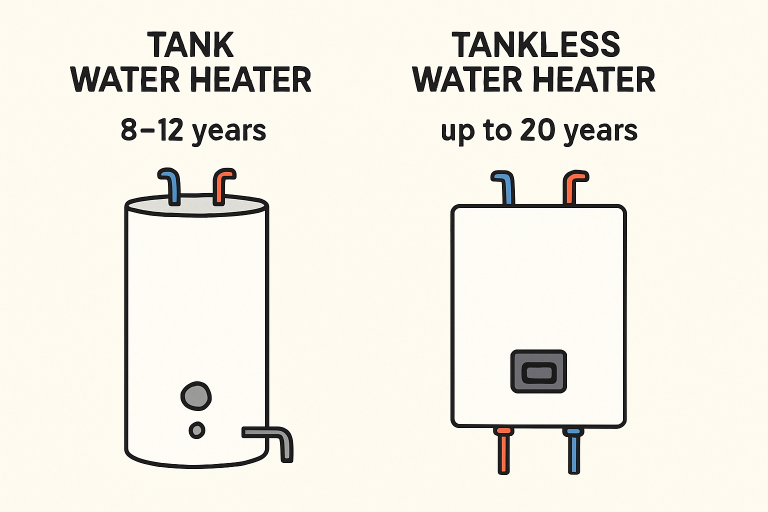
- Traditional tank water heaters last 8 to 12 years, while tankless units can last up to 20 years with maintenance.
- Warning signs that it is time for a new water heater include erratic water temperatures, unusual noises, rusty or smelly water, and signs of leaks or corrosion.
- Annual maintenance and prompt repairs can extend a water heater’s lifespan, but all heaters will eventually need to be replaced.
Water heaters are among the most relied-upon appliances in modern homes, ensuring hot water for showers, laundry, dishwashing, and more. With such a pivotal role in daily life, knowing how long you can expect your unit to last and recognizing the warning signs of an impending failure are vital for homeowners. If you live in metro Atlanta and need expert help, water heater installation and service in Atlanta GA is available to keep your home’s hot water supply safe and consistent.
Like any significant mechanical system in your house, your water heater has a finite useful life. Its efficiency, cost of operation, and reliability can all decline as it ages. Replacing your water heater at the right time helps prevent disruptions, water damage, and unnecessary energy expenses.
Understanding Water Heater Lifespans
There are two main types of water heaters: the conventional tank style and the tankless on-demand models. Most tank water heaters have a lifespan of 8 to 12 years. Tankless water heaters are more durable, potentially delivering reliable service for nearly 20 years if maintained properly. Maintenance, water quality in your area, and usage habits all play a role in determining exactly how long your water heater will last.
Factors like hard water, which contains excess minerals, can shorten the life of a heater due to sediment buildup. Heavy use, lack of flushing, or infrequent servicing accelerates wear on both tank and tankless types. Understanding these influences helps you make better decisions about maintenance and eventual replacement.
Regular inspections, combined with timely service, can help spot problems early, avoiding breakdowns and prolonging the life of your water heater. For an in-depth guide on choosing and caring for water heaters, the Consumer Reports Water Heater Buying Guide is a valuable resource.
Signs It’s Time to Replace Your Water Heater
Being aware of the symptoms of a failing water heater can save you from cold showers and costly repairs. Here are some leading indicators that your unit may be on its way out:
1. Inconsistent or Lukewarm Water
Does your hot water turn cold more quickly than it used to, or do you notice wild swings in temperature? These issues usually point to a declining heating element, excessive sediment inside the tank, or loss of efficiency in a tankless system. Either scenario often signals that replacement is more cost-effective than repair as a unit ages.
2. Strange Noises
Popping, rumbling, or banging noises coming from your water heater often result from a thick layer of sediment that has formed at the bottom of the tank. This makes the heater work harder, and increases wear, leading to efficiency losses and eventually tank failure if not addressed.
3. Discolored or Foul-Smelling Water
If your hot water appears rusty or muddy, or emits a metallic taste or unpleasant odor, this indicates corrosion inside the tank or a bacterial buildup. Both problems are difficult to fix long-term and typically require replacing the unit, especially after standard flushing or maintenance does not resolve the issue.
4. Visible Corrosion and Leaks
Physical deterioration, such as rusty spots, corrosion, or visible leaks around the tank or its fittings are clear warning. Water collecting at the unit’s base, even if only occasionally, strongly suggests the tank’s integrity is compromised, and a replacement is imminent.
Maintenance Tips to Extend Water Heater Lifespan
Caring for your water heater can add years to its service life and help avoid emergency replacements:
- Flush the tank at least once a year to minimize sediment buildup.
- Every few years, inspect and, if needed, replace the anode rod inside the tank—it helps prevent internal rusting.
- Watch for pools of water, rust, or corrosion on and around your unit.
- Ensure your thermostat is set appropriately, typically at 120 degrees Fahrenheit, to reduce excess strain.
While maintenance helps, no water heater lasts forever.
Considering Energy-Efficient Upgrades
When it is time for a replacement, upgrading to a modern, efficient water heater delivers multiple benefits. High-efficiency tank heaters, heat pump models, and tankless systems save on energy bills and reduce environmental impact. Many energy-efficient models qualify for federal tax credits and local rebates, adding to your long-term savings. You can explore efficiency ratings and qualifying models on the ENERGY STAR Water Heaters page.
Conclusion
Staying proactive about replacing an aging water heater means fewer disruptions, lower bills, and peace of mind. By knowing the typical lifespan of your unit and watching for tell-tale symptoms of decline, you avoid emergencies and benefit from the comfort of efficient, reliable hot water. Consider energy-efficient upgrades for your replacement to enjoy savings and improved performance for years to come.
Discover more from The Cameron Journal
Subscribe to get the latest posts sent to your email.




