
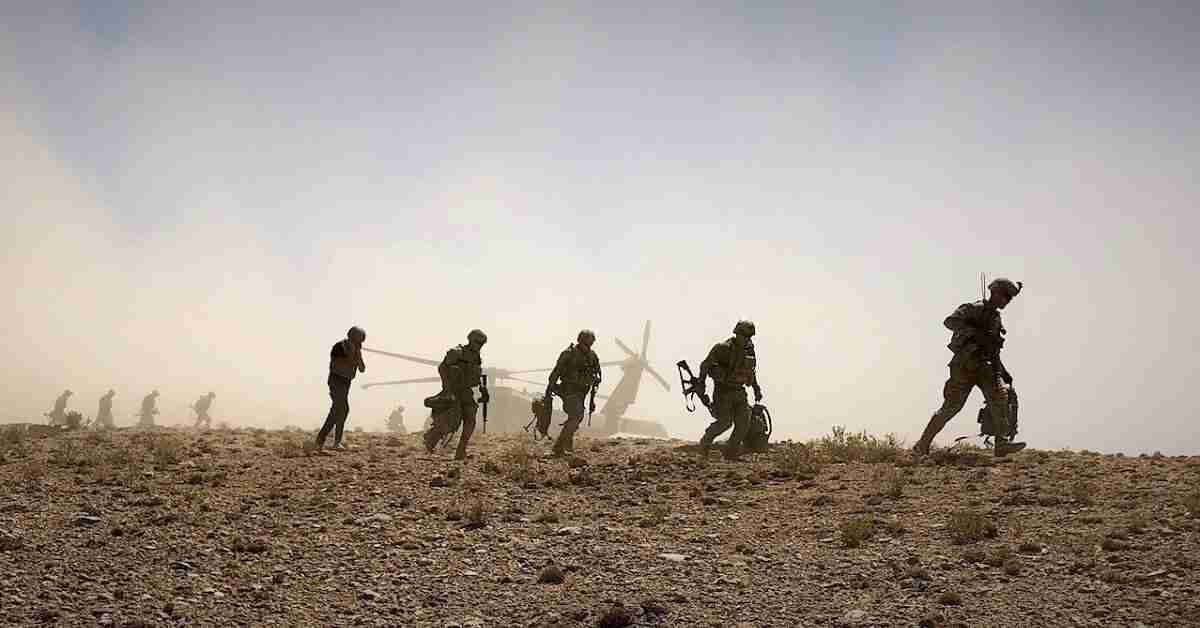
The Army decided to celebrate memorial day by asking people how serving the military has affected them. The backlash was pretty bad honestly. Stories of pain, PTSD, death, war crimes, and a general malaise flooded in. One man even reported owing money on
The Army thanked everyone for the stories and wished everyone well when dealing with the effects of War.
The Human Cost
It is easy to talk about the civilian cost of
It Has Always Been This Way
There has been little aftercare for troops returning from war. It has been different in the past but never what was really required. Troops in Vietnam were sent to resort towns in South Vietnam for R&R with alcohol, prostitutes and sunshine to recover from the horrors of that war. WWII was so intense and the difficulty of transport such that unless the injury was severe, troops kept fighting until the war was over. WWI was fought in a similar fashion. During the Civil War, troops simply deserted. However, there was almost no care for anyone after the war was over. Those who suffered from shell shock after WWI were told to man-up and get a job. WWII followed a similar pattern. Efforts were made to get men education and encourage them to get married, get a job and move on with life. Much of the post-war economy was geared towards this singular aim. After Vietnam, the nation was divided and broken and many troops were abused by the public. Terrible terms like “baby killer” were thrown around casually. The troops didn’t even have a good economy to return home to in the early 1970s. The post-war boom was over and efforts were being made to avoid the stagflation that would grip the economy as the decade wore on. Combine that with the oil shocks and many soldiers returned home to a hostile country and little opportunity. Mental health services were almost non-existent. In the various operations of the 1980s and 1990s, the wars were limited in scope and successful leaving many men and women on their own afterwards.
The recovery from this war has been different. Mental Health services are finally being created and organizations to help warriors have been founded. However, this is something that should be handled by We the People, not just helpful charities who have a heart.
Discover more from The Cameron Journal
Subscribe to get the latest posts sent to your email.


