Key Takeaways
- Short-term loans are designed for rapid financial relief during unexpected crises.
- Multiple options are available, catering to different needs and credit profiles.
- Borrowers should carefully review the terms to avoid pitfalls such as high interest rates and debt cycles.
- Alternative emergency funding routes may offer lower costs and fewer risks compared to some fast loans.
Financial emergencies are rarely predictable and often disrupt our lives when we are least prepared. When an unexpected expense arises—whether it’s a medical bill, an emergency repair, or a gap in employment—many people need immediate financial assistance. Fast access to short-term loans, such as those offered by MaxLend, provides a critical solution for bridging these urgent cash flow gaps.
Quick lending can be a lifesaver, offering expedited approvals and disbursements when time is a vital factor. For those who may not have substantial savings or an emergency fund, short-term loans help restore stability in the face of sudden expenses. As such, understanding both the benefits and risks of short-term borrowing is essential for making informed financial decisions that promote long-term well-being.
Understanding Short-Term Loans
Short-term loans encompass a variety of lending products that deliver quick cash—often within 24 hours—intended for repayment over a period of several weeks to a few months. Some common forms include payday loans, small-dollar personal loans, and revolving credit lines. These products are often geared toward consumers who need money quickly due to unexpected situations but do not seek or qualify for a traditional bank loan.
Unlike standard loans, short-term loans tend to prioritize speed and convenience over lower interest rates, using simplified application and qualification processes. Many lenders, especially online providers, rely on technology-driven automated underwriting to approve applicants and transfer funds in record time.
Benefits of Quick Access to Funds
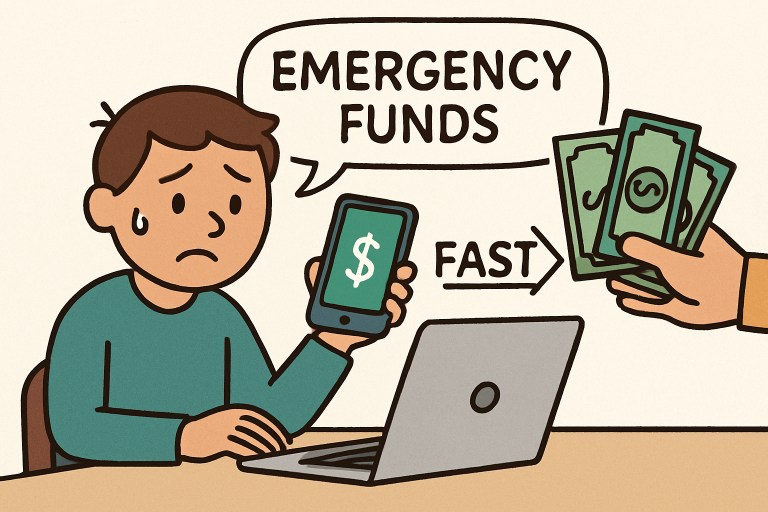
The convenience of obtaining funds quickly is a significant advantage for individuals facing financial emergencies. Traditional banks may take several days to review and process a personal loan application, but online and direct lenders can often provide same-day or next-day approvals. This immediacy is invaluable when dealing with time-sensitive expenses, such as urgent medical treatments or car repairs necessary for commuting to work.
Another benefit is flexibility. Many short-term lenders approve borrowers with diverse credit histories, making these solutions accessible to individuals who may not meet the stringent requirements of mainstream banks. For example, companies like MaxLend cater to a diverse set of customers, expediting the relief process for people in immediate need.
Common Uses for Short-Term Loans
Short-term loans are most often used to cover unplanned yet necessary expenses that cannot be postponed until the next paycheck. Typical scenarios include:
- Emergency medical bills or prescription costs not covered by insurance.
- Urgent car or home repairs that, if delayed, could impede daily responsibilities or threaten safety.
- Utility bills or rent payments to prevent service interruptions or eviction.
- Unanticipated travel, such as last-minute flights for family emergencies.
According to a Pew Charitable Trusts study, many Americans rely on short-term lending to address critical cash shortfalls rather than discretionary spending, highlighting the necessary support this resource provides in times of need.
Risks and Considerations
With all their benefits, short-term loans come with inherent risks. Most notably, they often feature higher interest rates and origination fees compared to traditional loans, raising the total cost of borrowing. For payday loans, annual percentage rates (APRs) can reach triple digits, trapping borrowers in a cycle of debt if they cannot repay the loan in full by the due date.
- High-interest costs: Even small loans can accrue substantial interest if rolled over multiple times, compounding financial strain rather than easing it.
- No or minimal credit checks: Though this increases accessibility, it often signals heightened fees or more aggressive collections if the borrower is unable to repay.
- Credit impact: Late or missed payments may damage an individual’s credit score, complicating future borrowing opportunities.
It is essential to thoroughly review all loan agreements, paying close attention to repayment terms, fees, and penalties, to ensure the borrowed funds are worth the additional cost and risk.
Alternative Solutions
Before committing to a short-term loan, consider exploring alternative emergency funding sources:
- Emergency savings: Drawing from a personal emergency fund is the lowest-risk way to cover sudden expenses.
- Payment plans: Many creditors, including hospitals and utility providers, allow for flexible payment arrangements if you explain your circumstances ahead of time.
- Community support: Local charities, non-profits, or religious organizations sometimes offer emergency financial assistance for rent, utilities, or essentials.
- Family and friends: Although not always an option, a short-term loan from a trusted individual may come with fewer high costs or credit risks compared to commercial lending.
Conclusion
Fast access to short-term loans can provide critical relief during unexpected financial emergencies, helping individuals manage urgent expenses without severe disruption. When used responsibly, these loans offer a quick bridge through challenging situations such as medical bills, car repairs, or temporary income gaps. However, the true benefit depends on informed borrowing. Understanding repayment terms, interest rates, and total costs is essential before committing. Borrowers should also evaluate alternative options, such as savings, payment plans, or assistance programs, to minimize reliance on debt. By approaching short-term lending with careful research and precise planning, individuals can secure immediate stability while protecting their long-term financial health and avoiding cycles of escalating financial pressure.
Discover more from The Cameron Journal
Subscribe to get the latest posts sent to your email.